It plays a key ecological role by controlling sponge growth, sequesters toxins for defense, and serves as an accessible bioindicator of healthy reef habitats.

This comprehensive guide covers its morphology, diet, behaviors, identification tips, Koh Tao dive sites, environmental needs, vulnerability profile, and conservation training through Black Turtle Conservation—perfect for divers, photographers, and marine enthusiasts seeking reliable, in-depth information on one of Thailand’s most photogenic nudibranchs.

Common Names: Polka-Dot Nudibranch, Dotted Nudibranch, Panda Nudibranch, Funeral Nudibranch, Oreo Nudibranch

Family: Discodorididae Order: Nudibranchia

Learn About Jorunna funebris

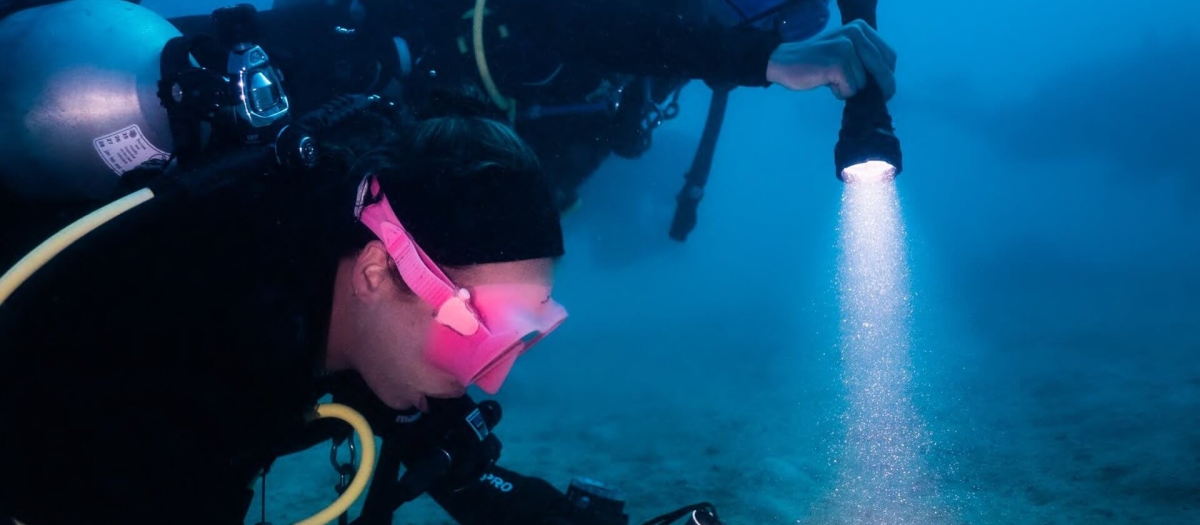
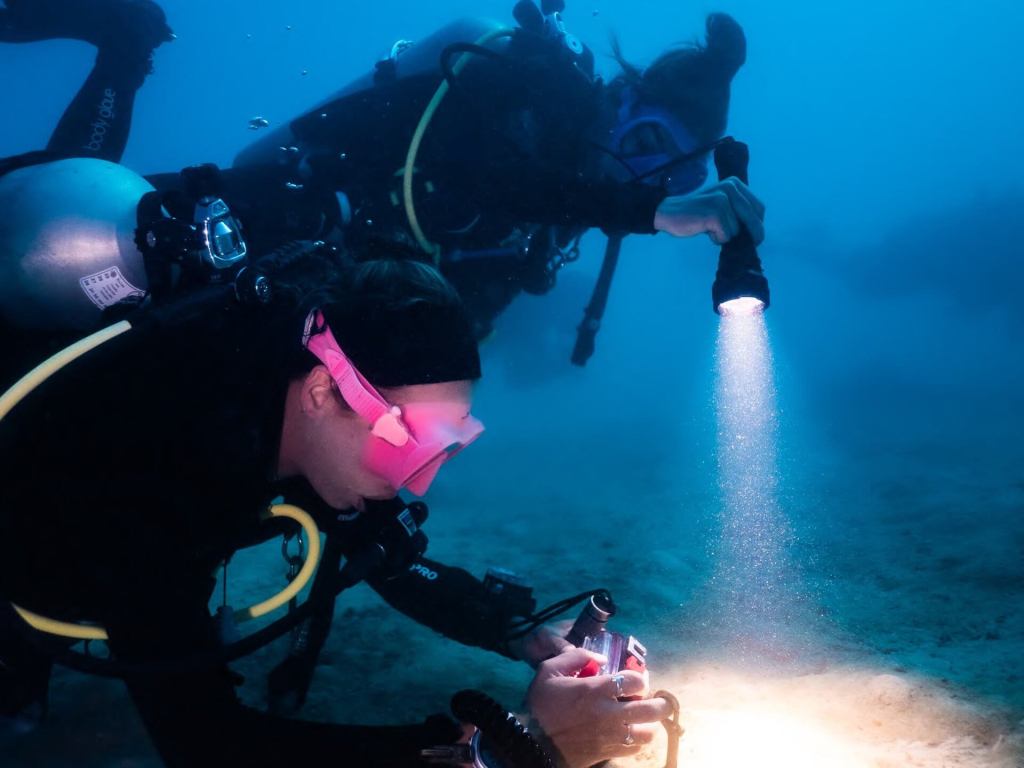
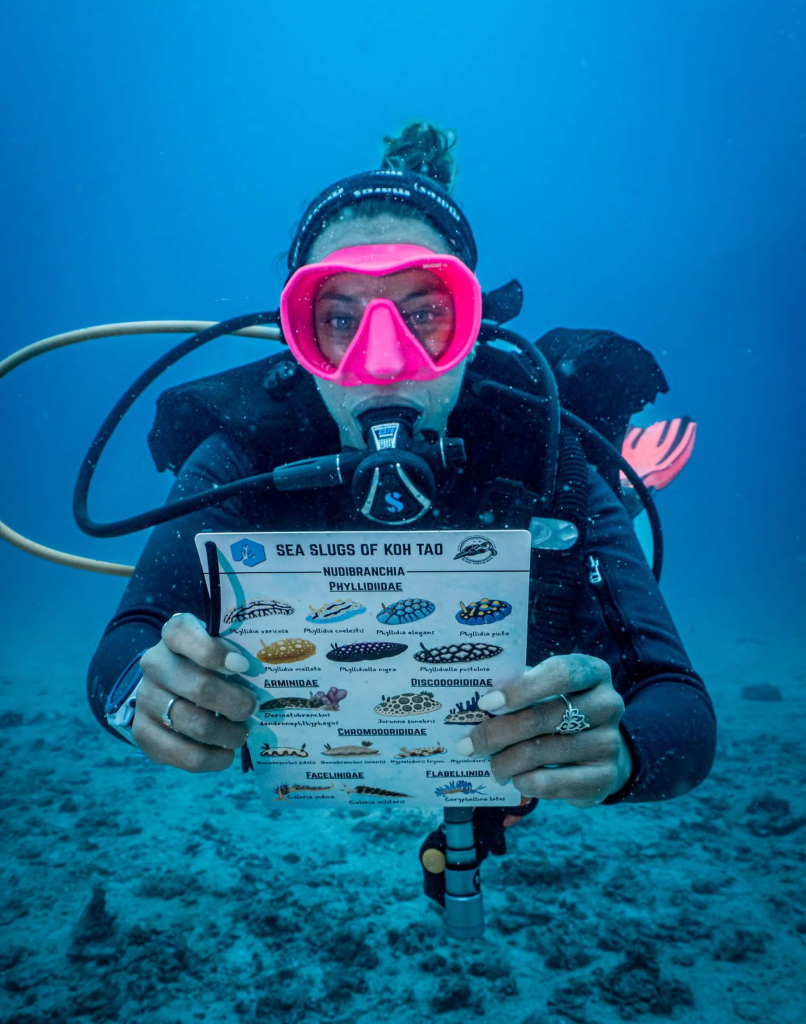
Conservation divers performing underwater research and sea slug identification training in Koh Tao, Thailand.
Community sea slug and nudibranch survey dive in Koh Tao, documenting marine biodiversity through citizen science participation.
Sea slug and nudibranch research surveys in Koh Tao, documenting marine biodiversity through underwater species monitoring dives.
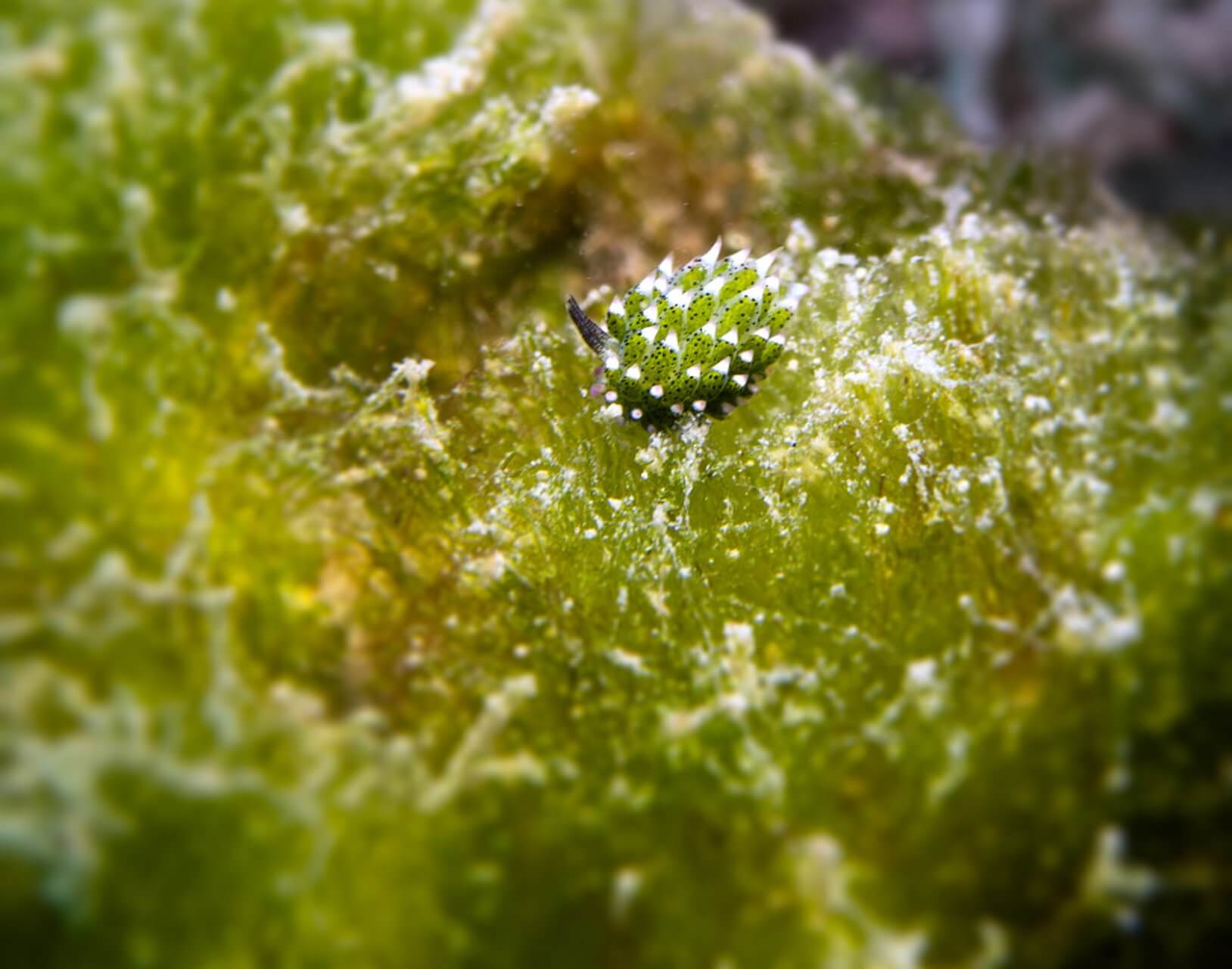
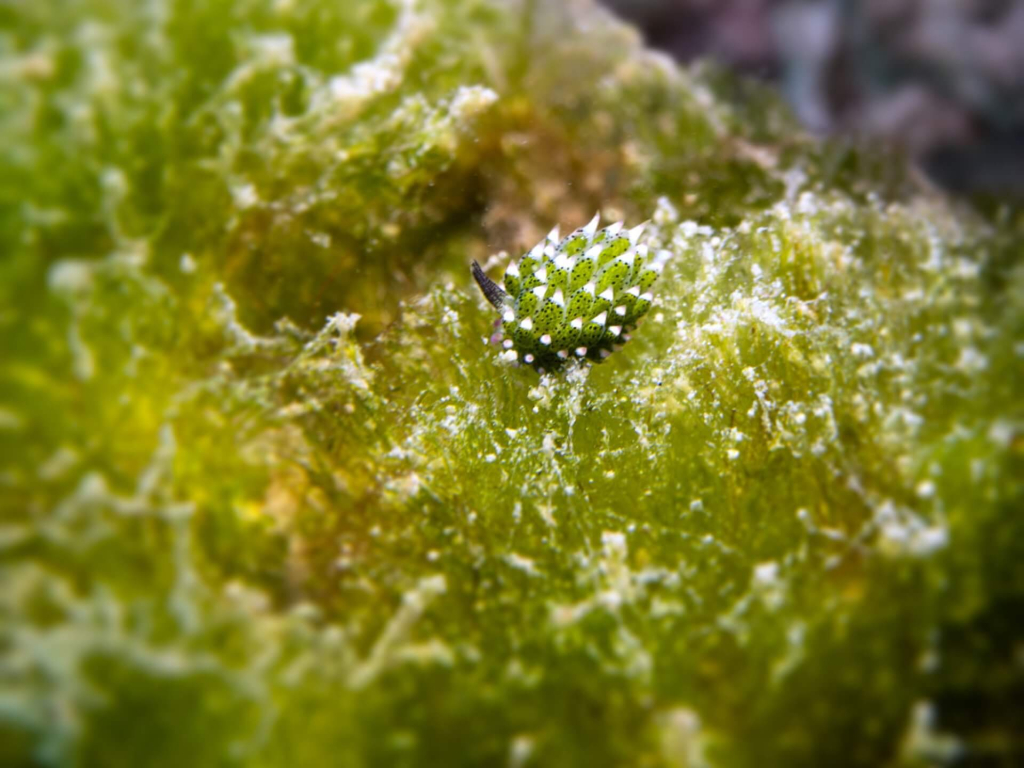
Close-up photo of a nudibranch taken during the Nudibranch & Sea Slug Ecology course at Black Turtle Conservation, Koh Tao.
Divers conducting sea slug monitoring surveys to study species diversity and distribution around Koh Tao.

Overview of the Species

Jorunna funebris, affectionately known as the Polka-Dot Nudibranch, ranks among the most charming and frequently photographed sea slugs around Koh Tao, Thailand.

This dorid nudibranch belongs to the diverse group of shell-less marine gastropods renowned for their vivid colors, intricate patterns, and fascinating behaviors.

With its striking white body adorned by bold black spots, it captures the imagination of divers and macro photographers alike, serving as a gateway species for understanding the rich nudibranch biodiversity of the Gulf of Thailand.

Size and Appearance Highlights

Size varies with age and nutrition; juveniles start small (under 10 mm) with fewer, less defined spots, while mature adults typically reach up to 70 mm however exceptional specimens have been recorded much larger.

We have observed several specimens over 100mm including the largest specimen we have observed at Mango Bay in 2025 that measured 170mm. The caryophyllidia density gives the animal a plush look, sometimes compared to a stuffed toy.

Its body is covered in tiny structures called caryophyllidia—raised, spicule-bearing papillae—that give the animal a fuzzy or bristly texture.

Daily Behaviors and Activity Patterns

This species is diurnal and relatively bold, often crawling openly across substrates in full view of observers. As simultaneous hermaphrodites, individuals engage in elaborate mating rituals where they align side-by-side to exchange sperm before depositing spiral egg ribbons on suitable surfaces. The planktonic larvae then drift in ocean currents, eventually settling onto sponges where they metamorphose into juveniles.

Role in Koh Tao Marine Life

In Koh Tao’s vibrant reefs, J. funebris behaves as a deliberate grazer, moving slowly yet purposefully while sampling its environment with prominent rhinophores. It frequently pauses to feed on encrusting sponges, retracting slightly when disturbed but rarely fleeing rapidly.

This slow, exposed lifestyle highlights its chemical defenses, which deter most predators. Divers often encounter solitary individuals or small groups near sponge patches, where the nudibranch’s gentle movements and photogenic appearance make it a favorite subject for underwater documentation and citizen-science recording.

Its presence contributes to the island’s reputation as a macro-diving paradise, with over 191 nudibranch species documented in local waters.

Key Behavioral Adaptations

The behaviors of J. funebris reflect remarkable adaptations to reef life. It uses its muscular foot for smooth gliding, extending sensory rhinophores to detect chemical cues from potential food sources or mates.

When threatened, it may curl slightly or rely on distasteful secretions derived from its diet. Mating pairs display coordinated circling before copulation, showcasing the species’ reproductive flexibility.

These traits, combined with its conspicuous patterning, make J. funebris an excellent ambassador for nudibranch ecology and an ideal entry point for marine conservation education around Koh Tao.

Jorunna funebris Morphology

Conservation divers performing underwater research and sea slug identification training in Koh Tao, Thailand.

Body Shape and Texture

The morphology of Jorunna funebris is both distinctive and endearing. The body is broadly oval and somewhat flattened, with a soft, fleshy texture. Its base coloration is creamy white to pale gray, densely covered by numerous black or dark brown circular spots of varying sizes.

These polka dots are not flat markings but clusters of tiny raised black bristles formed by caryophyllidia—specialized papillae containing calcareous spicules that create the velvety, fuzzy appearance across the entire dorsum.

Sensory and Respiratory Structures

At the posterior end, a prominent circle of feathery, bipectinate gills emerges, typically white with black tips or edging, providing surface area for gas exchange.

The rhinophores—paired sensory tentacles on the head—are club-shaped, retractable, and often tipped in black, featuring numerous lamellae for enhanced chemosensory detection.

The mantle margin is smooth but may show subtle undulations, while the foot is broad and pale, allowing secure attachment to irregular surfaces.

Size Variations and Defensive Features

Size varies with age and nutrition; juveniles start small (under 10 mm) with fewer, less defined spots, while mature adults reach up to 70 mm. The caryophyllidia density gives the animal a plush look, sometimes compared to a stuffed toy.

When viewed from above during a dive, the contrast between the bright white background and dark spots creates a high-visibility pattern that functions as both camouflage against speckled substrates and potential aposematic signaling.

This robust yet flexible morphology supports efficient movement over complex reef structures. The fuzzy texture may help deter small predators or aid in subtle camouflage among sponge textures.

Rhinophores and gills are retractable into pockets when the animal feels threatened, protecting vulnerable sensory and respiratory structures. Overall, the Polka-Dot Nudibranch’s form perfectly suits its lifestyle as a specialized sponge grazer in shallow tropical waters.

Jorunna funebris Diet and Feeding Strategy

Conservation divers performing underwater research and sea slug identification training in Koh Tao, Thailand.
Community sea slug and nudibranch survey dive in Koh Tao, documenting marine biodiversity through citizen science participation.
Sea slug and nudibranch research surveys in Koh Tao, documenting marine biodiversity through underwater species monitoring dives.

Primary Food Sources

Jorunna funebris is a specialized carnivore with a narrow diet focused almost exclusively on sponges, particularly species in the genus Xestospongia and blue sponges such as Haliclona. It uses its radula—a ribbon-like structure armed with tiny teeth—to scrape and ingest sponge tissue.

Feeding Behavior in Detail

Feeding occurs slowly and methodically: the nudibranch positions itself over a sponge patch, everts its mouthparts, and rasps away surface layers while remaining exposed for extended periods. This feeding strategy serves dual purposes—nutrition and defense.

Chemical Defense Mechanisms

Like many dorid nudibranchs, J. funebris sequesters secondary metabolites and toxins from its sponge prey, incorporating them into its own tissues or mucus secretions. When disturbed, it can release these unpalatable compounds, making it distasteful or mildly toxic to potential predators such as fish.

Behavioral observations show it preferring fresh, healthy sponge colonies and moving between patches rather than overgrazing a single area, which allows sponge regeneration.

Diurnal Activity and Ecological Impact

In Koh Tao, feeding is predominantly diurnal, with individuals actively grazing during daylight hours when visibility aids diver sightings. Juveniles target smaller or softer sponge sections, gradually shifting to larger encrusting forms as they mature.

The species’ dependence on specific sponges ties its distribution closely to sponge abundance, making it a sensitive indicator of local benthic health. Divers frequently observe J. funebris directly on blue or barrel sponges, providing excellent opportunities to witness natural feeding behavior without interference.

This obligate sponge diet underscores the interconnectedness of reef organisms. By controlling sponge growth, the nudibranch helps prevent overgrowth that could smother corals or alter habitat structure, while its selective grazing influences sponge community composition.

Jorunna funebris Substrate Preference

Conservation divers performing underwater research and sea slug identification training in Koh Tao, Thailand.

Jorunna funebris strongly prefers hard, stable substrates where its favored sponges thrive. It is most commonly found on coral rubble, rocky outcrops, encrusting sponge-covered boulders, and reef frameworks rather than soft sediment or open sand.

Why Substrate Matters

The species avoids pure muck dives or deep soft-bottom sites, instead concentrating on fringing reefs, pinnacles, and areas with mixed coral and rock. It often crawls across horizontal or slightly inclined surfaces, pressing its broad foot firmly for stability.

Response to Environmental Conditions

During periods of strong surge—common around exposed dive sites—it may tuck partially under ledges or into crevices while still maintaining access to nearby sponges.

This substrate preference is driven primarily by food availability and protection. Sponge-encrusted rocks in the surge zone provide both nutrition and a textured backdrop that complements the nudibranch’s spotted pattern for subtle camouflage.

Behaviorally, individuals remain relatively stationary while feeding but will glide across rubble zones when relocating to new food sources.

Environmental Conditions

Jorunna funebris thrives in tropical Indo-Pacific coral reef environments with water temperatures typically between 24–30°C and salinity around 33–35 ppt.

Around Koh Tao, it prefers clear to moderately turbid water with visibility ranging from 10–30 meters, depending on season and tides. Moderate currents and surge help deliver oxygenated water and plankton while preventing excessive sedimentation on its food sponges.

Seasonal Patterns

It is most active during the dry season (November–April) when calmer conditions and better visibility prevail, though it remains present year-round. The species tolerates slight environmental variability but benefits from stable, well-lit shallow to mid-depth reefs with abundant sponge cover.

Seasonal monsoons may shift its local distribution toward more sheltered east-coast sites during rougher periods.

Jorunna funebris Ecological Role(s)

Broader Reef Contributions

The species also participates in chemical ecology through toxin sequestration, forming part of broader aposematic networks on the reef. Its conspicuous patterning may educate predators to avoid similarly colored organisms, indirectly benefiting other defended species.

As a mid-trophic level consumer, it links primary producers (sponges) to higher levels, though few predators successfully consume adults due to chemical defenses.

Value as a Bioindicator

In Koh Tao, abundant populations of J. funebris serve as bioindicators of healthy sponge communities and good water quality. Its presence and density provide valuable data for monitoring reef health amid tourism pressures and environmental changes.

Additionally, the nudibranch’s planktonic larval stage aids in connectivity between distant reef patches, supporting genetic diversity across the Gulf of Thailand.

Opportunities for Citizen Science

Behaviorally, its open foraging makes it an accessible link in food webs for researchers and citizen scientists. By documenting feeding events and substrate associations during surveys, divers contribute to understanding trophic dynamics in tropical reefs.

Conservation divers performing underwater research and sea slug identification training in Koh Tao, Thailand.
Community sea slug and nudibranch survey dive in Koh Tao, documenting marine biodiversity through citizen science participation.
Sea slug (Costasiella sp.) photographed during the Sea Slug Ecology course at Black Turtle Conservation, exploring nudibranch identification and behavior in Koh Tao, Thailand.

Jorunna funebris Fun and Interesting Facts

Conservation divers performing underwater research and sea slug identification training in Koh Tao, Thailand.

Texture and Nicknames

One delightful aspect of Jorunna funebris is its fuzzy texture created by caryophyllidia—microscopic structures that not only give a plush appearance but also incorporate sponge spicules for added physical defense.

This velvety look has inspired countless diver nicknames, from Panda Nudibranch to Oreo Nudibranch, reflecting its black-and-white aesthetic.

Reproductive Strategy

As simultaneous hermaphrodites, all individuals can act as both male and female. Mating involves a graceful underwater dance where partners align and exchange sperm packets, after which each lays a delicate spiral egg ribbon containing thousands of embryos.

The resulting veliger larvae swim freely in the plankton, dispersing widely before settling—a strategy that enhances colonization of new sponge habitats.

Chemical Defense and Lifespan

The species demonstrates clear diet-derived chemical defense. By consuming sponges rich in bioactive compounds, it gains protection without manufacturing toxins itself. This sequestration process parallels other nudibranch strategies and highlights evolutionary innovation in marine invertebrates.

Koh Tao Observations

In Koh Tao, J. funebris is famously common and approachable, often allowing close-up photography without fleeing. Its short lifespan—typically weeks to a few months—means populations turn over quickly, making consistent sightings a sign of healthy recruitment. Some individuals host tiny commensal shrimp, adding another layer of miniature reef drama.

Jorunna funebris Vulnerability Profile

Conservation divers performing underwater research and sea slug identification training in Koh Tao, Thailand.

Jorunna funebris currently holds no specific IUCN Red List assessment (status: Not Evaluated), and fishing vulnerability is rated as low. However, like many reef-associated nudibranchs, it faces indirect threats from habitat degradation.

Coral bleaching, sedimentation from coastal development, and pollution can reduce sponge availability, impacting population stability. Heavy tourism and anchoring at popular Koh Tao dive sites may cause physical disturbance to shallow sponge communities.

Its specialized diet makes it sensitive to changes in benthic composition. While not targeted for collection, occasional handling by divers for photography can cause stress. Long-term monitoring through local conservation programs is recommended to track abundance trends as an indicator of reef health.

How to Identify Jorunna funebris

Identifying Jorunna funebris is straightforward due to its bold pattern. Look for a white to pale body densely covered in black circular spots formed by raised caryophyllidia, giving a fuzzy texture.

Confirm with black-tipped rhinophores, a posterior circle of feathery gills with dark edging, and size up to 70 mm. It differs from similar spotted dorids by the specific arrangement of caryophyllidia and lack of other prominent ridges or tubercles.

In the field, note its slow crawling on sponge substrates and the velvety appearance under macro lenses. Juveniles have fewer spots but retain the characteristic texture.

Costasiella kuroshimae, also known as “Shaun the Sheep” sea slug, found during the Sea Slug Ecology course in Koh Tao, Thailand.

Mastering Identification with Black Turtle Conservation

Black Turtle Conservation on Koh Tao offers specialized training to help divers confidently identify Jorunna funebris and other nudibranchs.

Our programs emphasize field recognition of key morphological traits, turning casual sightings into accurate scientific records. Accurate identification of this common species builds foundational skills for spotting rarer critters and supports ongoing biodiversity monitoring efforts around the island.

Our Training Approach: From Theory to Survey

Our training begins in the classroom with lessons on nudibranch anatomy, ecology, and identification techniques specific to Koh Tao species like the Polka-Dot Nudibranch.

Participants then move to in-water practical sessions, practicing non-invasive observation, photography, and data recording during guided surveys.

Emphasis is placed on noting substrate, behavior, and associated sponges. Graduates contribute to real conservation databases, transforming recreational dives into valuable scientific efforts that help protect Koh Tao’s marine biodiversity.

External Link Citations and References

Mehrotra, R. et al. (2021). An updated inventory of sea slugs from Koh Tao, Thailand. ZooKeys / PMC.

Sea Slug Forum: Jorunna funebris facts and observations.

Wikipedia: Jorunna funebris.

Wild Singapore: Polka-dot Nudibranch.

Black Turtle Conservation: Nudibranch & Sea Slug Ecology Course.