Our Marine Conservation Courses at Black Turtle Conservation are designed for ocean lovers who want to go beyond diving — and start making a real difference. Whether you’re new to conservation or already an experienced diver, you’ll gain hands-on skills, scientific knowledge, and internationally recognized certifications while exploring Koh Tao’s stunning coral reefs.
Each of our courses combines engaging classroom sessions with practical underwater experience, guided by expert marine biologists and certified Conservation Diver instructors.
You’ll learn how to identify marine species, monitor reef health, and contribute data to real conservation projects focused on coral restoration, marine debris, and species population studies.
From one-day workshops to multi-week training programs, you can choose the path that fits your goals — and join a global movement of divers protecting the ocean through science and action.
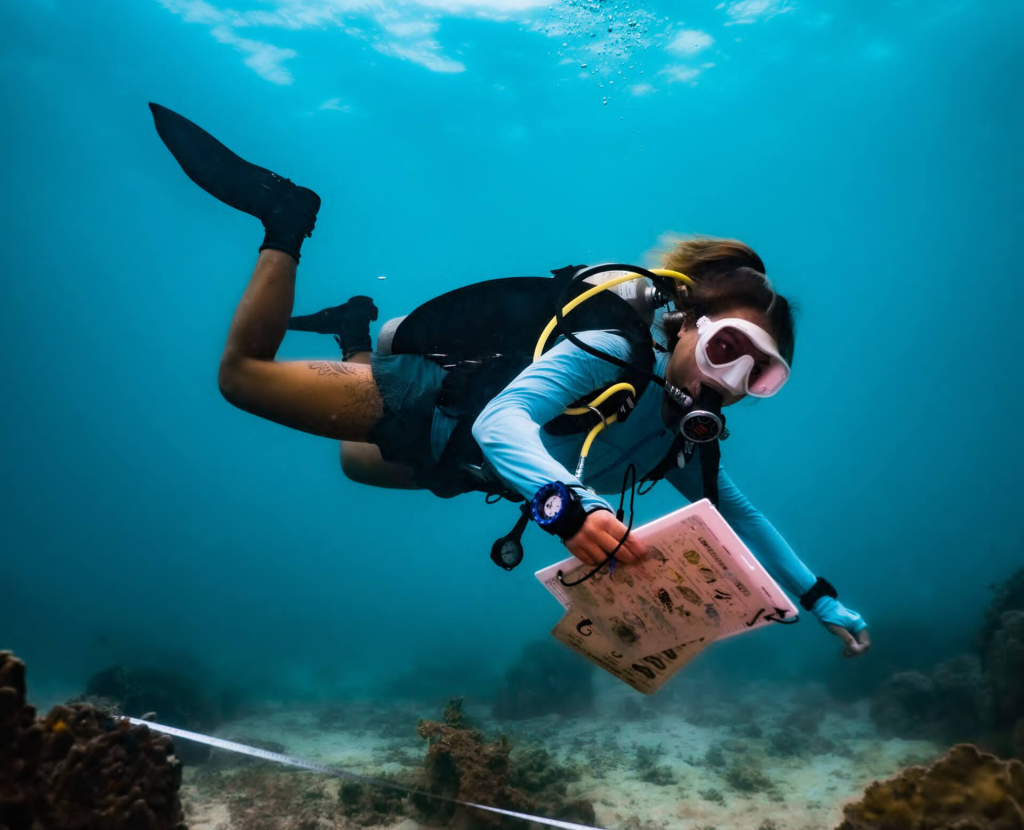
ECOLOGICAL MONITORING PROGRAM
Prerequisites: AOW
The Ecological Monitoring Program (EMP) introduces reef survey methods and scientific diving techniques. You’ll learn to assess fish, invertebrates, substrate, and coral health, and report your findings to an international database.
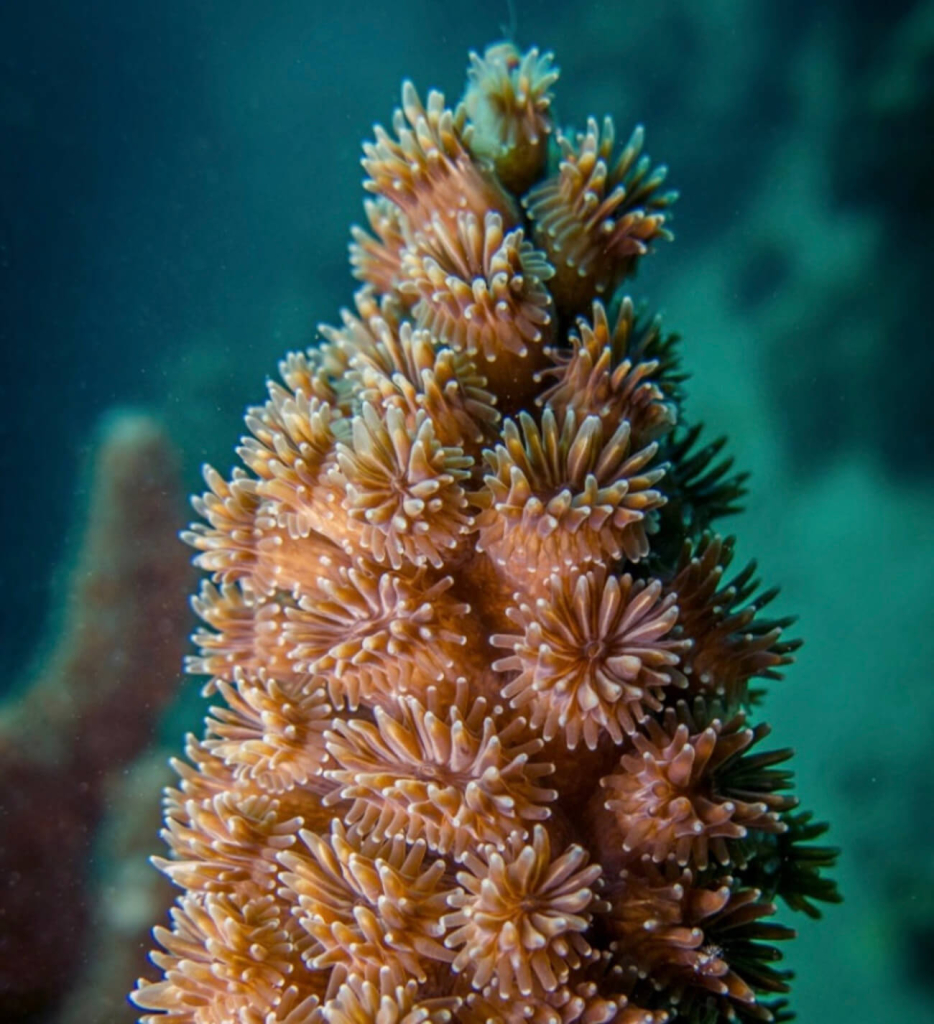
Coral Taxonomy & Identification
Prerequisites: AOW + EMP
Learn to identify coral species based on skeletal and anatomical characteristics, both on land and underwater.
This course builds essential skills for research, restoration, and monitoring projects.
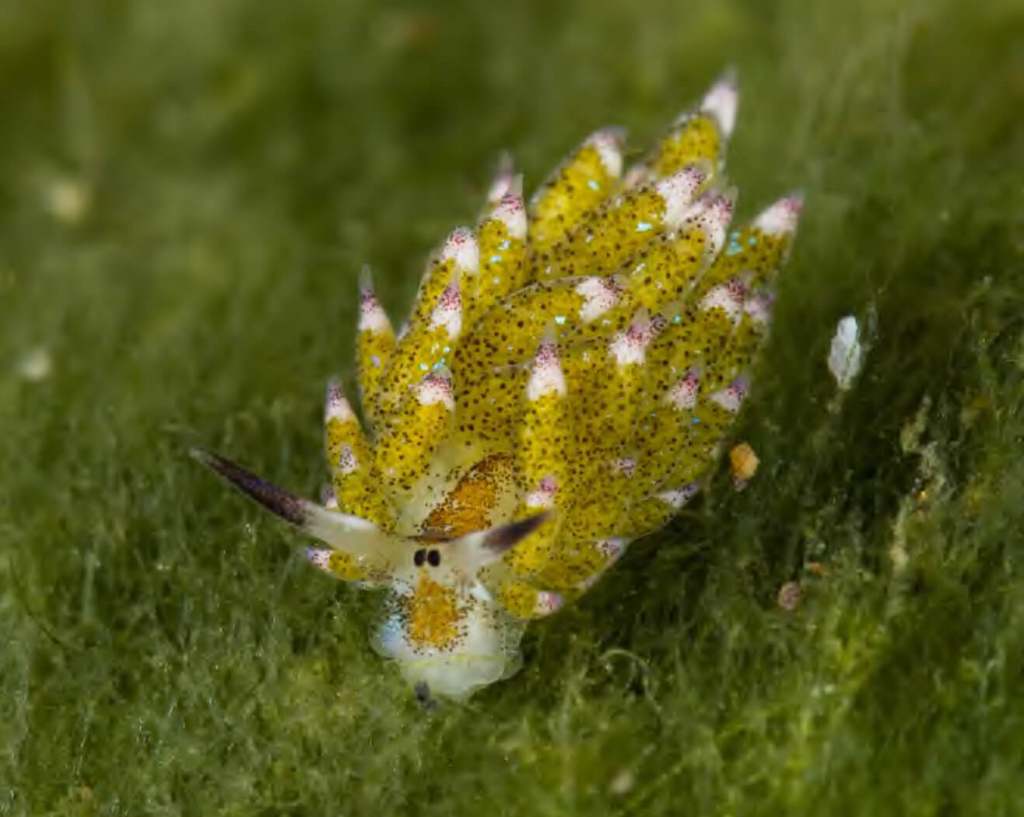
NUDIBRANCH & SEA SLUG ECOLOGY
Prerequisites: AOW + EMP
Dive into the world of nudibranchs and sea slugs, key indicators of reef biodiversity and water quality. You’ll explore their taxonomy and ecology while participating in an ongoing research project at Black Turtle Conservation.

CORAL RESTORATION THEORY & TECHNIQUES
Prerequisites: AOW + EMP
Explore the science behind coral restoration.
You'll learn about restoration strategies, site selection, coral health assessment, and attachment methods.
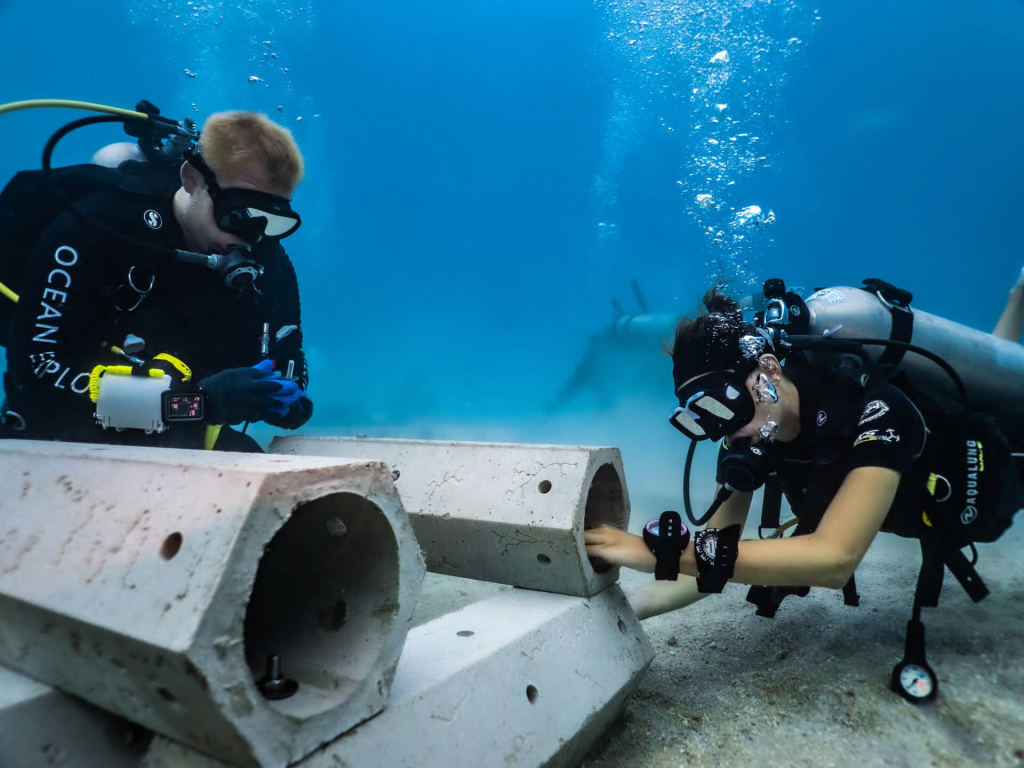
ARTIFICIAL REEF THEORY & TECHNIQUES
Prerequisites: AOW + EMP + Coral Restoration
Artificial reefs help restore damaged habitats and provide alternative dive sites. You’ll explore the science behind their design and even create your own reef project as a classroom exercise.

CORAL PREDATORS: POPULATION MANAGEMENT & MONITORING
Prerequisites: AOW + EMP
Identify and monitor coral predators such as crown-of-thorns starfish and Drupella snails, and understand their impact on reef health.
This course teaches practical techniques for population control and long-term reef protection.

ADVANCED CORAL TAXONOMY
Prerequisites: AOW + EMP + Coral Taxonomy
Expand your coral identification skills by learning to recognize more challenging and rare genera.
This course deepens your knowledge of skeletal and anatomical traits, strengthening your abilities for advanced research and monitoring.
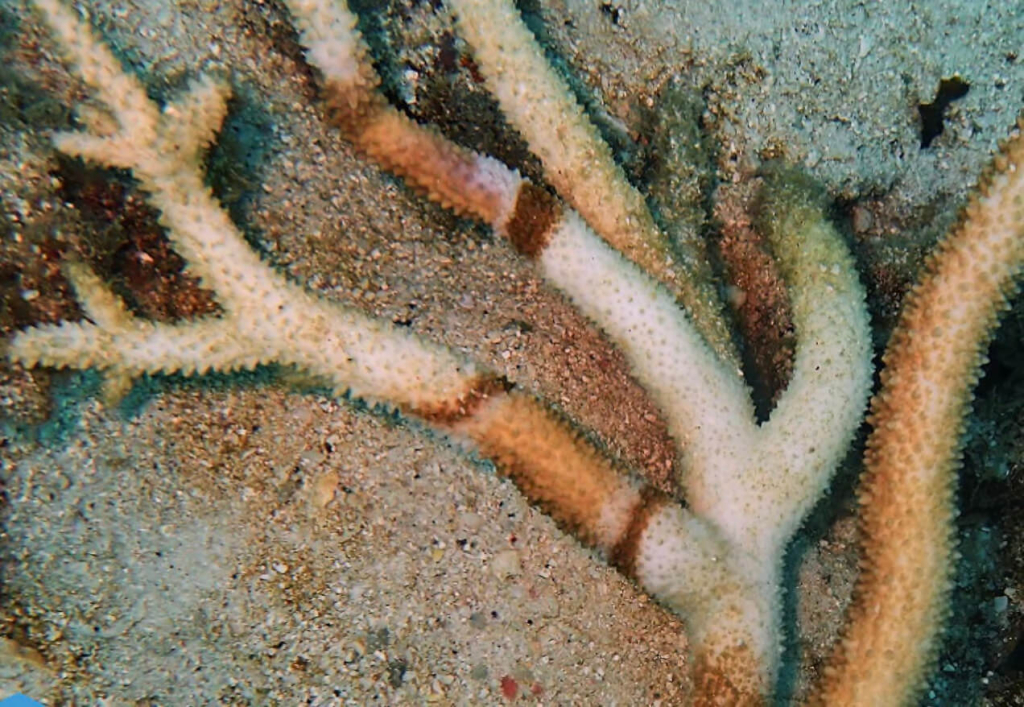
CORAL DISEASES & COMPROMISED HEALTH
Prerequisites: AOW + EMP + Coral Taxonomy
Discover how to identify and record common coral diseases and signs of stress in reef ecosystems.
This course equips you with the skills to assess reef health and contribute valuable data to monitoring efforts.
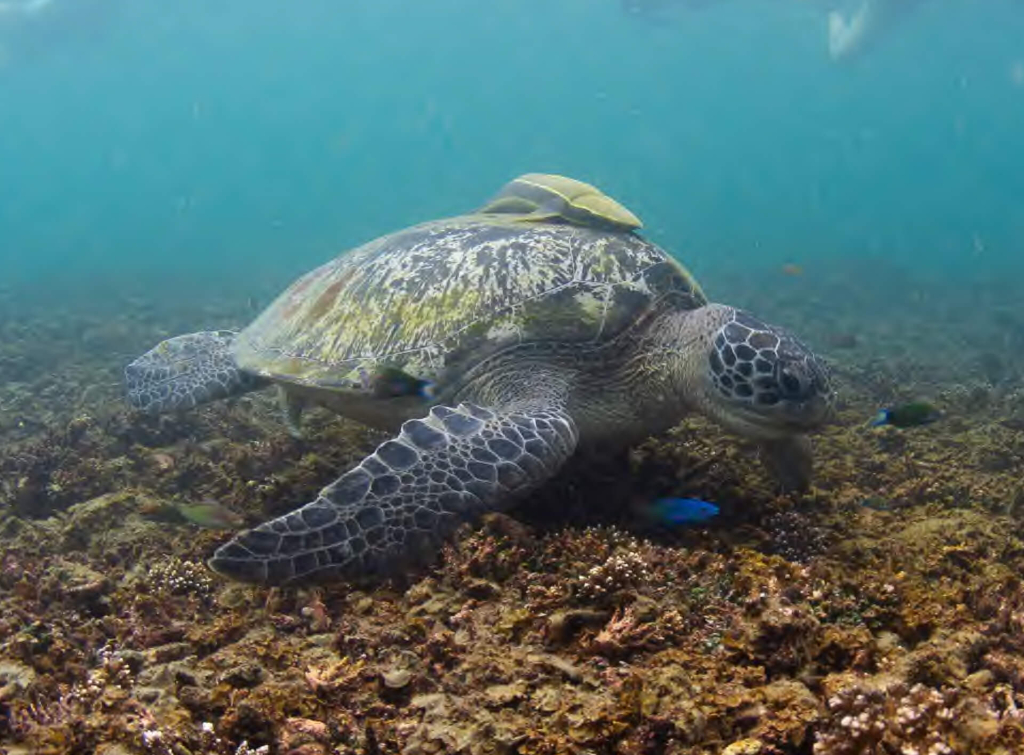
ADVANCED EMP
Prerequisites: AOW + EMP + Coral Taxonomy + Coral Disease + 3 Monitoring Courses
Gain experience using additional monitoring techniques, including quadrants, transects, and advanced survey methods. This course enhances your ability to collect accurate data and analyze long-term changes in reef ecosystems.

SEA TURTLE ECOLOGY & MONITORING
Learn about the ecology, behavior and threats facing sea turtles, all of which are endangered. Develop skills in turtle ID and data collection, allowing you to contribute to real conservation initiatives by recording sightings to support ongoing monitoring efforts in Koh Tao and internationally.
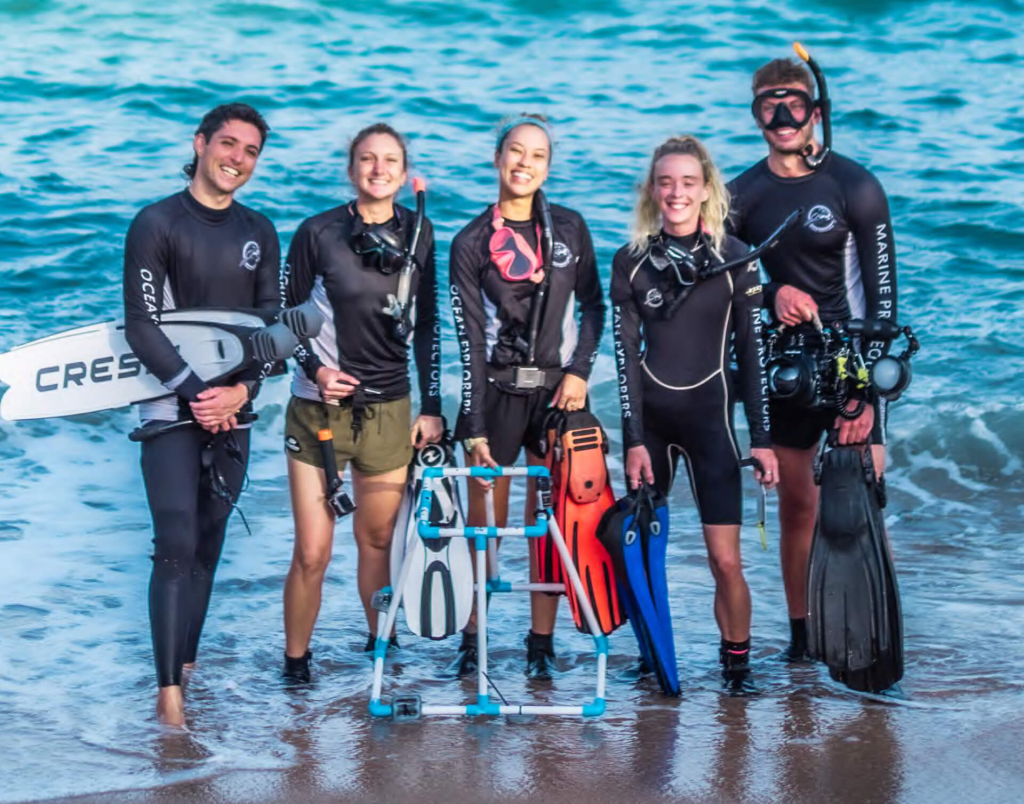
SHARK ECOLOGY & POPULATION STUDIES
Sharks play a crucial role as apex predators, yet many species are now critically endangered. Explore their evolution, anatomy, and ecological role. Learn population monitoring techniques and how to contribute to local and global shark databases to aid conservation efforts.
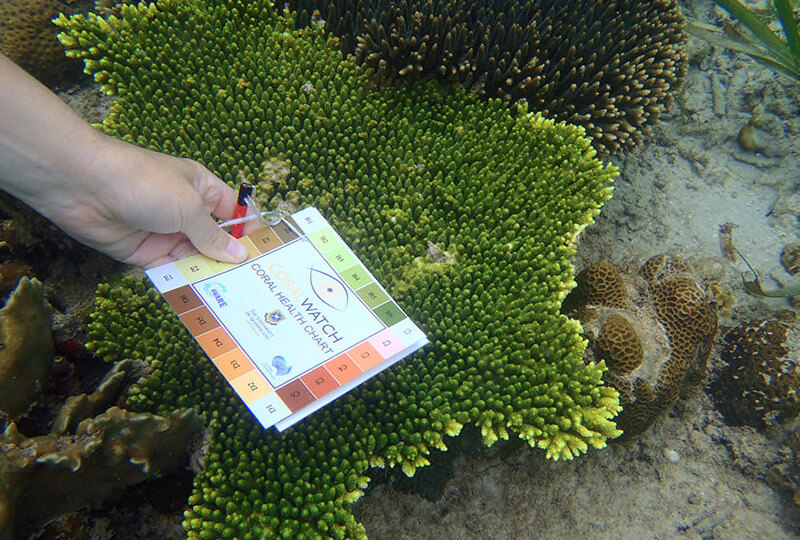
CORAL WATCH SPECIALITY
Learn how to assess coral health and contribute to a global monitoring effort using a powerful method developed by CoralWatch and supported by PADI AWARE. Gain insight into coral biology, bleaching, and climate change, while participating in real reef surveys.

PLASTIC POLLUTION: MONITORING & ASSESSMENT
Learn about the scale and impact of plastic pollution in the ocean. Gain hands-on experience monitoring microplastics and help protect reef ecosystems by removing macroplastics.

LEARNING PATHWAY
courses
ANY LEVEL
- Sea Turtle Ecology & Monitoring
- Coral Watch Speciality
- Shark Ecology & Population Studies
- Plastic Pollution: Monitoring & Assessment
ADVANCED DIVERS

-
Coral Taxonomy & Identification
- Advanced Coral Taxonomy
- Coral Disease Monitoring
- Nudibranch & Sea Slug Ecology
-
Coral Restoration Theory & Techniques
- Artificial Reefs Theory
- Coral Predators Monitoring & Mgmt
EMP
programs
ANY LEVEL
CITIZEN SCIENCE
- Coral Watch Speciality
- Citizen Science Initiatives
- Marine Ecology

This infographic shows the progression of the different marine conservation courses and programs we offer at Black Turtle Conservation.
Developed in collaboration with Conservation Diver, PADI AWARE, and our own in-house certifications, these courses and programs provide hands-on opportunities to learn, dive, and actively contribute to real conservation and research efforts.
ADVANCED DIVERS
CORE CONSERVATIONIST
- EMP
- Coral Taxonomy I
CONSERVATION SPECIALIST
- EMP
- Coral Taxonomy I & II
- Sea Turtles
- BTD Sea Slugs
REEF SPECIALIST
- Coral Restoration
- Artificial Reefs
- Coral Taxonomy III
- BTD Marine Pollution
MASTER CONSERVATIONIST
- Giant Clams
- BTD Cleaning Stations
- BTD Coral Predators
- Sharks
SCIENTIFIC DIVER
- Image J
- Coral Disease
- Advanced EMP
pro
PROFESSIONAL LEVEL
RESEARCH
ASSISTANT
INSTRUCTOR
DEVELOPMENT
COURSE (IDC)
EMP
INSTRUCTOR
EMP
SPECIALITY
INSTRUCTOR
EMP + ≥5 courses
MASTER
INSTRUCTOR
EMP + ≥10 courses
INSTRUCTOR
TRAINER
FREQUENTLY ASKED QUESTIONS
About Our Marine Conservation Courses
What are the marine conservation courses offered at Black Turtle Conservation?
We offer a complete range of marine conservation courses in Koh Tao, Thailand, from 1-day awareness programs to multi-week training and programs.
Courses include Coral Watch, Sea Turtle Ecology, Shark Ecology, Coral Taxonomy, Coral Restoration, the Ecological Monitoring Program (EMP), etc. — each designed to help you understand, monitor, and protect coral reef ecosystems.
Do I need to be a certified diver to join a marine conservation course?
Not for all of them! Some courses, like Coral Watch, Shark Ecology, or Sea Turtle Ecology, can be done while snorkeling.
However, for research-based courses such as the Ecological Monitoring Program (EMP) or Coral Taxonomy, you need to be at least an Advanced Open Water Diver.
If you’re not certified yet, you can complete your PADI training with us before starting.
How long are the marine conservation courses?
Our programs range from 1-day workshops to +8-week internships, allowing you to choose what best fits your time and goals. Each course blends classroom learning with hands-on underwater training for an immersive experience.
Before You Join
What are the requirements to join a marine conservation course in Koh Tao?
Most courses only require a love for the ocean and basic swimming skills! For advanced scientific diving courses like the Ecological Monitoring Program, you’ll need Advanced Open Water certification, good buoyancy, and recent dive experience.
Do you offer beginner options for people who have never dived before?
Yes! You can start your conservation journey by learning to dive with our PADI Open Water and Advanced Open Water courses. Once certified, you can continue with our conservation programs and apply your new skills to real reef research.
Can I combine multiple marine conservation courses?
Absolutely. Many students combine shorter courses like Sea Turtle Ecology, Shark Ecology, and Coral Watch with the Ecological Monitoring Program or join one of our multi-course programs such as the Conservation Specialist or Master Conservationist.
During the Course
What will I learn during a marine conservation course?
You’ll learn how coral reef ecosystems function, how to identify marine species, and how to conduct underwater surveys and data collection following international scientific standards. Every dive you do contributes directly to real conservation research in Koh Tao.
Who teaches the marine conservation courses?
All courses are taught by our team of marine biologists and Conservation Diver Instructor Trainers. They are passionate educators and active researchers dedicated to making marine science accessible and impactful.
What equipment do I need for the course?
All diving and research equipment is provided — including full scuba gear, slates, and survey tools. Just bring your enthusiasm!
After the Course
Will I receive a certification after completing a conservation course?
Yes, you’ll earn an internationally recognized certification through Conservation Diver or PADI AWARE, depending on the course you take. These certifications allow you to join future research projects and advanced conservation programs worldwide.
Can I use this experience for academic credit or internships?
Yes. Many of our students are marine biology or environmental science students who use these programs as part of their academic or professional training. We can provide documentation and assist with university requirements upon request.
How can I continue learning after completing a course?
Once you’ve completed your first conservation course, you can advance to specialized programs such as Coral Restoration, Coral Disease, Artificial Reefs, or even join our Conservation Internships to gain more field experience.