From Monitoring to Research-Grade Science

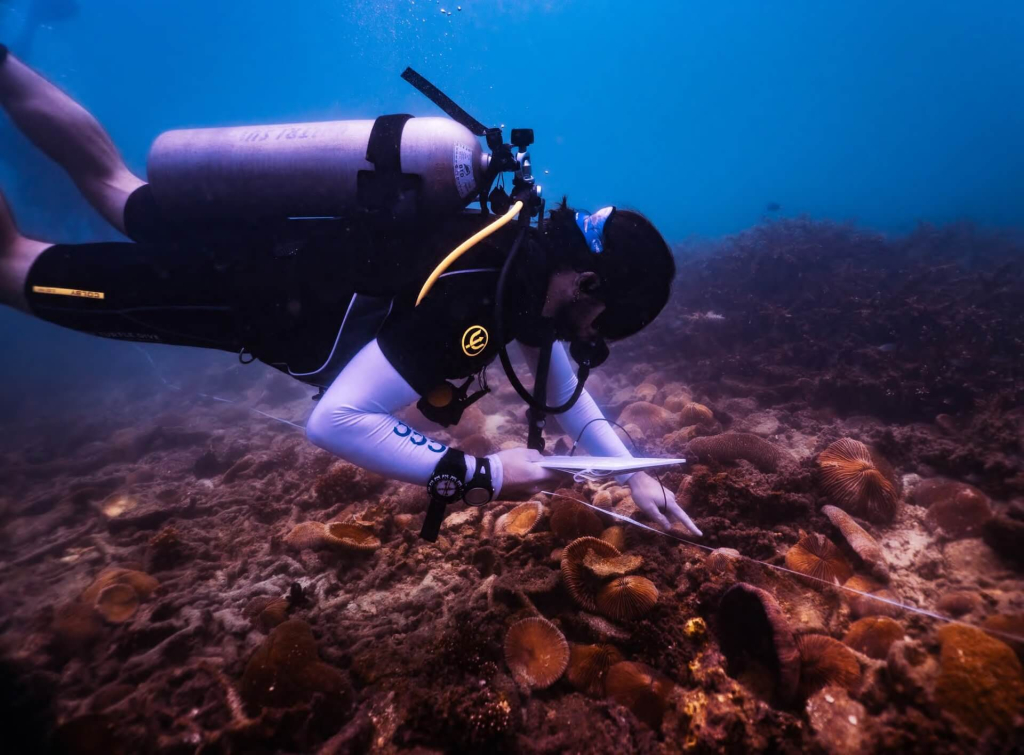
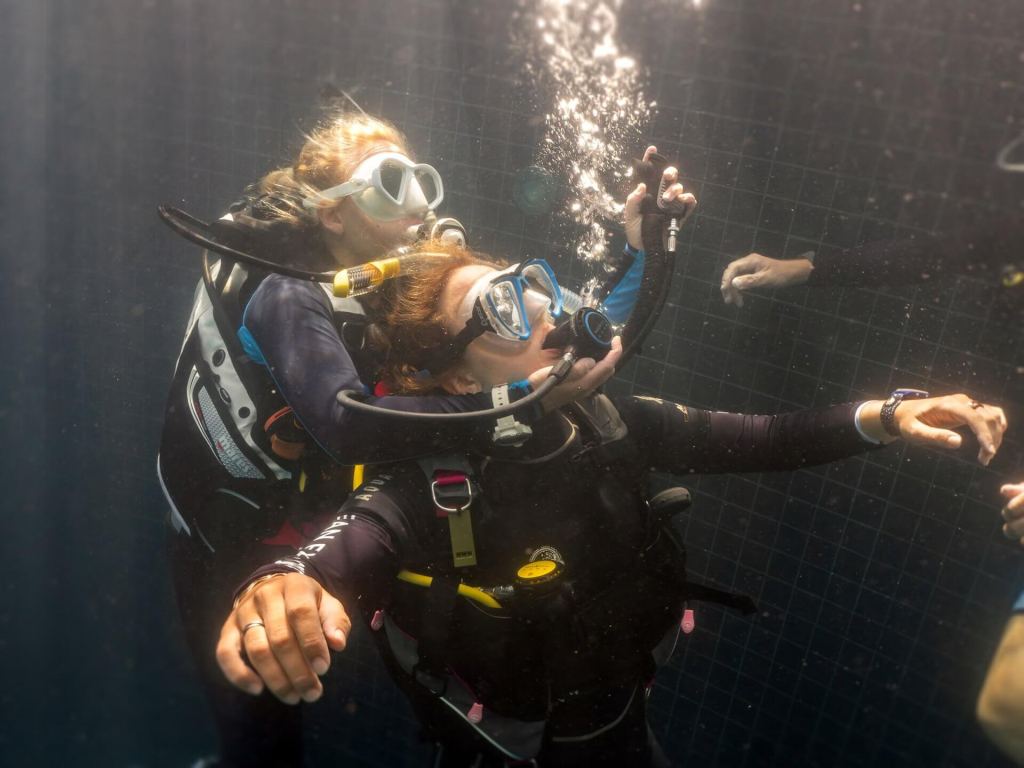
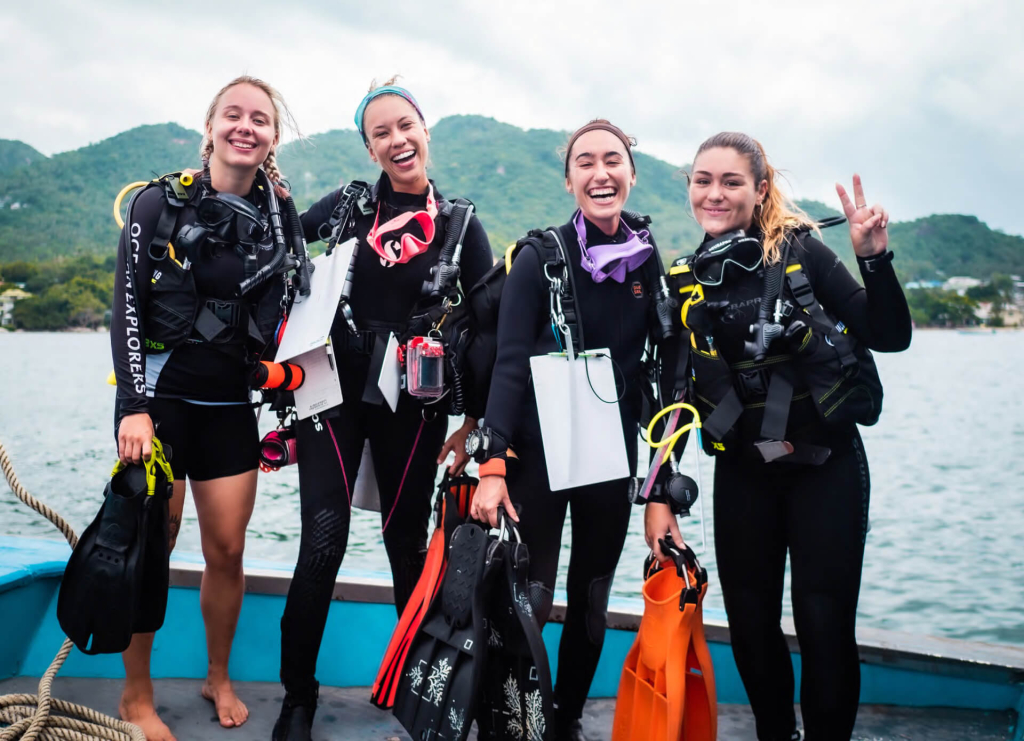
Marine conservation diver preparing to deploy a surface marker buoy during Advanced Ecological Monitoring Program training dives in Koh Tao.
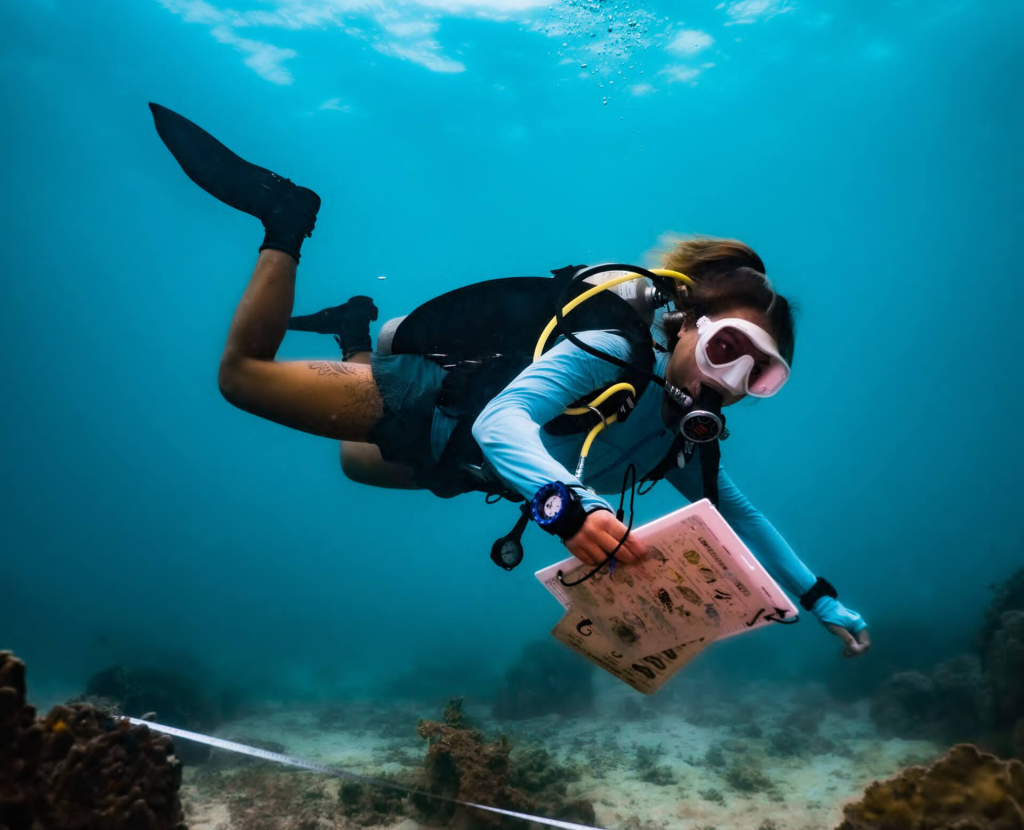
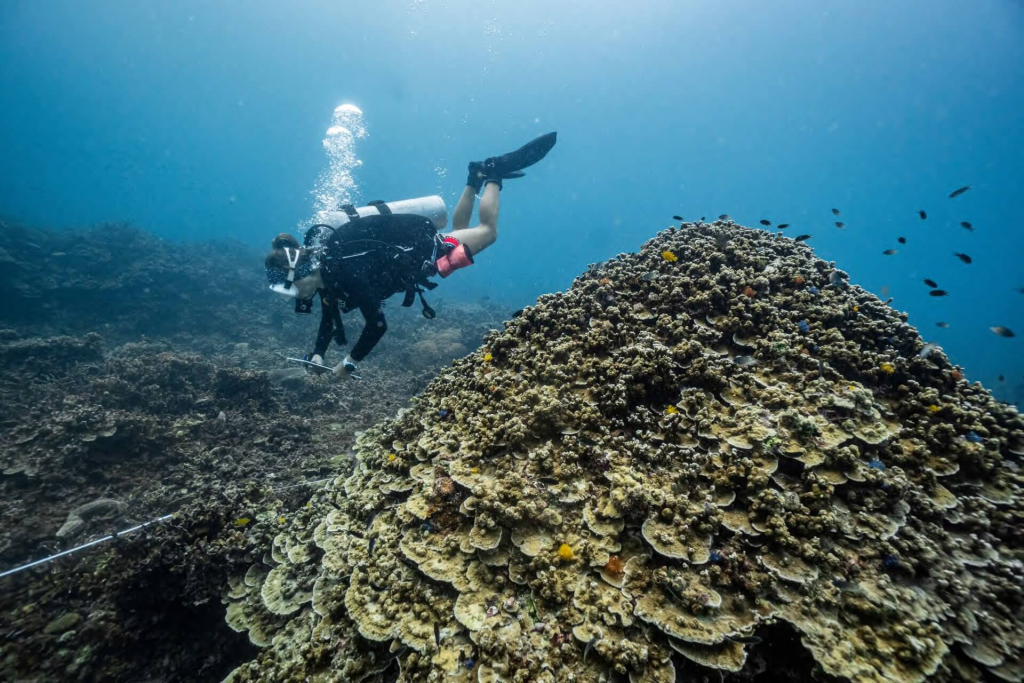
Advanced Ecological Monitoring Program diver conducting a reef health assessment and data collection survey at a coral reef site in Koh Tao.
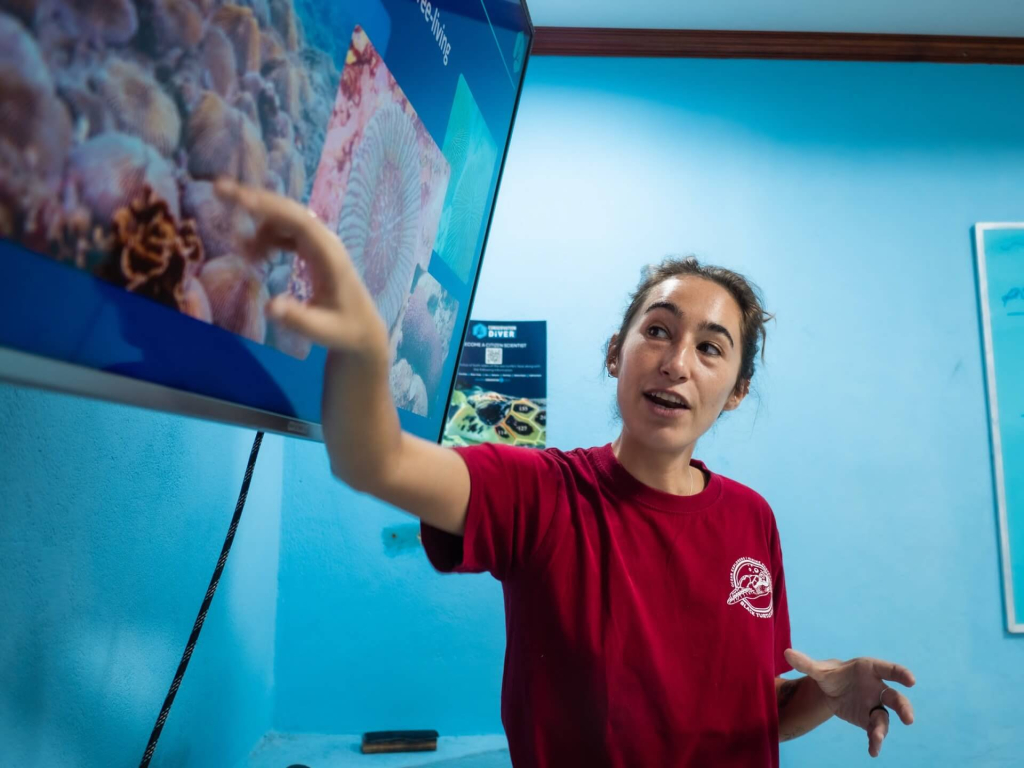
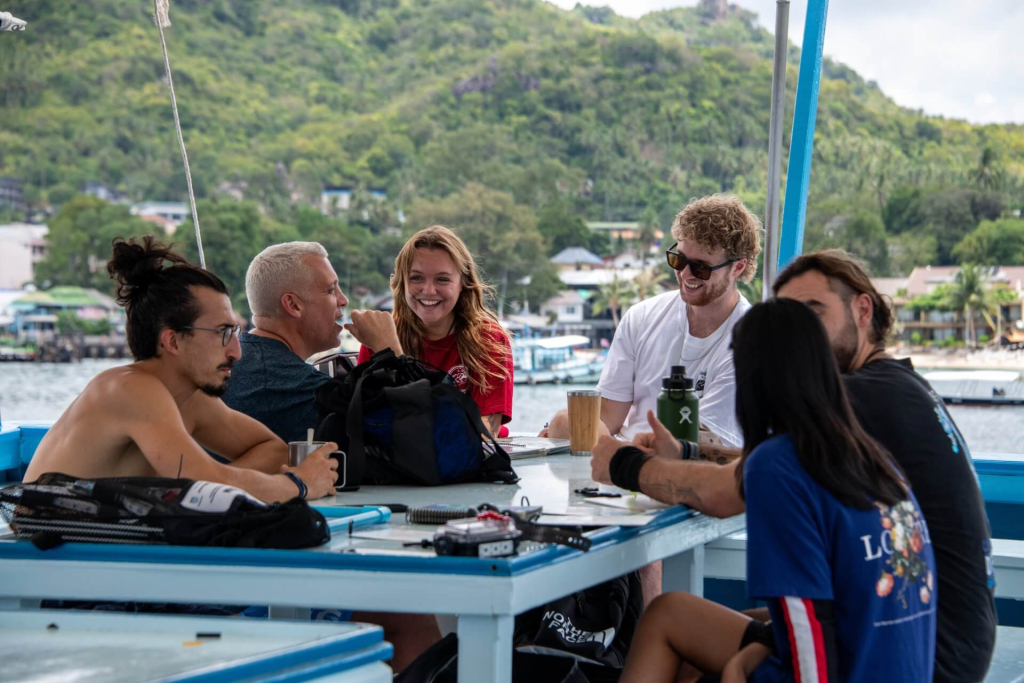
Marine conservation students from the Advanced Ecological Monitoring Program reviewing survey plans and data collection sheets onboard before dives in Koh Tao.
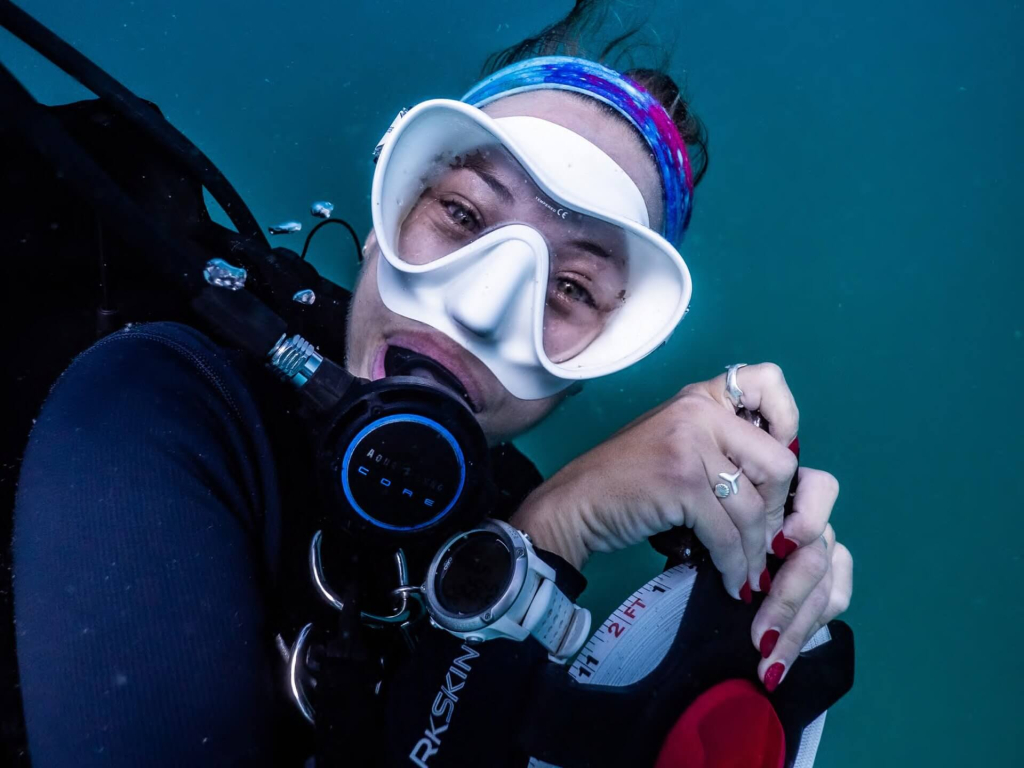
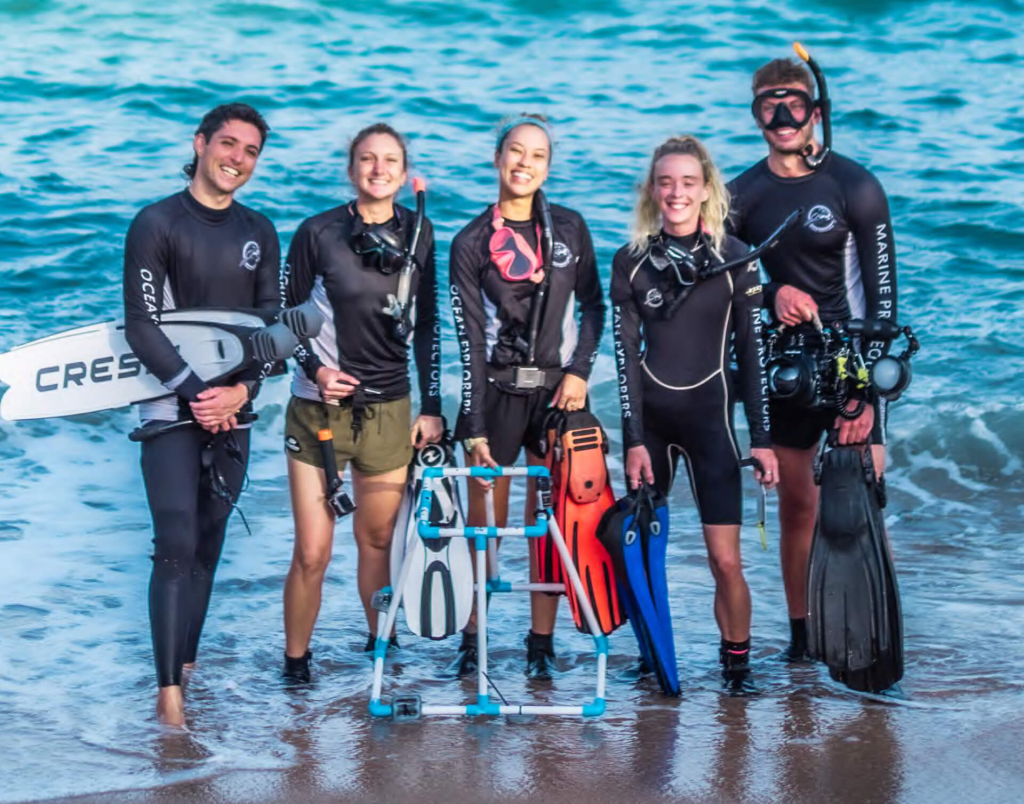
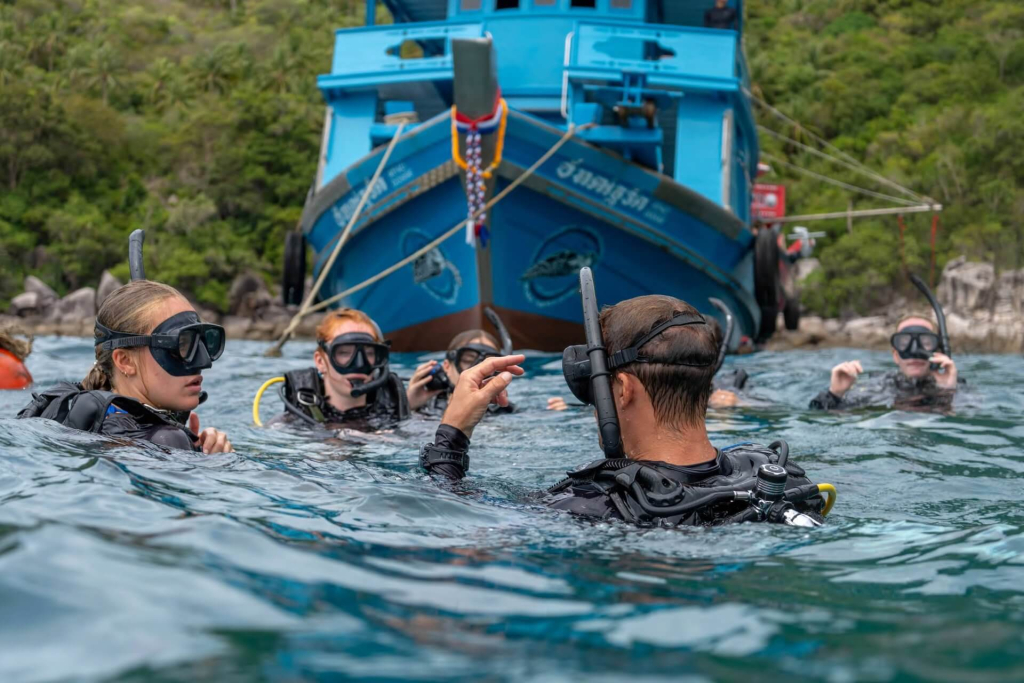
Group of marine conservation students preparing for their Ecological Monitoring Program (EMP) dive with Black Turtle Conservation on Koh Tao, Thailand.

The Advanced Ecological Monitoring Program (Advanced EMP) is designed for experienced conservation divers who want to refine their scientific diving techniques and develop advanced ecological monitoring and research skills.

This course goes beyond standard survey methods, empowering you to design, execute, and analyze your own research protocols while contributing to real reef science.

By completing this course, you’ll earn a prestigious Conservation Diver certification that recognizes your commitment, precision, and leadership in coral reef monitoring and marine research.

Building upon the foundations of the standard Ecological Monitoring Program, this advanced version introduces new survey methods, experimental design principles, and in-water data collection techniques used in professional marine research.

You’ll learn to:

  • Design and implement custom research protocols tailored to specific ecological questions.
  • Practice advanced survey techniques, including quadrats, belt transects, and random sampling methods.
  • Use standardized monitoring tools for improved data accuracy and comparability.
  • Analyze data to identify patterns in reef structure, species diversity, and ecological change.
  • Understand the importance of sample size, replicates, and spatial distribution in reef monitoring studies.

This course is ideal for:

  • Conservation divers looking to pursue research or academic projects.
  • Students completing internships or scientific diver training.
  • Marine biologists and aspiring conservation professionals seeking to
  • strengthen their data collection and analysis skills.
  • Anyone passionate about turning diving into a tool for science and real impact.

This course is highly interactive and hands-on, emphasizing real research practices and critical thinking.

Contact us

WHY THIS COURSE MATTERS

Reef monitoring is the foundation of marine conservation — but advanced monitoring takes it a step further.

The Advanced EMP challenges you to think critically about the design, consistency, and accuracy of scientific surveys, preparing you to work on long-term ecological projects or independent research.

As coral reefs face increasing threats, from bleaching to habitat degradation, it’s crucial that conservation divers are trained not just to collect data, but to interpret and improve monitoring techniques. This course ensures that you can do both — applying your knowledge to generate reliable, actionable insights that support conservation decision-making.

price

6,000 THB

DURATION

1 day

classes

1 class

DIVES

2 training dives

CERTIFICATION

Conservation Diver

LEVEL REQUIRED

Advanced Open Water* Ecological Monitoring Program (EMP)
book now

* Not a diver yet? No problem! You can start your journey by learning to dive with us.
Our PADI Open Water and Advanced Open Water courses are the perfect first step before joining our marine conservation programs.

START WITH A DIVING COURSE

COURSE STRUCTURE

Move beyond “doing the surveys” and learn to design them. The Advanced Ecological Monitoring Program teaches you how to plan, execute, and evaluate reef studies with the rigor used by marine researchers—so your data can inform real conservation decisions on Koh Tao and beyond.

Day 1
Morning 09:00 Advanced EMP Lecture
Lunch
Afternoon 12:00 Advanced EMP Dive
15:00 Advanced EMP Dive
Evening 17:00 Debrief

* Please note that the following schedule is indicative and may vary.
* Exact times for each session and dive will be confirmed before the course begins.

Morning — Theory Session:

You’ll start the day by reviewing existing survey methodologies and exploring how scientists develop new monitoring protocols for specific research questions.

Your instructor will guide you through the process of creating a hypothesis-driven monitoring plan, including how to select sites, determine sampling methods, and minimize bias in data collection.

Together, you’ll discuss examples from ongoing research projects in Koh Tao, such as coral predator population studies, sea slug diversity surveys, and coral restoration success monitoring — gaining insights into how professional research is structured in the field.

Afternoon — 2 Training Dives

You’ll conduct two scientific dives using advanced monitoring techniques.

Dive 1: Quadrat Sampling & Transect Surveys

Practice setting up and recording data from quadrats and belt transects, identifying coral, invertebrate, and substrate categories with precision.

Dive 2: Independent Protocol Implementation

Work in small teams to design and perform your own mini-monitoring project underwater. You’ll apply everything learned in class — from planning to data recording — and present your findings after the dive.

Afterward, you’ll debrief with your instructor, reviewing your results, identifying potential improvements, and discussing how your data could contribute to long-term reef monitoring projects.

By the end of the Advanced EMP, you will:
  • Demonstrate proficiency in multiple scientific survey techniques.
  • Understand how to design and execute effective research protocols.
  • Collect high-quality data suitable for analysis and publication.
  • Strengthen your critical thinking and scientific interpretation skills.
  • Be recognized as an Advanced Ecological Monitoring Diver under the Conservation Diver certification system.
Contact us
Price:
6,000 ฿
BOOK NOW
Includes:
  • Conservation Diver E-Learning
  • 1 class
  • 2 guided conservation dives
  • Conservation Diver Certification
  • Diving equipment & dive computer
  • Dive insurance
  • Refreshments & fruit on the boat
Prerequisites:
  • Advanced Open Water Diver (or equivalent)
  • Completion of the Ecological Monitoring Program (EMP)
  • Completion of the Coral Taxonomy & Identification course
  • Completion of the Coral Disease & Compromised Health course
  • Completion of three additional monitoring specialties (such as Sea Turtle Ecology & Monitoring, Shark Ecology & Population Studies, Coral Predators Monitoring & Management, Giant Clam Monitoring, Sea Slug Ecology, or Plastic Pollution: Monitoring & Assessment)

Testimonials

Posted on Google Google
Chee yen Wong profile picture
Chee yen Wong
1 days ago
Google star 1Google star 2Google star 3Google star 4Google star 5Trustindex verifies that the original source of the review is Google.
+1
This dive shop is highly recommended! The diving guide Isbella is very professional, enthusiastic and patient in explaining everything.
Posted on Google Google
matthias p profile picture
matthias p
1 days ago
Google star 1Google star 2Google star 3Google star 4Google star 5Trustindex verifies that the original source of the review is Google.
Ich war jetzt bereits zum wiederholten Male tauchen bei Black Turtle Dive und bin begeistert. Der Service, die Hilfsbereitschaft & Professionalität sind überragend! Vor allem meine Fun Dives mit den Dive Master Nils und Hailey waren perfekt. Danke für diese tolle Erfahrung!!
Posted on Google Google
Amy Burnett profile picture
Amy Burnett
2 days ago
Google star 1Google star 2Google star 3Google star 4Google star 5Trustindex verifies that the original source of the review is Google.
+0
If you’re looking to complete your PADI open water course, I could not recommend Black Turtle Dive more. We completed the 3 day course. Learnt so much about the ocean and the safety behind diving, that we can take forward to any future dives. Our instructors Jaa and Arisa were so encouraging and patient when it came to learning new skills. As well as the incredible dive locations they take you too.
Posted on Google Google
Zoe Clark profile picture
Zoe Clark
2 days ago
Google star 1Google star 2Google star 3Google star 4Google star 5Trustindex verifies that the original source of the review is Google.
+0
If I could give more than 5 stars I would. The staff were so friendly and welcoming as soon as we stepped through the door. Our instructors were more than perfect Jaa and arisa. Could not recommend them more. Hope to dive with them again sometime. Highly recommend
Posted on Google Google
Alya F profile picture
Alya F
3 days ago
Google star 1Google star 2Google star 3Google star 4Google star 5Trustindex verifies that the original source of the review is Google.
Ich durfte meinen Open Water Diver hier absolvieren und war wirklich sehr zufrieden. Meine Tauchlehrerin war Nadine, sie ist wirklich mega super! Ich habe mich in der Ausbildung immer sehr wohl und verstanden gefühlt. Sie hat mich immer mit viel Geduld und Passion in meinem Lernprozess begleitet, VIELEN DANK Nadine! Ich schätze generell bei Black Turtle die Professionalität und Hilfsbereitschaft sehr! Man merkt das sie viel Leidenschaft im Tauchen leben (das ganze Team) und ihnen Sicherheit beim Tauchen sehr wichtig ist. Ich habe mich vom Empfang bis zur letzen Ausbildungseinheit gut betreut und beraten gefühlt. Komme gerne wieder 🤟🏼
Posted on Google Google
Federico Bertorello profile picture
Federico Bertorello
4 days ago
Google star 1Google star 2Google star 3Google star 4Google star 5Trustindex verifies that the original source of the review is Google.
Hice el curso de open water, la atención de las chicas 10! Mi instructora Rhi excelente!
Posted on Google Google
Toby profile picture
Toby
4 days ago
Google star 1Google star 2Google star 3Google star 4Google star 5Trustindex verifies that the original source of the review is Google.
If your looking for low cost, high quality dive school to do your scuba open waters and/or more through, black turtle is the place to go. Ask around for an instructor named Naim and a soon-to-be instructor named Annie. They were great company and even better instructors. Strongly recommend.
Posted on Google Google
Miriam schlenker profile picture
Miriam schlenker
4 days ago
Google star 1Google star 2Google star 3Google star 4Google star 5Trustindex verifies that the original source of the review is Google.
Posted on Google Google
Michael Clarke profile picture
Michael Clarke
4 days ago
Google star 1Google star 2Google star 3Google star 4Google star 5Trustindex verifies that the original source of the review is Google.
Chae was awesome. Super patient and helpful with the refresher course we did together. I had some serious trouble equalising and he kept me calm, was really understanding, and managed to get me down for two great experiences. Totally recommend him and the whole staff.
Posted on Google Google
Mats Lory profile picture
Mats Lory
5 days ago
Google star 1Google star 2Google star 3Google star 4Google star 5Trustindex verifies that the original source of the review is Google.
Amazing dive center, super professional and chill people!
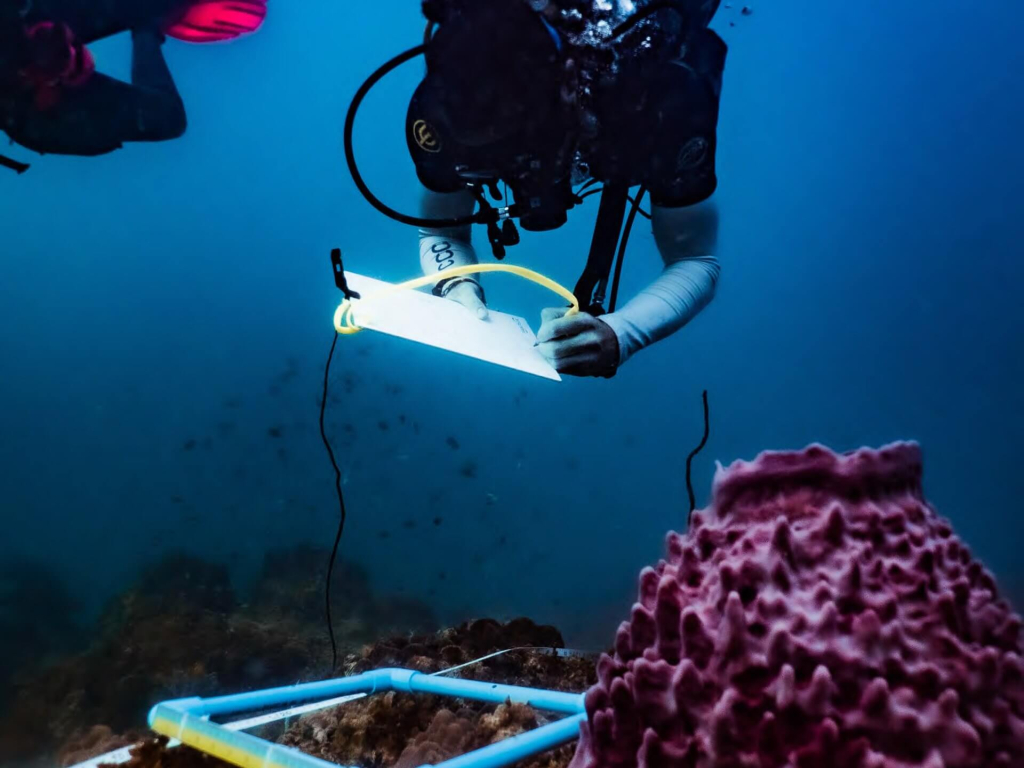
Advanced Ecological Monitoring Program diver using a quadrat and writing board to record coral and substrate data underwater in Koh Tao.

Keep Learning

Your journey in marine science doesn’t end with the Advanced Ecological Monitoring Program — it’s where it truly begins.

Once you’ve mastered advanced monitoring techniques and developed your own research protocols, the next step is to become a Research Assistant.

The Research Assistant certification is the highest recognition within the Conservation Diver framework. It’s not a course in the traditional sense, but rather an award of excellence given to students who have demonstrated exceptional skill, dedication, and contribution to research and conservation projects. It represents your transition from student to collaborator — a valued member of the research team working alongside instructors and scientists in the field.

If you’re not quite there yet, don’t worry — you can start building the foundation by completing the Ecological Monitoring Program (EMP), Coral Taxonomy, Coral Disease & Compromised Health, and at least three monitoring specialties such as Sea Turtle Ecology, Shark Ecology, Coral Predators, Sea Slugs, or Plastic Pollution.

Each course will help you gain the experience and knowledge required to progress toward the Research Assistant level and make a real impact on marine conservation science.

ECOLOGICAL MONITORING PROGRAM

Prerequisites: AOW

The Ecological Monitoring Program (EMP) introduces reef survey methods and scientific diving techniques. You’ll learn to assess fish, invertebrates, substrate, and coral health, and report your findings to an international database.

Coral Taxonomy & Identification

Prerequisites: AOW + EMP

Learn to identify coral species based on skeletal and anatomical characteristics, both on land and underwater.

This course builds essential skills for research, restoration, and monitoring projects.

NUDIBRANCH & SEA SLUG ECOLOGY

Prerequisites: AOW + EMP

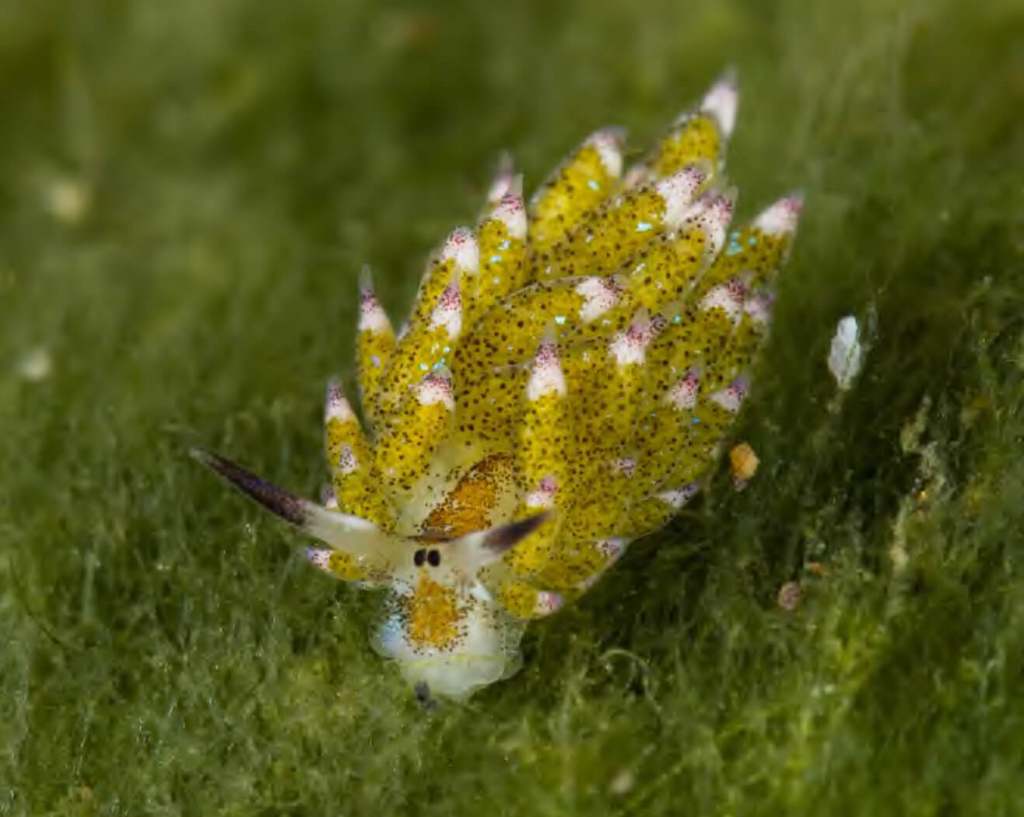
Dive into the world of nudibranchs and sea slugs, key indicators of reef biodiversity and water quality. You’ll explore their taxonomy and ecology while participating in an ongoing research project at Black Turtle Conservation.

CORAL RESTORATION THEORY & TECHNIQUES

Prerequisites: AOW + EMP

Explore the science behind coral restoration.

You'll learn about restoration strategies, site selection, coral health assessment, and attachment methods.

ARTIFICIAL REEF THEORY & TECHNIQUES

Prerequisites: AOW + EMP + Coral Restoration

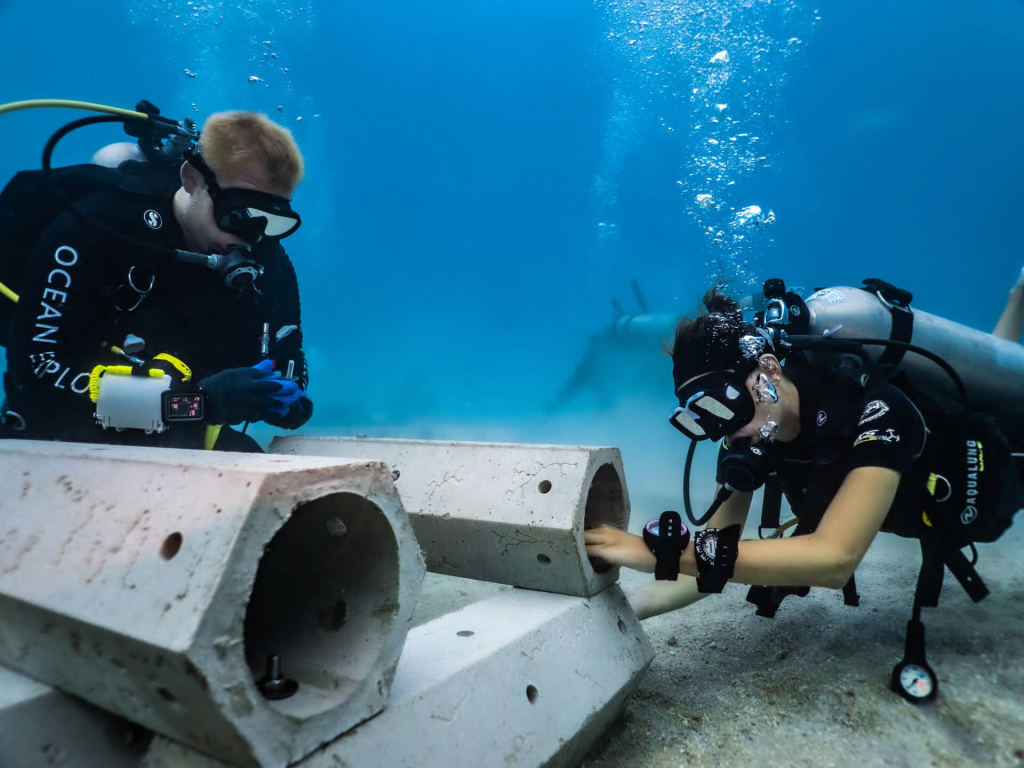
Artificial reefs help restore damaged habitats and provide alternative dive sites. You’ll explore the science behind their design and even create your own reef project as a classroom exercise.

CORAL PREDATORS: POPULATION MANAGEMENT & MONITORING

Prerequisites: AOW + EMP

Identify and monitor coral predators such as crown-of-thorns starfish and Drupella snails, and understand their impact on reef health.

This course teaches practical techniques for population control and long-term reef protection.

ADVANCED CORAL TAXONOMY

Prerequisites: AOW + EMP + Coral Taxonomy

Expand your coral identification skills by learning to recognize more challenging and rare genera.

This course deepens your knowledge of skeletal and anatomical traits, strengthening your abilities for advanced research and monitoring.
CORAL DISEASES & COMPROMISED HEALTH

Prerequisites: AOW + EMP + Coral Taxonomy

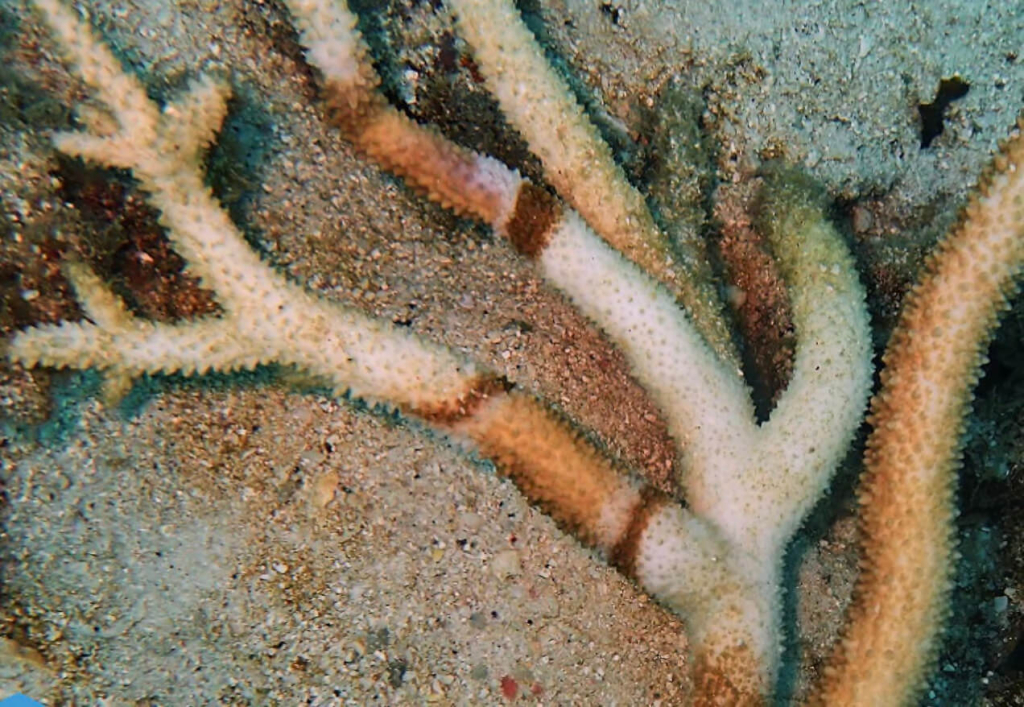
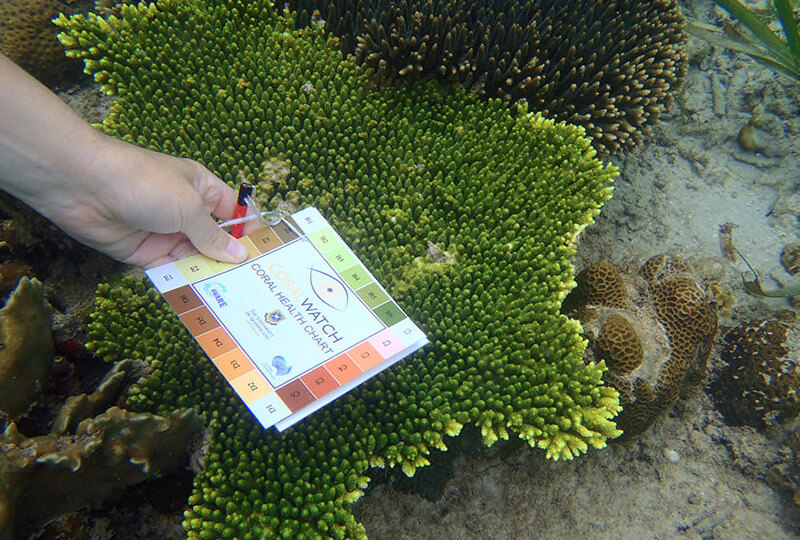
Discover how to identify and record common coral diseases and signs of stress in reef ecosystems.
This course equips you with the skills to assess reef health and contribute valuable data to monitoring efforts.

ADVANCED EMP

Prerequisites: AOW + EMP + Coral Taxonomy + Coral Disease + 3 Monitoring Courses

Gain experience using additional monitoring techniques, including quadrants, transects, and advanced survey methods. This course enhances your ability to collect accurate data and analyze long-term changes in reef ecosystems.

SEA TURTLE ECOLOGY & MONITORING

Learn about the ecology, behavior and threats facing sea turtles, all of which are endangered. Develop skills in turtle ID and data collection, allowing you to contribute to real conservation initiatives by recording sightings to support ongoing monitoring efforts in Koh Tao and internationally.

SHARK ECOLOGY & POPULATION STUDIES

Sharks play a crucial role as apex predators, yet many species are now critically endangered. Explore their evolution, anatomy, and ecological role. Learn population monitoring techniques and how to contribute to local and global shark databases to aid conservation efforts.

CORAL WATCH SPECIALITY

Learn how to assess coral health and contribute to a global monitoring effort using a powerful method developed by CoralWatch and supported by PADI AWARE. Gain insight into coral biology, bleaching, and climate change, while participating in real reef surveys.

PLASTIC POLLUTION: MONITORING & ASSESSMENT

Learn about the scale and impact of plastic pollution in the ocean. Gain hands-on experience monitoring microplastics and help protect reef ecosystems by removing macroplastics.

3 DAY PADI OPEN WATER DIVER

PADI ADVANCED OPEN WATER DIVER

PADI RESCUE DIVER + EMERGENCY FIRST RESPONSE (EFR)

Contact us

Grow Your Skills with Our Conservation Programs

All our marine conservation programs begin with the Ecological Monitoring Program (EMP), providing a solid foundation in scientific diving and hands-on conservation.

From there, you can continue learning through our carefully designed programs, which follow a progression we’ve developed to maximize learning and practical experience. Each course builds on the last, helping you
develop your skills step by step while contributing to meaningful conservation projects.

Whether your goal is to specialize in coral restoration, turtle research, or broader reef monitoring, our programs guide you along a clear path, so you can grow as a marine conservationist while enjoying every step of the journey.

CONSERVATION SPECIALIST

  • EMP
  • Coral Taxonomy
  • Sea turtles
  • BTD Sea slugs

REEF SPECIALIST

  • Coral Restoration
  • Artificial Reefs
  • Coral Taxonomy III
  • BTC Marine Pollution

MASTER CONSERVATIONIST

  • Giant Clams
  • BTD Cleaning Stations
  • BTD Coral Predators
  • Sharks

SCIENTIFIC DIVER

  • Image J
  • Coral Disease
  • Advanced EMP

Learning Pathway

← Scroll horizontally to see full pathway →

courses

ANY LEVEL

Open to Divers & Non-Divers
  • Sea Turtle Ecology & Monitoring
  • Coral Watch Speciality
  • Shark Ecology & Population Studies
  • Plastic Pollution: Monitoring & Assessment

ADVANCED DIVERS

AOW Required
Ecological Monitoring Program (EMP)
  • Coral Taxonomy & Identification
    • Advanced Coral Taxonomy
    • Coral Disease Monitoring
  • Nudibranch & Sea Slug Ecology
  • Coral Restoration Theory & Techniques
    • Artificial Reefs Theory
  • Coral Predators Monitoring & Mgmt
Advanced
EMP

programs

ANY LEVEL

Open to Divers & Non-Divers
3 days

CITIZEN SCIENCE

  • Coral Watch Speciality
  • Citizen Science Initiatives
  • Marine Ecology

This infographic shows the progression of the different marine conservation courses and programs we offer at Black Turtle Conservation.

Developed in collaboration with Conservation Diver, PADI AWARE, and our own in-house certifications, these courses and programs provide hands-on opportunities to learn, dive, and actively contribute to real conservation and research efforts.

ADVANCED DIVERS

AOW Required
1 week

CORE CONSERVATIONIST

  • EMP
  • Coral Taxonomy I
2 weeks

CONSERVATION SPECIALIST

  • EMP
  • Coral Taxonomy I & II
  • Sea Turtles
  • BTD Sea Slugs
+ 2 weeks

REEF SPECIALIST

  • Coral Restoration
  • Artificial Reefs
  • Coral Taxonomy III
  • BTD Marine Pollution
+ 2 weeks

MASTER CONSERVATIONIST

  • Giant Clams
  • BTD Cleaning Stations
  • BTD Coral Predators
  • Sharks
+ 2 weeks

SCIENTIFIC DIVER

  • Image J
  • Coral Disease
  • Advanced EMP

pro

PROFESSIONAL LEVEL

Dive Master Required

RESEARCH
ASSISTANT

INSTRUCTOR
DEVELOPMENT
COURSE (IDC)

EMP
INSTRUCTOR

EMP

SPECIALITY
INSTRUCTOR

EMP + ≥5 courses

MASTER
INSTRUCTOR

EMP + ≥10 courses

INSTRUCTOR
TRAINER

← Scroll horizontally to see full pathway →
Contact us

FREQUENTLY ASKED QUESTIONS

What is the Advanced Ecological Monitoring Program?

The Advanced Ecological Monitoring Program (Advanced EMP) is an intensive marine conservation course in Koh Tao designed for experienced divers who want to advance their scientific diving and research skills.

It builds on the standard Ecological Monitoring Program (EMP), introducing new survey techniques, data analysis, and research design to help you conduct professional-level marine studies.

Who can take the Advanced EMP course?

The Advanced EMP is open to divers who have already completed the Ecological Monitoring Program (EMP), Coral Taxonomy, Coral Disease & Compromised Health, and at least three other monitoring specialties — such as Sea Turtle Ecology, Shark Ecology, Coral Predators, Giant Clams, Sea Slugs, or Plastic Pollution.

It’s perfect for students, interns, and aspiring marine biologists who want to contribute to real reef research and conservation projects.

What will I learn during the Advanced EMP course in Koh Tao?

You’ll learn how to design, execute, and evaluate reef research projects using professional monitoring methods. The course includes advanced techniques such as quadrats, belt transects, random sampling, and long-term monitoring design, as well as guidance on data quality, replication, and interpretation.

You’ll leave with the confidence to conduct independent scientific surveys and create your own monitoring protocols.

How is the Advanced Ecological Monitoring Program different from the regular EMP?

While the regular EMP focuses on learning standard survey methods for fish, invertebrates, substrate, and coral health, the Advanced EMP takes it further—teaching you to design your own research questions, choose appropriate sampling techniques, and analyze data with scientific rigor.

It’s the next step for divers who want to transform their conservation diving into applied marine research.

Do I need to be a marine biologist to take the Advanced EMP course?

Not at all! The course is designed for divers with conservation training who want to expand their research and analytical skills.

Our instructors will guide you through the process step by step, adapting to your level of experience while maintaining scientific standards.

What kind of fieldwork will I do in the Advanced EMP?

During your dives, you’ll conduct ecological surveys using advanced sampling techniques and site mapping tools. You’ll practice setting up transects and quadrats, collecting precise data, and developing your own mini-research project that you’ll present at the end of the day.

Every dive contributes to ongoing reef monitoring efforts around Koh Tao.

Where does the Advanced EMP course take place?

The course is conducted at selected reef sites around Koh Tao, chosen for their biodiversity, accessibility, and suitability for research. These include coral reefs used in our long-term studies, allowing you to work in real research environments used by marine scientists and conservation organizations.

What certification will I receive after completing the Advanced EMP?

Upon successful completion, you’ll earn the Advanced Ecological Monitoring Program Certification from Conservation Diver — an internationally recognized qualification that certifies your ability to perform advanced reef surveys and design independent research projects.

It’s a valuable credential for those pursuing marine research, internships, or scientific diving careers.

How does the Advanced EMP help me grow as a conservation diver?

The Advanced EMP gives you the tools to move from data collection to data interpretation. You’ll learn to think like a researcher, understand the ecological meaning behind the numbers, and apply your findings to real conservation management.

It’s a key step for anyone aiming to take on leadership roles in conservation or academic research.

Why take the Advanced Ecological Monitoring Program with Black Turtle Conservation in Koh Tao?

At Black Turtle Conservation, every course is science-based and field-driven. Our conservation team —made up of marine biologists and Conservation Diver Instructor Trainers— is constantly developing and refining new research protocols, monitoring methods, and restoration techniques to ensure our students learn using the most current and effective approaches in marine science.

During the Advanced Ecological Monitoring Program, you’ll train directly on our research sites, working with real datasets and methodologies that contribute to ongoing conservation studies in Koh Tao and the Gulf of Thailand.

We take pride in combining academic rigor with hands-on learning, creating an environment where students don’t just follow protocols —they understand, analyze, and improve them. If you’re ready to take your marine conservation skills to the next level and become part of a team pushing reef science forward, this is where it happens.

Still have questions?

contact us