Reaching up to 25 mm, it is a specialized predator of hydroids, sequestering stinging nematocysts through kleptocnidy for defense while displaying aposematic coloration. Diurnal and typically found crawling on hydroid-covered hard substrates or rubble in shallow reefs, it contributes to reef balance by controlling hydroid populations and serves as a subtle yet elegant bioindicator of healthy shallow reef communities in the Gulf of Thailand.

This comprehensive guide details its morphology, diet and feeding behaviors, substrate preferences, identification tips, specific Koh Tao dive sites, environmental conditions, vulnerability profile, and hands-on training opportunities with Black Turtle Conservation—ideal for divers, underwater photographers, and marine enthusiasts seeking accurate, in-depth information on this graceful aeolid nudibranch.

Common Names: Lotos Nudibranch

Family: Flabellinidae (formerly placed in Facelinidae in some classifications) Order: Nudibranchia (Suborder: Aeolidina)

Learn About Coryphellina lotos

Night dive for nudibranch research during the Sea Slug Ecology course at Black Turtle Conservation, Koh Tao.
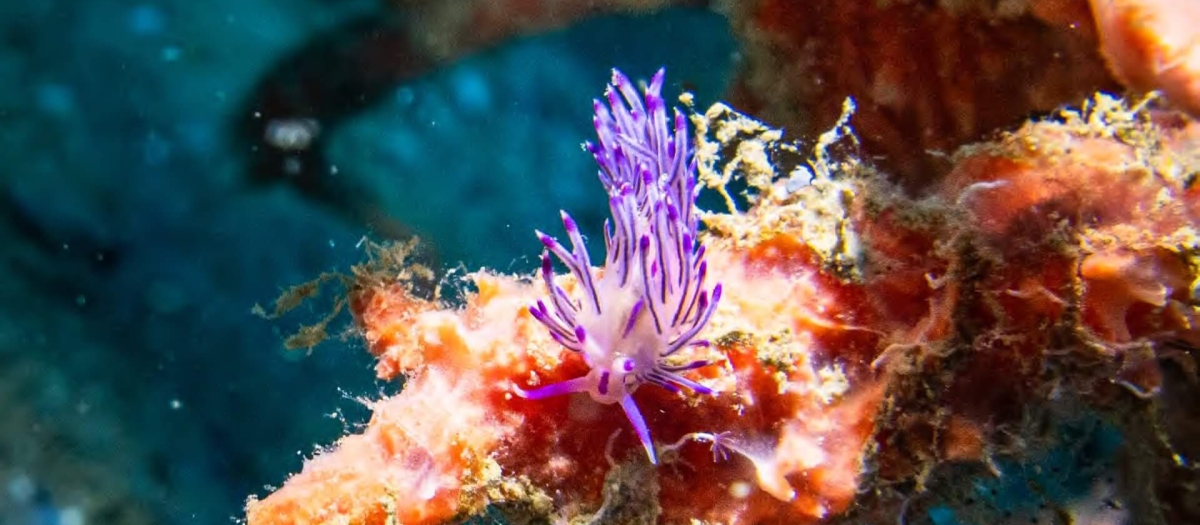
Colorful Coryphellina nudibranch feeding on a coral reef in Koh Tao, Thailand, during a marine biodiversity survey.
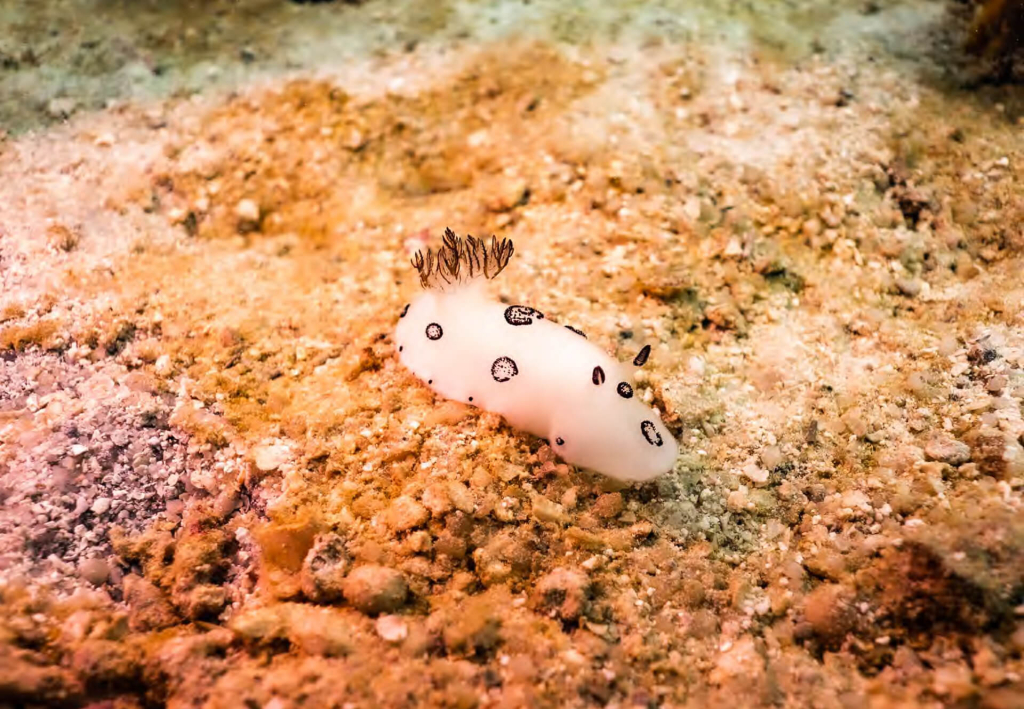
Close-up photo of a nudibranch taken during the Nudibranch & Sea Slug Ecology course at Black Turtle Conservation, Koh Tao.
Divers conducting sea slug monitoring surveys to study species diversity and distribution around Koh Tao.
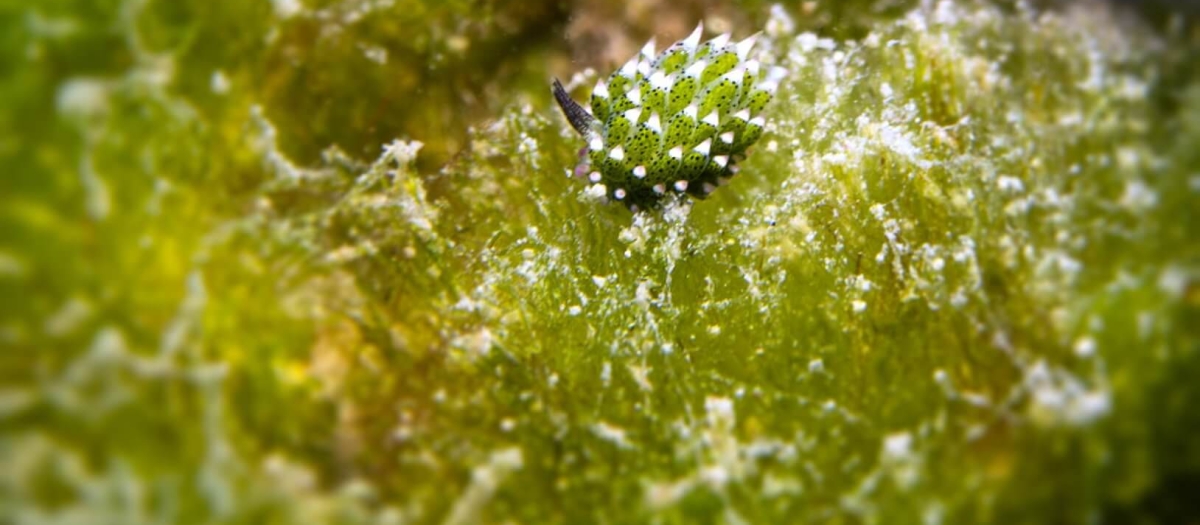
Costasiella kuroshimae, also known as “Shaun the Sheep” sea slug, found during the Sea Slug Ecology course in Koh Tao, Thailand.
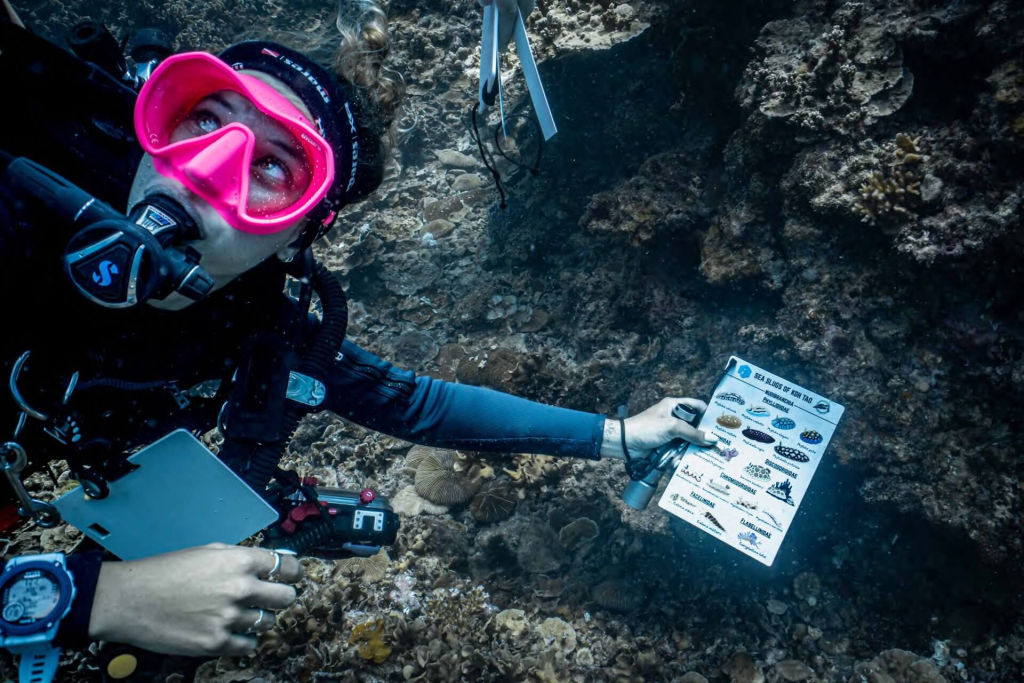
Marine conservation diver photographing nudibranch species on Koh Tao coral reef as part of biodiversity documentation.

Overview of the Species

Coryphellina lotos is an elegant aeolid nudibranch in the family Flabellinidae, recognized for its subtle yet striking red-line patterning and association with hydroids. These shell-less marine gastropods belong to the diverse group of aeolid nudibranchs celebrated for their colorful cerata and sophisticated defensive strategies.

With over 191 nudibranch species documented around Koh Tao, C. lotos adds to the island’s rich aeolid diversity, often appearing as a rewarding find for attentive macro divers exploring hydroid-rich zones in the Gulf of Thailand.

Originally described in 2017 from Japanese material, it has since been recorded in Thai waters, with Koh Tao specimens closely matching the original description while showing minor regional variation.

Size and Appearance Highlights

Adults typically reach 15–25 mm in length, with a slender, elongated body and a short, quickly tapering tail. The background color is translucent white to pale purple. Diagnostic features include discontinuous red or magenta lines running along the dorsum and lateral sides of the body. The oral tentacles are long (1.5–2 times the rhinophore length) with tapered tips and a wide subapical magenta or dark-pink band.

The rhinophores are highly papillate on the posterior face, often light-orange with a magenta sub-apical band and translucent tips. Cerata are cylindrical, elongated, and pointed, arranged in up to six groups per side on slight elevations.

Daily Behaviors and Activity Patterns

Coryphellina lotos is primarily diurnal, actively foraging on hydroids during daylight hours. It moves slowly and gracefully using its muscular foot, often climbing over hydroid colonies while sampling the environment with its long oral tentacles and papillate rhinophores.

As simultaneous hermaphrodites, individuals may pair during mating seasons, aligning right sides together for reciprocal sperm exchange before each lays its own egg ribbon. Its relatively exposed position on hydroids is supported by strong chemical and nematocyst-based defenses.

Role in Koh Tao Marine Life

In Koh Tao’s reef and rubble habitats, C. lotos helps regulate hydroid growth, preventing overgrowth that could compete with corals and other sessile organisms. It is frequently encountered on rocky slopes and artificial structures, where its presence signals healthy hydroid communities.

The species serves as a delicate ambassador for aeolid ecology and is increasingly noted in local biodiversity surveys and macro photography sessions.

Key Behavioral Adaptations

The species exhibits classic aeolid traits: deliberate gliding among hydroids, the ability to autotomize cerata when threatened, and kleptocnidy — the sequestration of undischarged nematocysts from prey into cnidosacs at the cerata tips. These adaptations enable C. lotos to thrive in moderately exposed shallow habitats while minimizing predation risk through both visual warning and functional stinging cells.

Coryphellina lotos Morphology

Colorful Coryphellina nudibranch feeding on a coral reef in Koh Tao, Thailand, during a marine biodiversity survey.

Body Shape and Texture

Coryphellina lotos has a slender, elongated body typical of aeolids, with well-developed anterior foot corners that are somewhat tentacular. The texture is smooth and translucent, allowing the internal organs to show faintly. The tail is short and tapers quickly after the posterior-most ceratal group.

Sensory and Respiratory Structures

Oral tentacles are long and tapered, bearing a prominent subapical magenta band. Rhinophores are highly papillate on the posterior face with pointed tips, providing enhanced chemosensory capability.

Respiration primarily occurs through the numerous cerata, which contain diverticula of the digestive gland and greatly increase surface area for gas exchange. The foot is slender with a broad sole for attachment to irregular surfaces.

Size Variations and Defensive Features

Juveniles are smaller with fewer cerata and less intense coloration. Adults reach up to 25 mm. Cerata are cylindrical, elongated, and pointed, arranged in up to six groups per side on slight elevations (the first group being the largest).

The discontinuous red/magenta dorsal and lateral lines, combined with the colored bands on tentacles and rhinophores, create a subtle yet distinctive pattern. When threatened, the nudibranch can shed cerata, which continue to wriggle and deter predators while discharging stored nematocysts.

The translucent body offers partial camouflage against hydroid backgrounds, while the red lines function as aposematic signaling.

This morphology is well-adapted for navigating dense hydroid colonies. The elongated form and long cerata allow efficient movement, while the papillate rhinophores improve detection of prey and mates in sometimes turbid shallow water.

Coryphellina lotos Diet and Feeding Strategy

Conservation divers performing underwater research and sea slug identification training in Koh Tao, Thailand.
Close-up photo of a nudibranch taken during the Nudibranch & Sea Slug Ecology course at Black Turtle Conservation, Koh Tao.
Divers conducting sea slug monitoring surveys to study species diversity and distribution around Koh Tao.

Primary Food Sources

Coryphellina lotos is a specialized predator of hydroids, particularly species such as Eudendrium and similar hydrozoans with stinging polyps.

Feeding Behavior in Detail

The nudibranch crawls deliberately over hydroid colonies, using its oral tentacles and radula to grasp and consume individual polyps. Feeding is selective and methodical, often occurring over extended periods on a single colony as the animal moves systematically from branch to branch.

Chemical Defense Mechanisms and Kleptocnidy

The diet provides both nutrition and powerful defense. C. lotos sequesters undischarged nematocysts from its hydroid prey, storing them in cnidosacs at the tips of its cerata through kleptocnidy.

When attacked, these stolen stinging cells can be discharged, offering an effective weapon against predators. The red/magenta lines and bands likely advertise this capability, warning potential predators of the nudibranch’s distasteful or stinging nature.

Diurnal Activity and Ecological Impact

Feeding is mainly diurnal when hydroids are extended for plankton capture. In Koh Tao, this behavior makes C. lotos visible to divers on hydroid-covered substrates. By grazing hydroids, the species helps maintain reef balance and prevents excessive overgrowth on hard surfaces.

Juveniles target smaller hydroid patches, gradually shifting to larger colonies as they mature. Its close association with specific hydroids makes it a useful bioindicator of local hydroid health and shallow reef water quality.

Coryphellina lotos Substrate Preference

Close-up photo of a nudibranch taken during the Nudibranch & Sea Slug Ecology course at Black Turtle Conservation, Koh Tao.

Coryphellina lotos prefers hard substrates densely covered with hydroids, including rocky outcrops, coral rubble, reef walls, and artificial structures. It is most common in shallow to moderate depths (typically 5–15 m, occasionally shallower or deeper).

Why Substrate Matters

The species concentrates where hydroids can attach securely to stable hard surfaces. It frequently climbs vertical or inclined hydroid-covered rocks, using its foot for firm attachment while foraging.

Response to Environmental Conditions

In moderate surge, C. lotos remains securely positioned on hydroids. During stronger currents, it may retreat slightly into denser growth or under small overhangs. This preference for hydroid-rich hard substrates supplies both food and a textured backdrop that complements its translucent body and colored lines for partial camouflage while still allowing aposematic signaling.

Environmental Conditions

Coryphellina lotos inhabits tropical coral reef waters of the Gulf of Thailand with temperatures of 24–30°C and salinity around 33–35 ppt. It prefers clear to moderately turbid water with visibility of 10–25 m and moderate currents or surge that support hydroid growth without heavy siltation.

Seasonal Patterns

It is present year-round, but sightings are often easier during the dry season (November–April) with calmer seas and better visibility. The species tolerates slight environmental variability but thrives on well-lit shallow to mid-depth reefs with stable hydroid colonies. Monsoons may shift its local distribution toward more sheltered sites during rougher periods.

Coryphellina lotos Ecological Role(s)

Broader Reef Contributions

Through kleptocnidy, it participates in complex defensive networks on the reef. Its patterned lines may contribute to Müllerian mimicry among aeolids, reinforcing predator avoidance. As a mid-level consumer, it links hydroid production to higher trophic levels, with few predators able to overcome its stored nematocysts.

Value as a Bioindicator

Populations of C. lotos around Koh Tao reflect healthy hydroid communities and stable shallow reef conditions. Its planktonic larval stage aids genetic connectivity across Gulf of Thailand reefs.

Opportunities for Citizen Science

Its diurnal activity and distinctive red lines make it suitable for diver-led surveys. Documenting sightings, associated hydroids, and behavior provides valuable data for monitoring reef health amid tourism and environmental pressures.

Divers conducting sea slug monitoring surveys to study species diversity and distribution around Koh Tao.

Coryphellina lotos Fun and Interesting Facts

Costasiella kuroshimae, also known as “Shaun the Sheep” sea slug, found during the Sea Slug Ecology course in Koh Tao, Thailand.

Discontinuous Red Lines

The discontinuous red or magenta dorsal and lateral lines are a key diagnostic feature of Coryphellina lotos, distinguishing it from closely related species in the C. rubrolineata complex. These lines give the nudibranch an elegant, striped appearance that enhances its aposematic signaling.

Kleptocnidy – Stolen Stinging Cells

Like many aeolids, C. lotos practices kleptocnidy: it sequesters functional nematocysts from hydroid prey and stores them in its cerata for defense. This allows the nudibranch to repurpose its prey’s weapons without producing toxins itself — a sophisticated evolutionary strategy.

Reproductive Strategy

Coryphellina lotos is a simultaneous hermaphrodite. Every individual possesses both male and female reproductive organs, enabling flexible mating in patchy reef habitats. Pairs align right side to right side, exchanging sperm packets reciprocally in a graceful positioning.

After mating, each individual lays its own egg ribbon — typically a neat spiral or coil attached to hydroids or nearby hard substrate. These ribbons contain thousands of embryos that develop into planktonic veliger larvae. The larvae swim freely in the water column, feeding on phytoplankton before settling onto suitable hydroid-rich substrates and metamorphosing into juveniles.

This reproductive mode is virtually identical to that of Caloria indica, Caloria militaris, Phyllidia varicosa, and most other nudibranchs, maximizing success through wide larval dispersal.

Mimicry and Camouflage

The red lines and ceratal arrangement may contribute to mimicry complexes with other aeolids sharing similar warning patterns. The translucent body provides subtle camouflage among hydroids, while the colored lines ensure effective aposematic signaling when the animal is exposed.

Koh Tao Observations

Around Koh Tao, C. lotos is an occasional but exciting find for macro enthusiasts, often spotted on hydroid-covered rocks or rubble. Its delicate form and subtle patterning make it highly photogenic, and regional records help document the island’s growing nudibranch inventory.

Coryphellina lotos Vulnerability Profile

Marine conservation diver photographing nudibranch species on Koh Tao coral reef as part of biodiversity documentation.

Coryphellina lotos is currently Not Evaluated on the IUCN Red List. Like many reef-associated aeolids, it faces indirect threats from habitat degradation, including sedimentation, pollution, and physical disturbance from diving and anchoring that can reduce hydroid availability. Its specialized diet makes it sensitive to changes in hydroid communities.

While not targeted for collection, occasional handling for photography can cause stress. Ethical diving practices and long-term citizen-science monitoring are recommended to track abundance trends as an indicator of shallow reef health around Koh Tao.

Divers conducting sea slug monitoring surveys to study species diversity and distribution around Koh Tao.

How to Identify Coryphellina lotos

Identification relies on the translucent white to pale purple body, discontinuous red/magenta dorsal and lateral lines, long oral tentacles with subapical magenta bands and translucent tips, and highly papillate rhinophores often with magenta bands.

Cerata are arranged in up to six groups per side. Size up to 25 mm. It differs from similar Coryphellina species by the specific pattern of discontinuous lines and ceratal arrangement.

In the field, note its presence on hydroids and the distinctive head and body lines. Macro photography of the oral tentacles, rhinophores, and dorsal lines provides reliable confirmation.

Mastering Identification with Black Turtle Conservation

Black Turtle Conservation on Koh Tao offers specialized training to help divers confidently identify Coryphellina lotos and distinguish it from similar aeolids. Our programs emphasize field recognition of key traits such as the discontinuous red lines and papillate rhinophores, building skills for documenting rarer species and supporting local biodiversity records.

Our Training Approach: From Theory to Survey

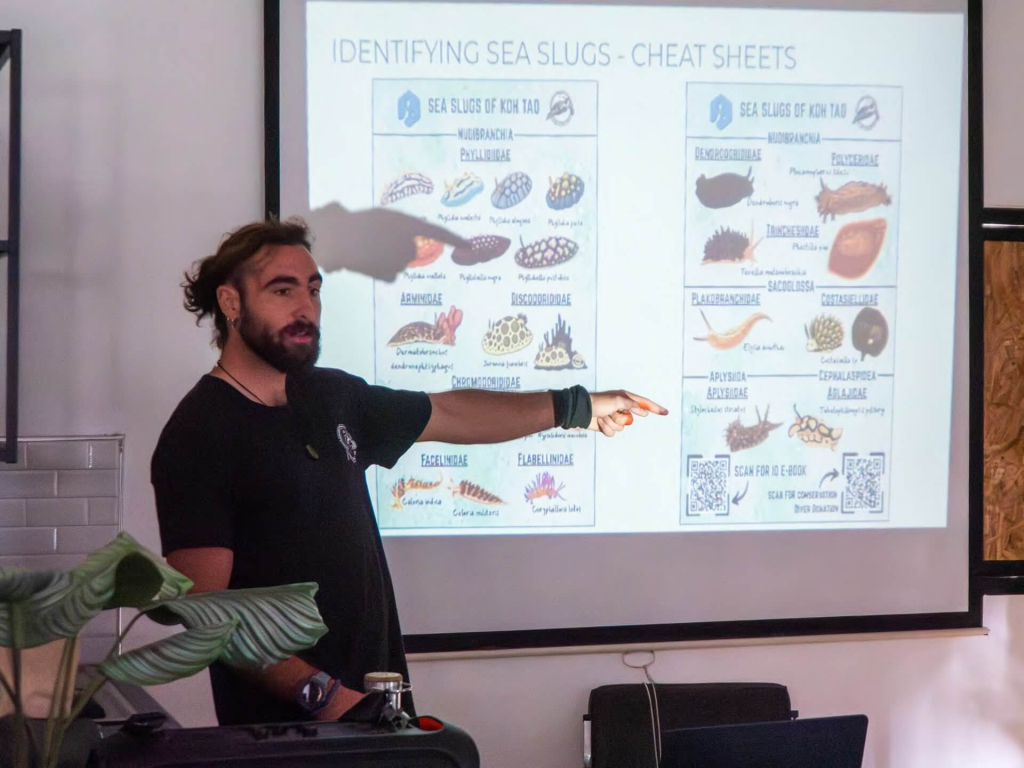
Training begins with classroom lessons on aeolid morphology, hydroid ecology, and identification keys for Koh Tao flabellinids like C. lotos.

Participants then join guided reef surveys, practicing non-invasive observation, photography, and data recording (substrate, hydroid association, behavior).

Graduates contribute to conservation databases, transforming recreational dives into meaningful scientific efforts that help protect Koh Tao’s marine heritage.

External Link Citations and References

Korshunova et al. (2017). Description of Coryphellina lotos.

Mehrotra, R. et al. (2021). An updated inventory of sea slugs from Koh Tao, Thailand. ZooKeys.

Nudibranch Domain: Coryphellina lotos facts and photographs.

Black Turtle Conservation: Nudibranch & Sea Slug Ecology Course.