Take the Next Step in Your Marine Conservation Journey

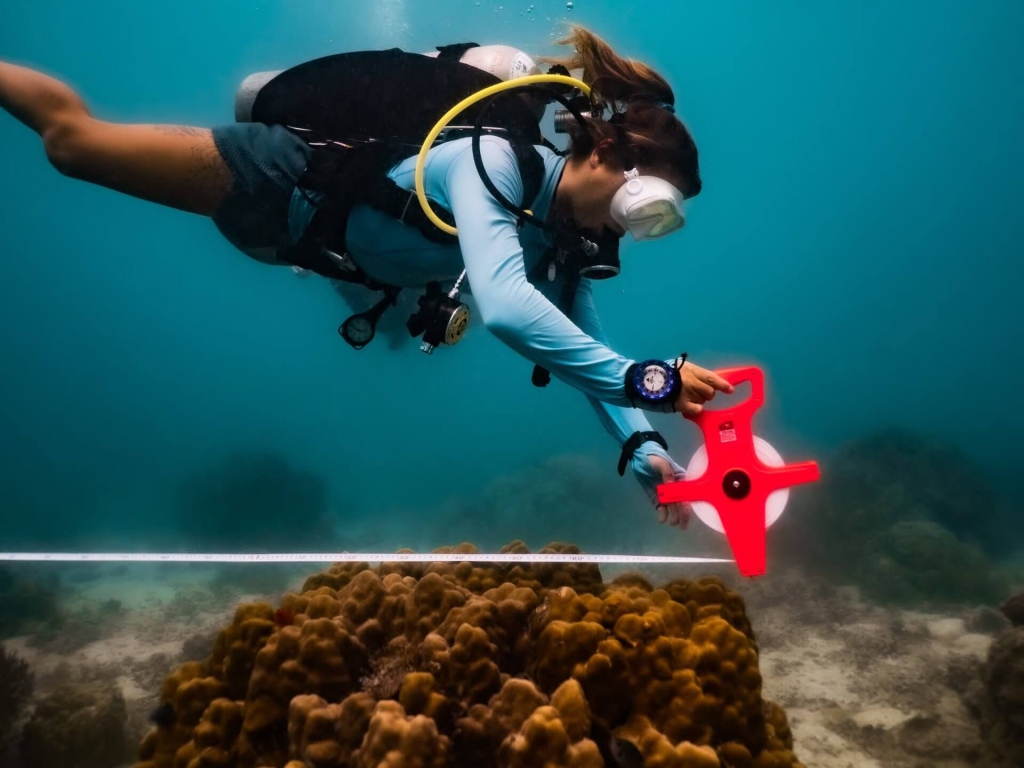
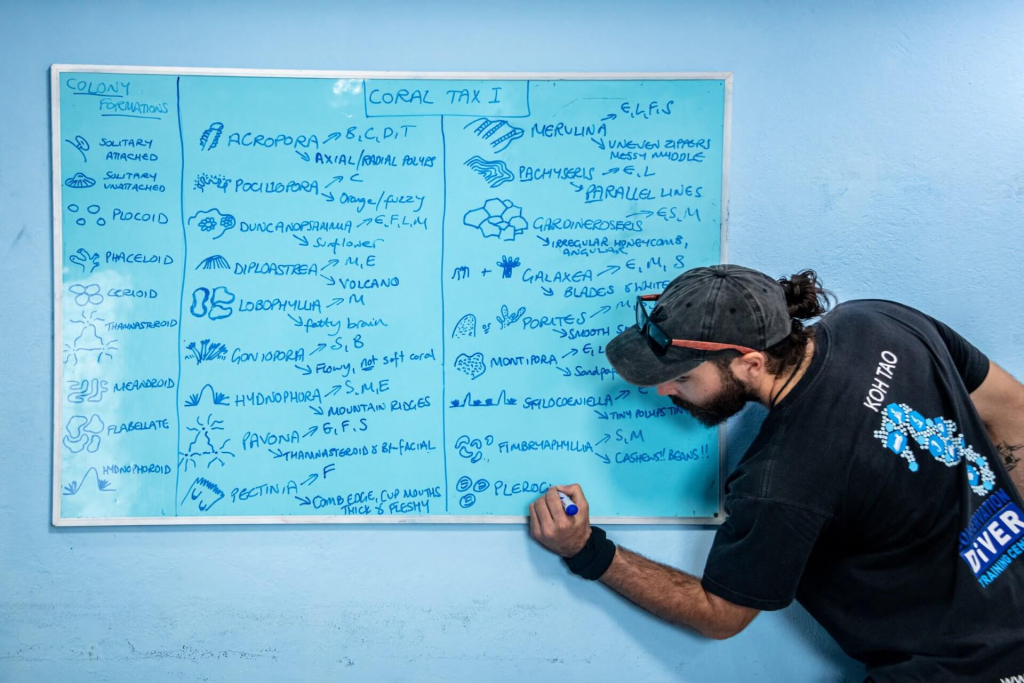
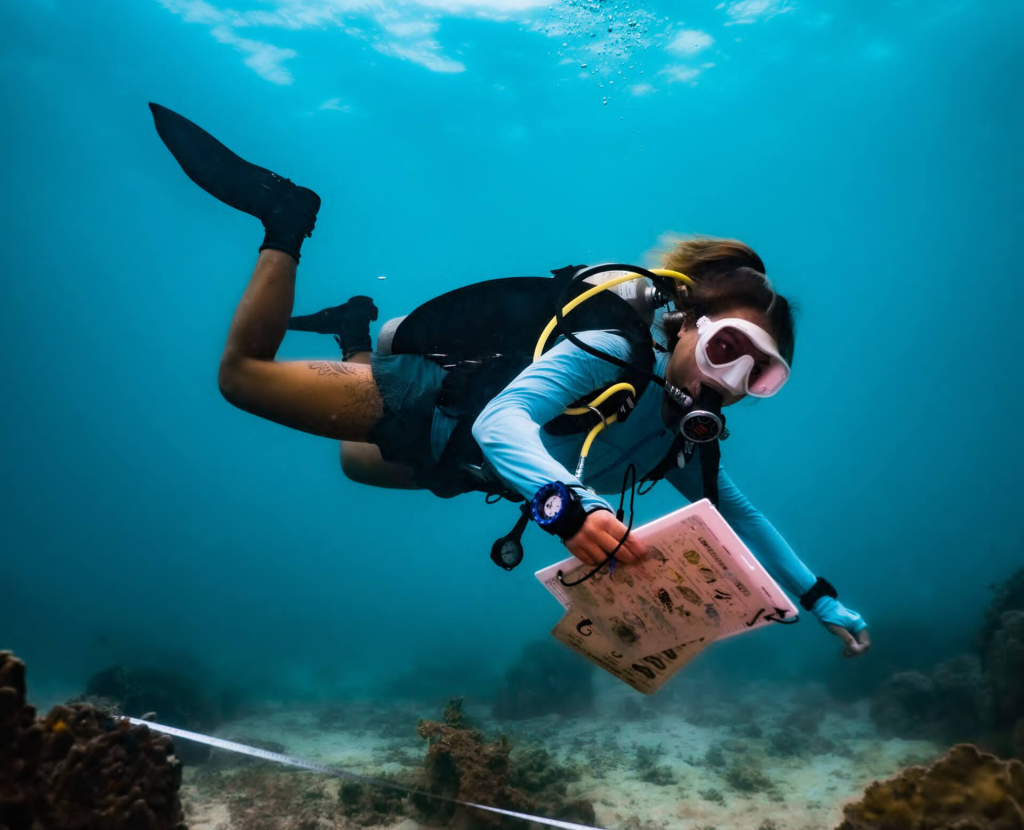
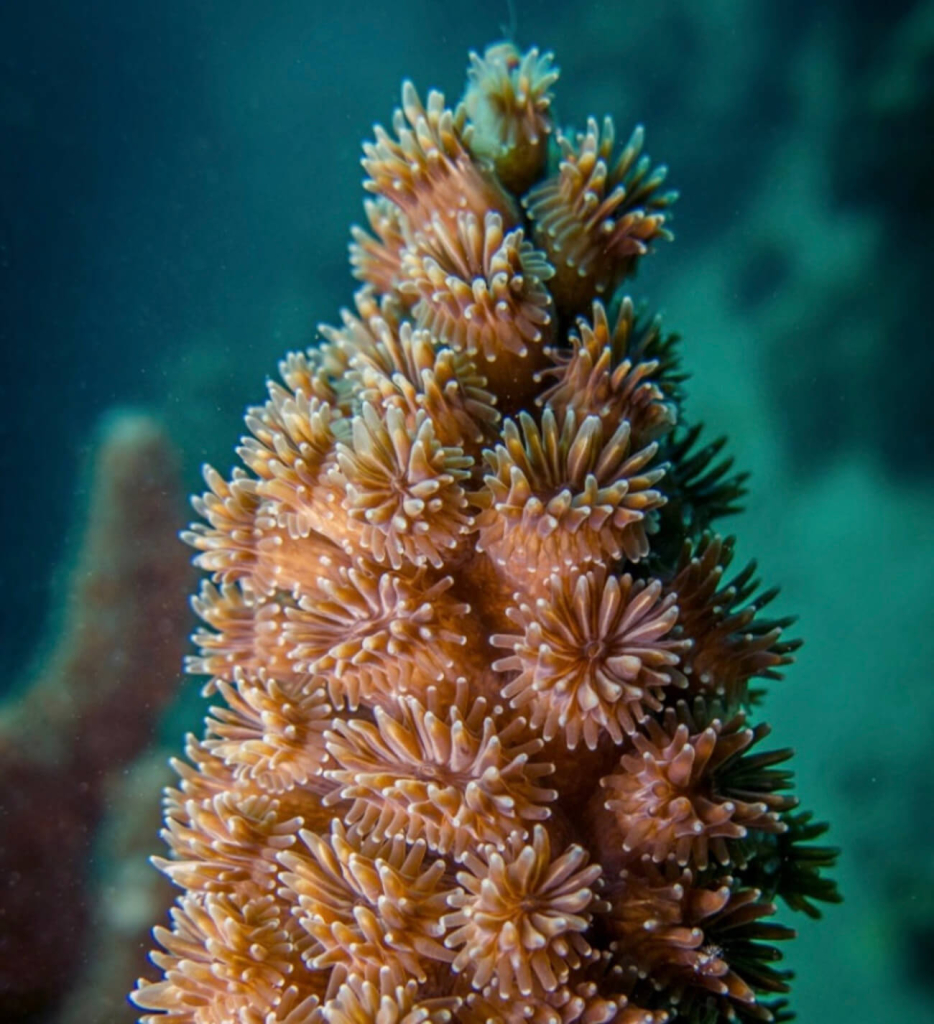
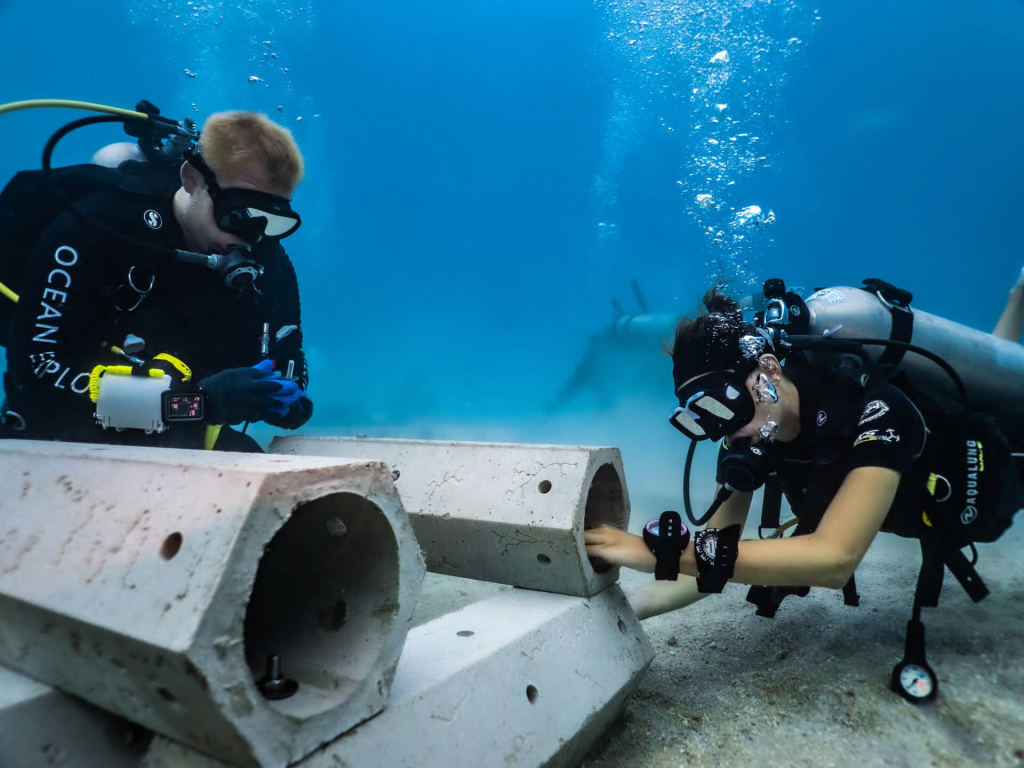
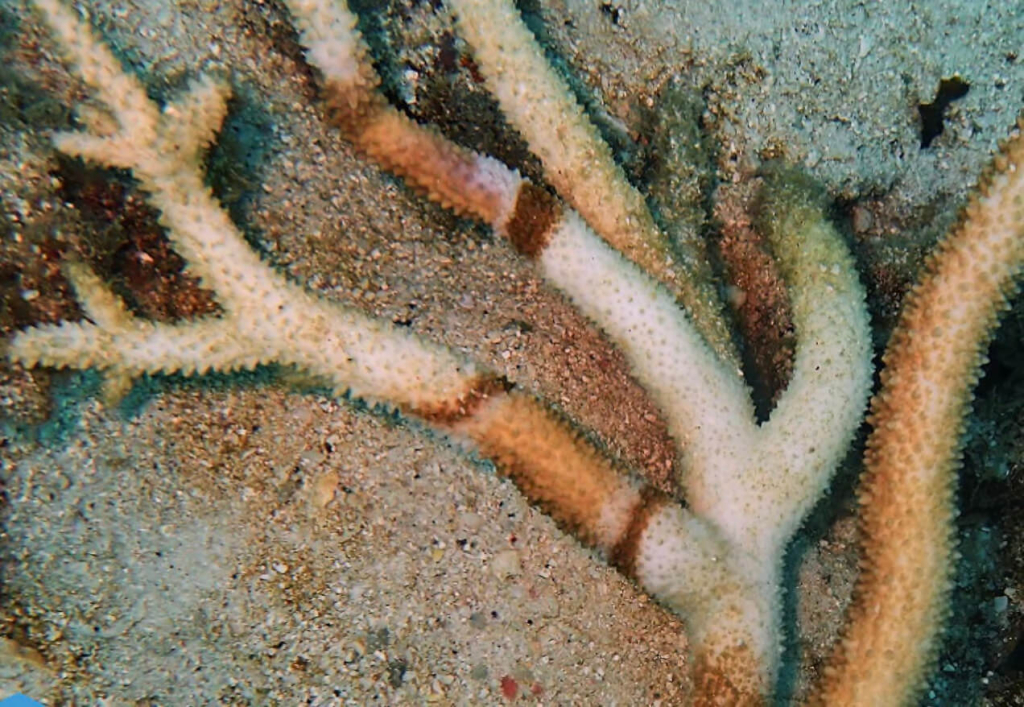
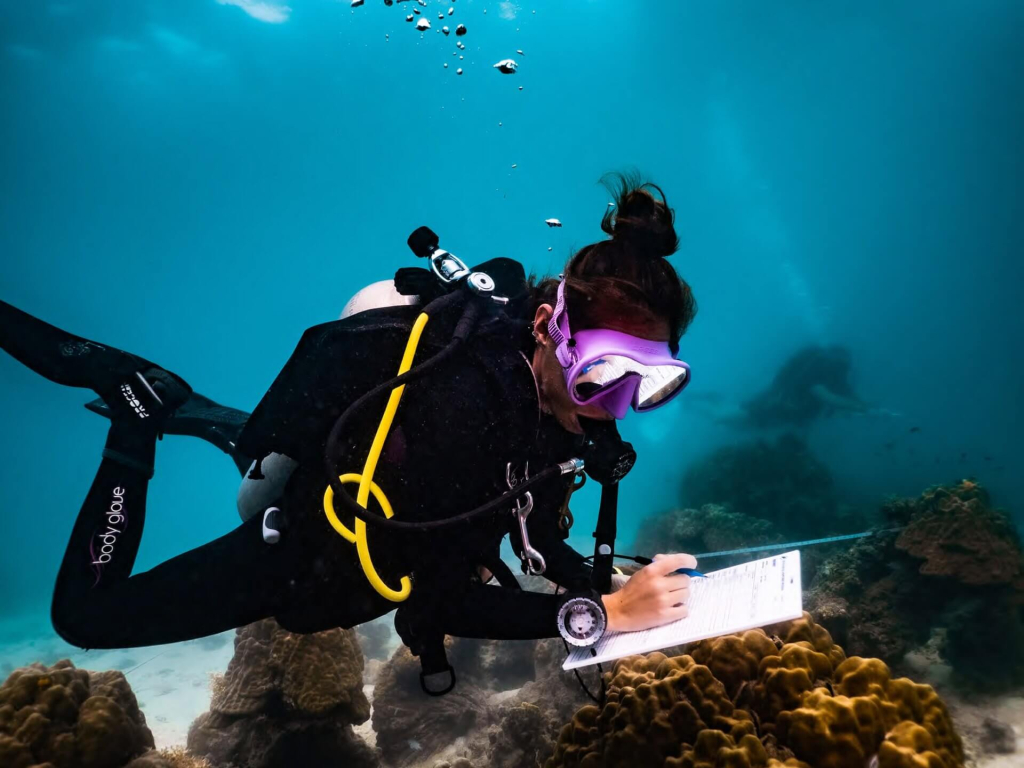
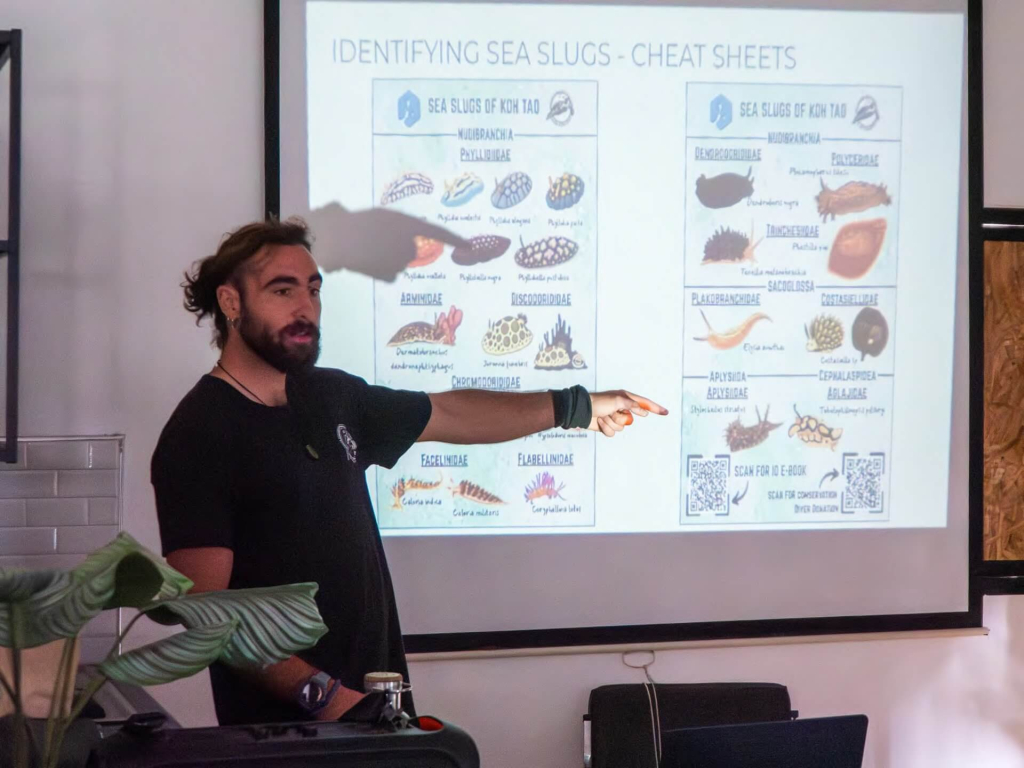
Conservation Specialist students learning coral predator monitoring techniques and reef health assessment during conservation dives in Koh Tao.
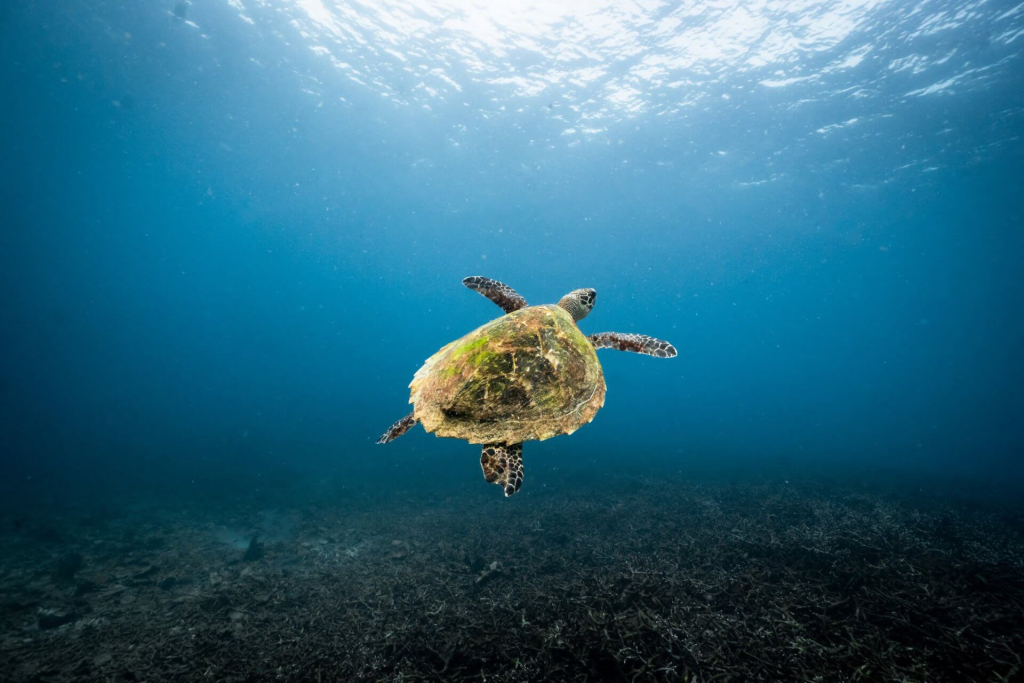
Conservation Specialist students developing reef ecology knowledge through practical dive-based conservation training in Koh Tao, Thailand.
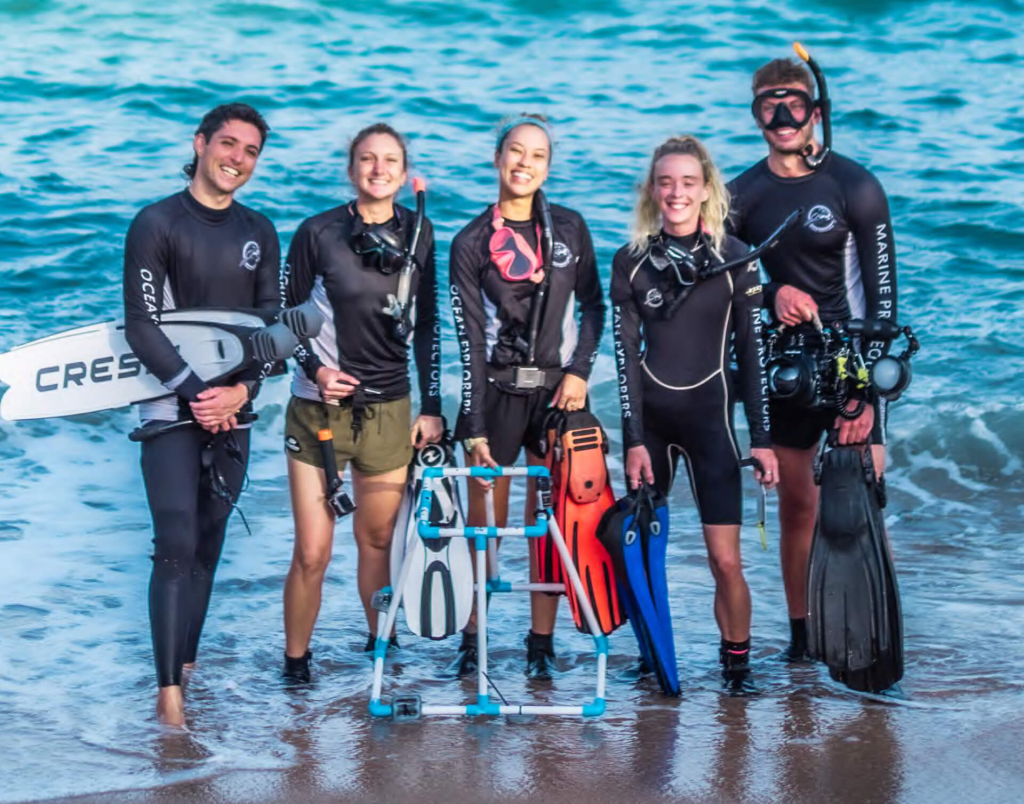
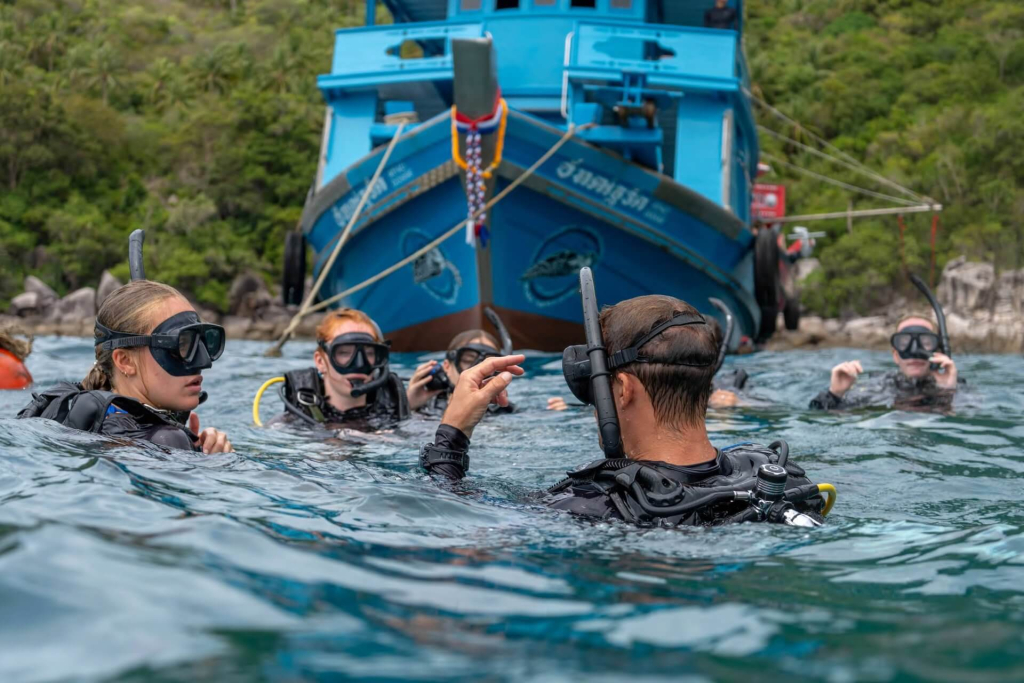
Conservation Specialist students and instructors building teamwork and conservation knowledge during a two-week marine conservation program in Koh Tao.
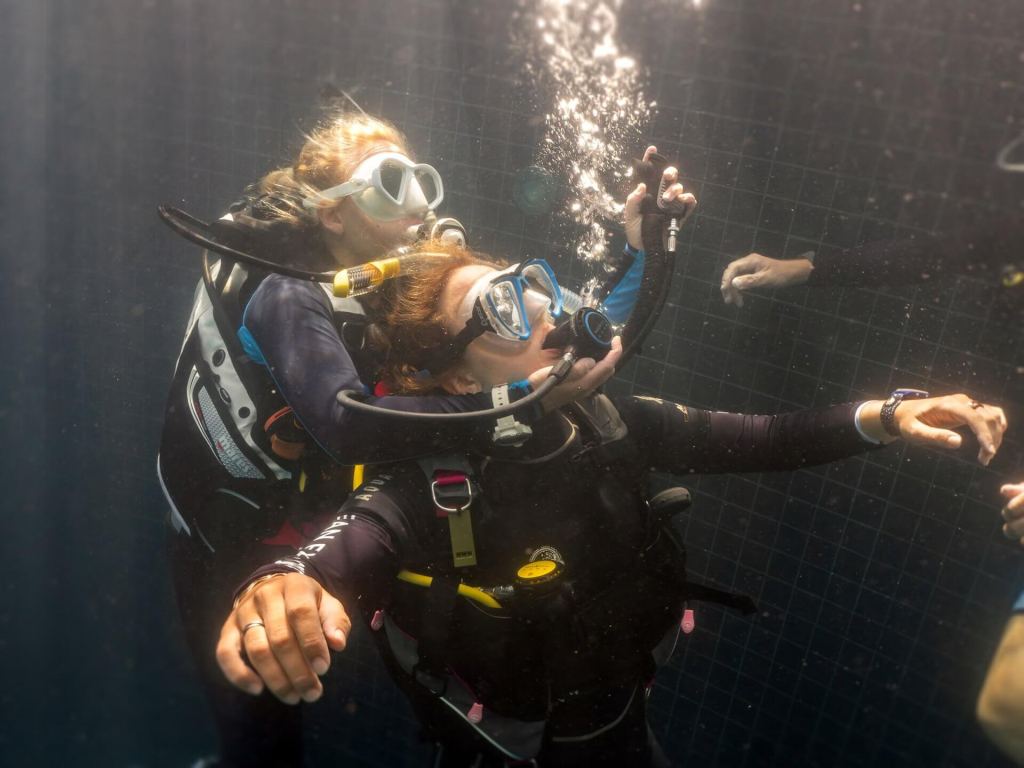
Marine conservation students improving underwater species identification and reef awareness during the Conservation Specialist program in Koh Tao.

Designed for divers who want to go beyond the basics, the Conservation Specialist Program is a 14-day immersive journey into marine conservation science, ecological monitoring, species identification, and real research participation.

This 2-week intensive is ideal if you’re ready to deepen your conservation training, refine survey techniques, and explore advanced ecological topics while working alongside our team and contributing to ongoing research projects.

If you’ve already taken your first steps into conservation or you’re ready for a more in-depth experience than a short program, the Conservation Specialist will allow you to explore marine ecosystems in greater depth and contribute to meaningful ecological research.

Throughout these two weeks, you’ll develop technical diving skills, scientific monitoring capabilities, and a deeper understanding of coral reef ecology — preparing you for advanced specialties or future research pathways.

What you’ll learn:

  • Complete full Ecological Monitoring Program (EMP) training
  • Master coral identification with Coral Taxonomy I & II
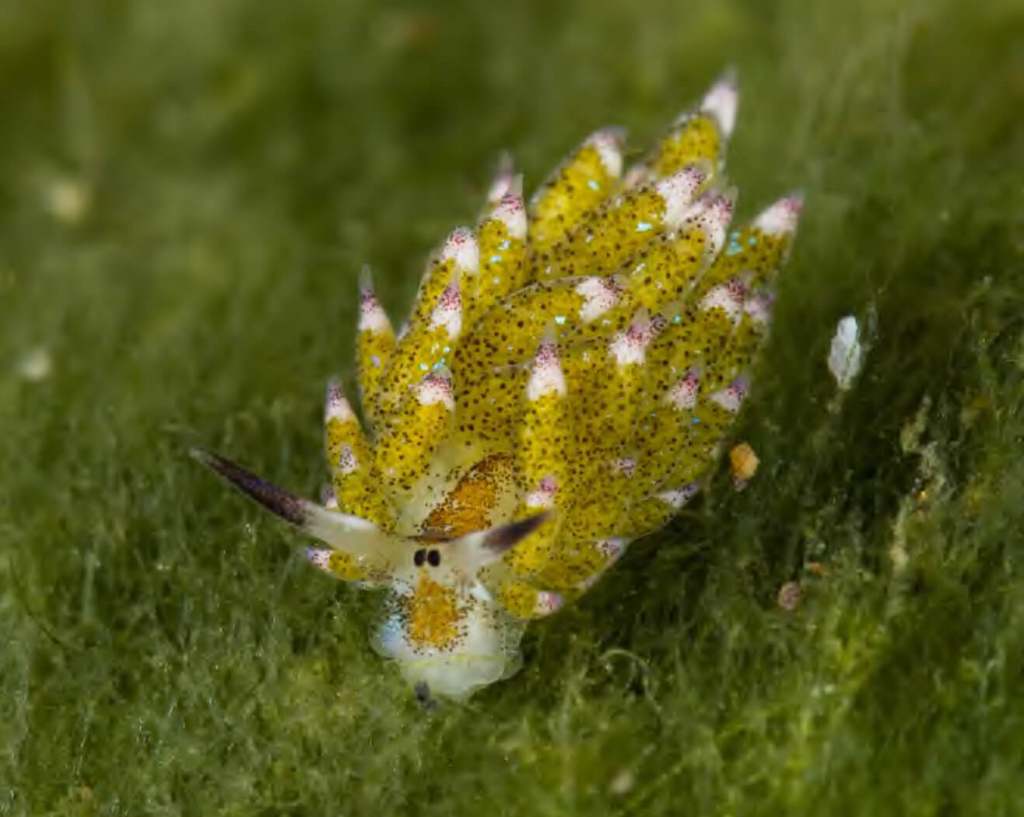
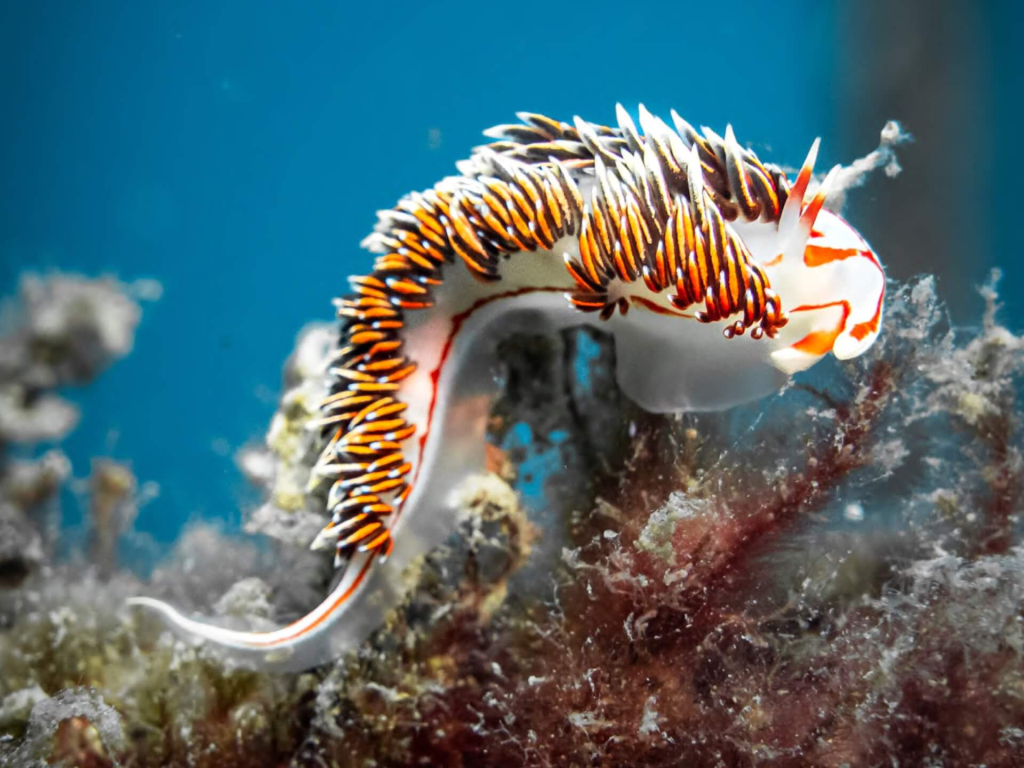
  • Learn sea slug ecology & participate in ongoing biodiversity research
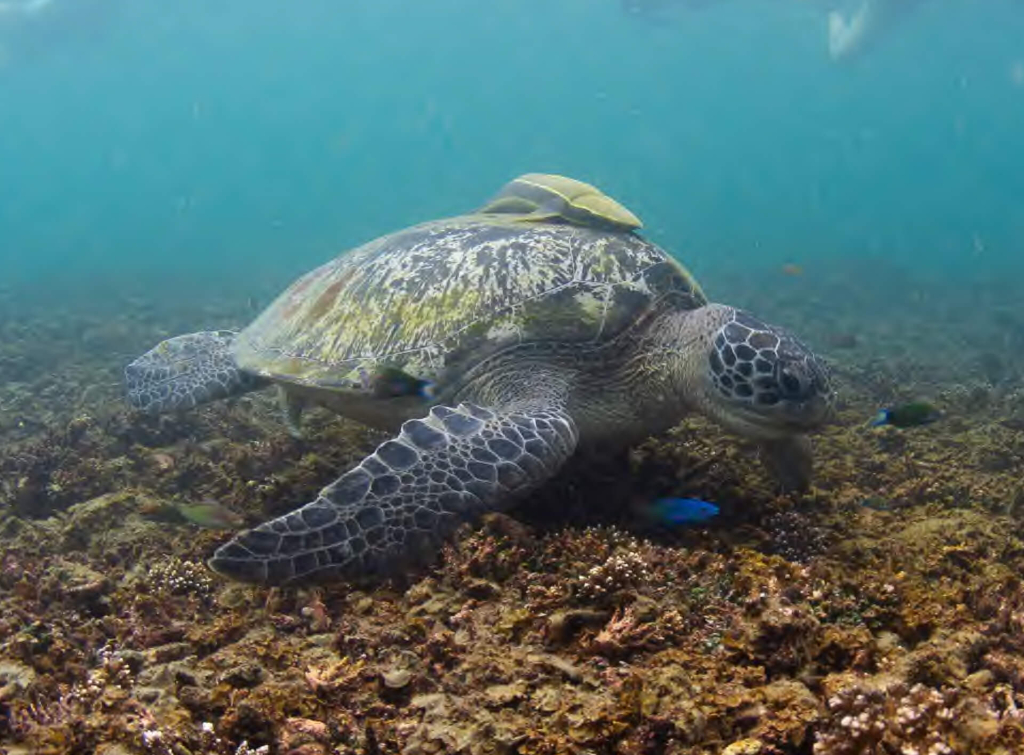
  • Understand sea turtle behavior and monitoring techniques
  • Develop your own Independent Research Project
  • Refine scientific diving methods and data documentation
  • Gain field survey experience in real monitoring and research sites

This program is perfect if you want to:

  • Build a strong foundation for future scientific diving or research
  • Develop applied survey and data interpretation skills
  • Contribute to Black Turtle Conservation’s research projects
  • Prepare for future roles in conservation leadership or training
  • Live and learn alongside like-minded ocean advocates
Contact us

WHY THIS COURSE MATTERS

The Conservation Specialist Program gives you more than theoretical knowledge — it’s a fully immersive conservation experience.

You’ll spend two weeks learning, diving, collecting data, and contributing to real research while exploring one of Thailand’s most dynamic marine ecosystems.

Through this course, you will:

  • Build confidence in ecological monitoring and research diving
  • Develop advanced coral, fish, and invertebrate ID skills
  • Learn how marine systems respond to stress and change
  • Actively contribute to conservation solutions through hands-on work
  • Design and implement your own research initiative
  • Become part of a conservation network committed to long-term impact

This program builds a bridge between passionate divers and scientific conservation practice.

price

33,000 THB

DURATION

14 days

classes

8 classes

DIVES

14 training dives

CERTIFICATION

Ecological Monitoring Program (EMP) Coral Taxonomy & Identification Sea Turtles Ecology & Monitoring BTD Sea Slugs Conservation Specialist Certification

LEVEL REQUIRED

Advanced Open Water
book now

* Not a diver yet? No problem! You can start your journey by learning to dive with us.
Our PADI Open Water and Advanced Open Water courses are the perfect first step before joining our marine conservation programs.

START WITH A DIVING COURSE

Program Structure

The Conservation Specialist Program combines in-depth ecological theory with progressive underwater training, research modules, and your own independent project.

Conservation Specialist
Week 1 Day 1 Day 2 Day 3 Day 4 Day 5 Day 6 Day 7
Morning 07:00
09:00 Study time/e-Learning EMP Fish Lecture Study time/e-Learning EMP Substrate Lecture Coral Taxonomy Lecture Study time/e-Learning
Lunch
Afternoon 12:00 Marine Ecology Lecture Fluid Mechanics Dive EMP Fish Dive Substrate Safari Dive Tax Safari Dive Assessment Tax Dive
14:00 EMP Inverts Lecture Reef Safari Dive EMP Inverts Dive EMP Substrate Dive Tax Safari Dive Assessment EMP Dive
Evening 17:00 Debrief Debrief Debrief Debrief Debrief
Week 2 Day 8 Day 9 Day 10 Day 11 Day 12 Day 13 Day 14
Morning 07:00 Sea Slugs Dive
09:00 Study time/e-Learning BTD Sea Slugs Lecture Sea Slugs Dive Coral Taxonomy II Lecture Independent project Independent project
Lunch
Afternoon 12:00 Independent project Independent project Data Review Tax Safari II Independent project Independent project presentation
14:00 Sea Turtles Independent project Study time / eLearning Tax Safari II Independent project Exams, career advice & Q&A
Evening 17:00 Turtle Snorkel Debrief

* Please note that the following schedule is indicative and may vary.
* Exact times for each session and dive will be confirmed before the course begins.

WEEK 1 – Build the Foundations

Day 1 – Marine Ecology & EMP Invertebrates
Your journey into marine conservation begins by understanding how coral reef ecosystems truly work — not just what lives there, but how everything is connected.

Afternoon – Marine Ecology Lecture

You will start with a deep introduction to tropical reef ecosystems, covering:

  • How coral reefs function as living systems
  • Species interactions such as mutualism, commensalism, and parasitism
  • Energy flow, food webs, and ecological balance
  • What a healthy reef looks like
  • The main threats affecting reefs today, from climate change to pollution and overfishing

This session gives you the ecological framework needed to understand everything you will observe underwater during the week.

Afternoon – EMP Invertebrates Theory

In this second session, you’ll be introduced to the Ecological Monitoring Program (EMP) invertebrate methodology.

You will learn:
  • How to identify key reef invertebrates such as sea cucumbers, sea urchins, Drupella snails, and Crown-of-Thorns starfish
  • Why these species are used as indicator species
  • What their presence, absence, or abundance tells us about reef health
  • How the EMP invertebrate survey works
  • How to interpret invertebrate data during debriefings to assess reef condition

By the end of Day 1, you’ll already be thinking like a reef ecologist.

Day 2 – EMP Fish Theory & Buoyancy for Scientific Diving

Morning – EMP Fish (Chordates) Theory

You’ll start the day learning how reef fish are used as biological indicators in coral reef monitoring.

This session covers:
  • Identification of key EMP fish groups such as parrotfish, rabbitfish, groupers, snappers, and turtles
  • The ecological role of each group (herbivores, predators, coral health indicators)
  • How fish populations reflect reef condition
  • EMP fish survey methodology and counting protocols

You’ll learn not just what these fish are, but what they tell us about reef resilience and degradation.

Afternoon – Fluid Mechanics Dive

This dive is all about becoming a precise, low-impact scientific diver.

You will practice:
  • Buoyancy control
  • Trim and body positioning
  • Finning techniques
  • How to move and stop without damaging the reef

Good buoyancy is essential for conservation work — without it, accurate surveys and reef protection are impossible.

Afternoon – Reef Safari Dive

This is a relaxed, pressure-free exploration dive focused on learning to see the reef through a scientist’s eyes.

You’ll:
  • Search for the indicator species you studied in class
  • Practice fish and invertebrate identification
  • Begin linking theory with real reef observations
  • Build underwater awareness without survey protocols

This dive builds confidence before formal monitoring begins.

Day 3 – EMP Invertebrates & Fish Surveys

Morning – Study & E-Learning

Time to complete your e-learning, review identification materials, and prepare for your first real surveys.

Afternoon – EMP Dives
Dive 1: EMP Fish Survey

You will conduct your first official fish survey using EMP methodology, recording species, abundance, and ecological roles.

Dive 2: EMP Invertebrates Survey

You will perform a full invertebrate transect, identifying and counting indicator species using standardized protocols.

After the dives, you’ll complete a full scientific debrief, where you:

  • Review your data
  • Interpret what it says about reef health
  • Compare sites and patterns
  • Start thinking like a monitoring scientist

Day 4 – EMP Substrate & Reef Structure

Morning – EMP Substrate Theory

This session teaches you how the physical structure of the reef reflects its health.

You will learn to identify and analyse:
  • Living substrate (hard corals, soft corals, sponges, tunicates)
  • Non-living substrate (sand, rubble, rock)
  • Coral growth forms and health status
  • What substrate composition tells us about reef stress, recovery, or degradation
  • How EMP substrate surveys are conducted
Afternoon – Substrate Safari Dive

A guided exploration focused on:

  • Recognising coral growth forms
  • Learning to read reef structure
  • Understanding spatial patterns
Afternoon – EMP Substrate Survey Dive

You’ll now apply the EMP protocol, recording benthic categories and coral health to complete your third core monitoring skill.

This completes your full EMP training cycle:
Fish – Invertebrates – Substrate.

Day 5 – Day Off

A well-earned break to rest, study, enjoy Koh Tao, and let everything settle before moving into coral taxonomy.

Day 6 – Coral Taxonomy & Identification I

Morning – Coral Taxonomy Theory

Now you build on substrate and growth forms to learn coral identification.

You will study:
  • Coral skeletal structure
  • Colony formations
  • How growth form and structure lead to genus identification
  • 18 key coral genera found around Koh Tao
  • The ecological role of different coral groups

This bridges reef structure with true coral science.

Afternoon – Coral Taxonomy Safari Dives
Two guided dives where you will:
  • Search for specific coral genera
  • Practice identifying colonies underwater
  • Use ID slates and visual patterns
  • Learn how to confidently recognise genera in the field

This is where coral reefs start to make sense.

Day 7 – Assessment Dives & Ecological Interpretation

Morning – Study & Review

Time to finalise e-learning and prepare for assessments.

Afternoon – Assessment Dives
Dive 1: EMP Assessment

You will repeat fish and invertebrate surveys independently, demonstrating your ability to collect reliable ecological data.

Dive 2: Substrate + Coral Taxonomy Assessment

You will conduct a substrate survey while also identifying hard coral genera within the transect.

This combines everything:
  • Reef structure
  • Living and non-living substrate
  • Coral health
  • Coral taxonomy

After the dive, you’ll complete a full ecological debrief, interpreting what your data reveals about reef condition, resilience, and stress.

This is where you stop being a student — and start being a conservationist.

WEEK 2 – Applied Research & Specialisation

This second week takes you from structured monitoring into real conservation work, where you begin contributing to ongoing research projects and developing your own area of focus.

Day 8 – Independent Project & Sea Turtle Ecology

Morning – Study & Independent Project Time

The morning is dedicated to finishing any remaining e-learning and beginning your Independent Project.

You will explore possible research topics such as coral health, fish communities, invertebrates, sea slugs, turtles or human impact. One of our instructors will be assigned as your mentor, helping you shape a realistic research question and define what data you will collect over the coming days.

Afternoon – Sea Turtle Ecology Lecture

You will learn about:

  • Sea turtle anatomy and species found around Koh Tao
  • Feeding ecology and migration
  • Their role in reef and seagrass ecosystems
  • Threats such as fishing, boat strikes, plastic pollution and disease
Afternoon – Sea Turtle Snorkel Survey

Snorkelling allows longer observation times and higher chances of turtle encounters.
You will learn how to:

  • Identify individual turtles
  • Record behaviour such as feeding and resting
  • Assess shell condition and injuries
  • Contribute data to local monitoring efforts

This session connects you directly with Koh Tao’s resident turtle population and shows how citizen science supports real conservation.

Day 9 – Sea Slug Ecology & Research

Morning – Sea Slug Theory

Introduction to sea slugs and nudibranchs, including:

  • Their biology and defence strategies
  • Different groups and colour patterns
  • How to identify common Koh Tao species
  • Their role in reef food webs

You will also be introduced to Black Turtle Dive’s ongoing sea slug research project and how divers contribute data to long-term biodiversity monitoring.

Afternoon – Independent Project Development

You will continue working on your Independent Project:

  • Finalising your topic
  • Designing your data collection plan
  • Learning how your project connects to conservation or research

Your mentor will support you in keeping your project focused and achievable within the program timeframe.

Day 10 – Sea Slug Surveys & Data Processing

Morning – Sea Slug Monitoring Dives

Two dedicated sea slug dives where you will:

  • Search for and identify nudibranchs and sea slugs
  • Record species, habitat and behaviour
  • Practise survey methodology used in the research project

These dives allow you to directly contribute to Black Turtle Dive’s in-house biodiversity database.

Afternoon – Data Entry & Project Work

After returning from the boat you will:

  • Upload and verify your sightings
  • Cross-check species identifications
  • Learn how research databases are managed

You will also continue working on your Independent Project using the data you have collected so far.

Day 11 – Day Off

A full rest day to:

  • Review your notes
  • Continue project work if needed
  • Recover physically and mentally
  • Enjoy Koh Tao

This pause helps you process everything learned so far before moving into advanced coral identification.

Day 12 – Coral Taxonomy II

Morning – Advanced Coral Taxonomy

You will learn an additional 15–20 coral genera found on Koh Tao, including:

  • Mushroom corals
  • More complex colony forms
  • Subtle skeletal and growth differences used in field identification

This builds on the coral foundation you developed in Week 1.

Afternoon – Coral Taxonomy Safari Dives

Two guided dives focused on:

  • Identifying new coral genera
  • Refining visual recognition skills
  • Applying taxonomy directly in the field

These dives significantly expand your coral identification accuracy.

Day 13 – Independent Project Development

A full day dedicated to your Independent Project.

You will:

  • Organise and review your data
  • Analyse what you have observed
  • Prepare conclusions or recommendations
  • Build your final presentation

Your assigned instructor mentor will guide you through interpretation and structure.

Day 14 – Project Presentations & Certification

Morning – Final Project Preparation

Time to finalise slides, notes or visual material for your presentation.

Afternoon – Independent Project Presentations

You will present your project to the conservation team, sharing:

  • What you studied
  • How you collected data
  • What you found
  • Why it matters for conservation

This is followed by:

  • A short knowledge review
  • Open Q&A
  • Feedback and guidance for your next steps

The day ends with the awarding of your Conservation Specialist Certificate and diplomas.

By the end of your journey…

You’ll be a certified Conservation Specialist Diver, equipped with:
✔ Multiple conservation certifications
✔ Scientific field experience
✔ A completed research project
✔ Advanced reef monitoring capabilities
✔ A clear pathway to becoming a Research Assistant or pursuing conservation leadership roles

Contact us
Price:
33,000 ฿
BOOK NOW
Includes:
  • 14 conservation dives
  • 3 Conservation Diver certifications:
    •Ecological Monitoring Program (EMP)
    •Coral Taxonomy & Identification
    •Sea Turtles Ecology & Monitoring
  • 1 Black Turtle Dive (BTD) certification:
    •BTD Sea Slugs
  • Full scuba equipment & dive computer
  • Dive insurance
  • Logbook
  • Maximum 4 students per instructor
  • Black Turtle Core Conservationist completion certificate
Prerequisites:
  • Advanced Open Water Diver (or equivalent)

Testimonials

Posted on Google Google
Chee yen Wong profile picture
Chee yen Wong
1 days ago
Google star 1Google star 2Google star 3Google star 4Google star 5Trustindex verifies that the original source of the review is Google.
+1
This dive shop is highly recommended! The diving guide Isbella is very professional, enthusiastic and patient in explaining everything.
Posted on Google Google
matthias p profile picture
matthias p
1 days ago
Google star 1Google star 2Google star 3Google star 4Google star 5Trustindex verifies that the original source of the review is Google.
Ich war jetzt bereits zum wiederholten Male tauchen bei Black Turtle Dive und bin begeistert. Der Service, die Hilfsbereitschaft & Professionalität sind überragend! Vor allem meine Fun Dives mit den Dive Master Nils und Hailey waren perfekt. Danke für diese tolle Erfahrung!!
Posted on Google Google
Amy Burnett profile picture
Amy Burnett
2 days ago
Google star 1Google star 2Google star 3Google star 4Google star 5Trustindex verifies that the original source of the review is Google.
+0
If you’re looking to complete your PADI open water course, I could not recommend Black Turtle Dive more. We completed the 3 day course. Learnt so much about the ocean and the safety behind diving, that we can take forward to any future dives. Our instructors Jaa and Arisa were so encouraging and patient when it came to learning new skills. As well as the incredible dive locations they take you too.
Posted on Google Google
Zoe Clark profile picture
Zoe Clark
2 days ago
Google star 1Google star 2Google star 3Google star 4Google star 5Trustindex verifies that the original source of the review is Google.
+0
If I could give more than 5 stars I would. The staff were so friendly and welcoming as soon as we stepped through the door. Our instructors were more than perfect Jaa and arisa. Could not recommend them more. Hope to dive with them again sometime. Highly recommend
Posted on Google Google
Alya F profile picture
Alya F
3 days ago
Google star 1Google star 2Google star 3Google star 4Google star 5Trustindex verifies that the original source of the review is Google.
Ich durfte meinen Open Water Diver hier absolvieren und war wirklich sehr zufrieden. Meine Tauchlehrerin war Nadine, sie ist wirklich mega super! Ich habe mich in der Ausbildung immer sehr wohl und verstanden gefühlt. Sie hat mich immer mit viel Geduld und Passion in meinem Lernprozess begleitet, VIELEN DANK Nadine! Ich schätze generell bei Black Turtle die Professionalität und Hilfsbereitschaft sehr! Man merkt das sie viel Leidenschaft im Tauchen leben (das ganze Team) und ihnen Sicherheit beim Tauchen sehr wichtig ist. Ich habe mich vom Empfang bis zur letzen Ausbildungseinheit gut betreut und beraten gefühlt. Komme gerne wieder 🤟🏼
Posted on Google Google
Federico Bertorello profile picture
Federico Bertorello
4 days ago
Google star 1Google star 2Google star 3Google star 4Google star 5Trustindex verifies that the original source of the review is Google.
Hice el curso de open water, la atención de las chicas 10! Mi instructora Rhi excelente!
Posted on Google Google
Toby profile picture
Toby
4 days ago
Google star 1Google star 2Google star 3Google star 4Google star 5Trustindex verifies that the original source of the review is Google.
If your looking for low cost, high quality dive school to do your scuba open waters and/or more through, black turtle is the place to go. Ask around for an instructor named Naim and a soon-to-be instructor named Annie. They were great company and even better instructors. Strongly recommend.
Posted on Google Google
Miriam schlenker profile picture
Miriam schlenker
4 days ago
Google star 1Google star 2Google star 3Google star 4Google star 5Trustindex verifies that the original source of the review is Google.
Posted on Google Google
Michael Clarke profile picture
Michael Clarke
4 days ago
Google star 1Google star 2Google star 3Google star 4Google star 5Trustindex verifies that the original source of the review is Google.
Chae was awesome. Super patient and helpful with the refresher course we did together. I had some serious trouble equalising and he kept me calm, was really understanding, and managed to get me down for two great experiences. Totally recommend him and the whole staff.
Posted on Google Google
Mats Lory profile picture
Mats Lory
5 days ago
Google star 1Google star 2Google star 3Google star 4Google star 5Trustindex verifies that the original source of the review is Google.
Amazing dive center, super professional and chill people!
Conservation Specialist student recording marine survey data underwater as part of hands-on reef monitoring training in Koh Tao, Thailand.

Keep Learning

Continue your conservation journey by advancing into specialized research areas by extending your stay:

+2 weeks — Reef Specialist
Advanced your training experience with a program focused on reef restoration, artificial reef design, marine pollution monitoring, and high-level coral identification.

+2 weeks — Master Conservationist
Deepen your research abilities and take part in more advanced ecological science modules and project expansion.

+2 weeks — Scientific Diver
Learn scientific diver survey methods, contribute to research at an advanced level, and assist upcoming students in training.

You can also specialize further with individual 1-day courses such as:
• Coral Restoration Theory & Techniques
• Artificial Reefs Theory & Techniques
• Shark Ecology

Each addition strengthens your scientific impact and prepares you for roles in marine research, conservation leadership, and long-term ecosystem management.

ECOLOGICAL MONITORING PROGRAM

Prerequisites: AOW

The Ecological Monitoring Program (EMP) introduces reef survey methods and scientific diving techniques. You’ll learn to assess fish, invertebrates, substrate, and coral health, and report your findings to an international database.

Coral Taxonomy & Identification

Prerequisites: AOW + EMP

Learn to identify coral species based on skeletal and anatomical characteristics, both on land and underwater.

This course builds essential skills for research, restoration, and monitoring projects.

NUDIBRANCH & SEA SLUG ECOLOGY

Prerequisites: AOW + EMP

Dive into the world of nudibranchs and sea slugs, key indicators of reef biodiversity and water quality. You’ll explore their taxonomy and ecology while participating in an ongoing research project at Black Turtle Conservation.

CORAL RESTORATION THEORY & TECHNIQUES

Prerequisites: AOW + EMP

Explore the science behind coral restoration.

You'll learn about restoration strategies, site selection, coral health assessment, and attachment methods.

ARTIFICIAL REEF THEORY & TECHNIQUES

Prerequisites: AOW + EMP + Coral Restoration

Artificial reefs help restore damaged habitats and provide alternative dive sites. You’ll explore the science behind their design and even create your own reef project as a classroom exercise.

CORAL PREDATORS: POPULATION MANAGEMENT & MONITORING

Prerequisites: AOW + EMP

Identify and monitor coral predators such as crown-of-thorns starfish and Drupella snails, and understand their impact on reef health.

This course teaches practical techniques for population control and long-term reef protection.

ADVANCED CORAL TAXONOMY

Prerequisites: AOW + EMP + Coral Taxonomy

Expand your coral identification skills by learning to recognize more challenging and rare genera.

This course deepens your knowledge of skeletal and anatomical traits, strengthening your abilities for advanced research and monitoring.

CORAL DISEASES & COMPROMISED HEALTH

Prerequisites: AOW + EMP + Coral Taxonomy

Discover how to identify and record common coral diseases and signs of stress in reef ecosystems.

This course equips you with the skills to assess reef health and contribute valuable data to monitoring efforts.

ADVANCED EMP

Prerequisites: AOW + EMP + Coral Taxonomy + Coral Disease + 3 Monitoring Courses

Gain experience using additional monitoring techniques, including quadrants, transects, and advanced survey methods. This course enhances your ability to collect accurate data and analyze long-term changes in reef ecosystems.

SEA TURTLE ECOLOGY & MONITORING

Learn about the ecology, behavior and threats facing sea turtles, all of which are endangered. Develop skills in turtle ID and data collection, allowing you to contribute to real conservation initiatives by recording sightings to support ongoing monitoring efforts in Koh Tao and internationally.

SHARK ECOLOGY & POPULATION STUDIES

Sharks play a crucial role as apex predators, yet many species are now critically endangered. Explore their evolution, anatomy, and ecological role. Learn population monitoring techniques and how to contribute to local and global shark databases to aid conservation efforts.

CORAL WATCH SPECIALITY

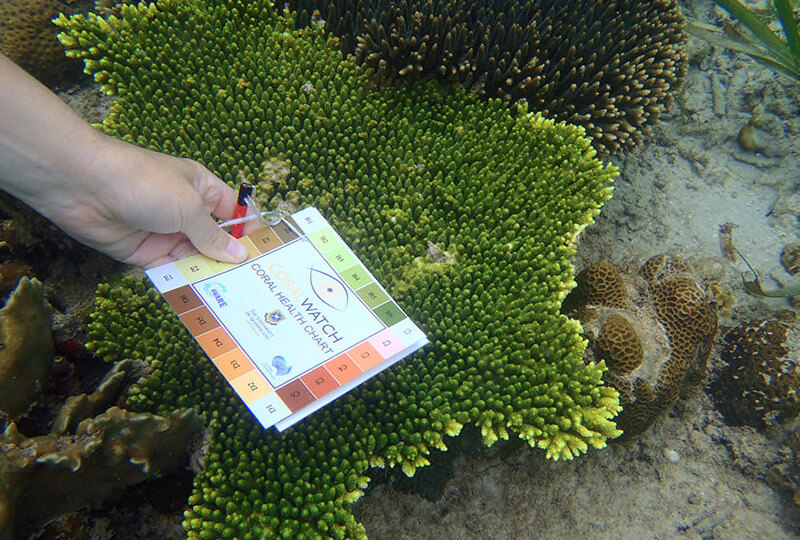
Learn how to assess coral health and contribute to a global monitoring effort using a powerful method developed by CoralWatch and supported by PADI AWARE. Gain insight into coral biology, bleaching, and climate change, while participating in real reef surveys.

PLASTIC POLLUTION: MONITORING & ASSESSMENT

Learn about the scale and impact of plastic pollution in the ocean. Gain hands-on experience monitoring microplastics and help protect reef ecosystems by removing macroplastics.

3 DAY PADI OPEN WATER DIVER

PADI ADVANCED OPEN WATER DIVER

PADI RESCUE DIVER + EMERGENCY FIRST RESPONSE (EFR)

Contact us

Grow Your Skills with Our Conservation Programs

All our marine conservation programs begin with the Ecological Monitoring Program (EMP), providing a solid foundation in scientific diving and hands-on conservation.

From there, you can continue learning through our carefully designed programs, which follow a progression we’ve developed to maximize learning and practical experience. Each course builds on the last, helping you
develop your skills step by step while contributing to meaningful conservation projects.

Whether your goal is to specialize in coral restoration, turtle research, or broader reef monitoring, our programs guide you along a clear path, so you can grow as a marine conservationist while enjoying every step of the journey.

CONSERVATION SPECIALIST

  • EMP
  • Coral Taxonomy
  • Sea turtles
  • BTD Sea slugs

REEF SPECIALIST

  • Coral Restoration
  • Artificial Reefs
  • Coral Taxonomy III
  • BTC Marine Pollution

MASTER CONSERVATIONIST

  • Giant Clams
  • BTD Cleaning Stations
  • BTD Coral Predators
  • Sharks

SCIENTIFIC DIVER

  • Image J
  • Coral Disease
  • Advanced EMP

Learning Pathway

← Scroll horizontally to see full pathway →

courses

ANY LEVEL

Open to Divers & Non-Divers
  • Sea Turtle Ecology & Monitoring
  • Coral Watch Speciality
  • Shark Ecology & Population Studies
  • Plastic Pollution: Monitoring & Assessment

ADVANCED DIVERS

AOW Required
Ecological Monitoring Program (EMP)
  • Coral Taxonomy & Identification
    • Advanced Coral Taxonomy
    • Coral Disease Monitoring
  • Nudibranch & Sea Slug Ecology
  • Coral Restoration Theory & Techniques
    • Artificial Reefs Theory
  • Coral Predators Monitoring & Mgmt
Advanced
EMP

programs

ANY LEVEL

Open to Divers & Non-Divers
3 days

CITIZEN SCIENCE

  • Coral Watch Speciality
  • Citizen Science Initiatives
  • Marine Ecology

This infographic shows the progression of the different marine conservation courses and programs we offer at Black Turtle Conservation.

Developed in collaboration with Conservation Diver, PADI AWARE, and our own in-house certifications, these courses and programs provide hands-on opportunities to learn, dive, and actively contribute to real conservation and research efforts.

ADVANCED DIVERS

AOW Required
1 week

CORE CONSERVATIONIST

  • EMP
  • Coral Taxonomy I
2 weeks

CONSERVATION SPECIALIST

  • EMP
  • Coral Taxonomy I & II
  • Sea Turtles
  • BTD Sea Slugs
+ 2 weeks

REEF SPECIALIST

  • Coral Restoration
  • Artificial Reefs
  • Coral Taxonomy III
  • BTD Marine Pollution
+ 2 weeks

MASTER CONSERVATIONIST

  • Giant Clams
  • BTD Cleaning Stations
  • BTD Coral Predators
  • Sharks
+ 2 weeks

SCIENTIFIC DIVER

  • Image J
  • Coral Disease
  • Advanced EMP

pro

PROFESSIONAL LEVEL

Dive Master Required

RESEARCH
ASSISTANT

INSTRUCTOR
DEVELOPMENT
COURSE (IDC)

EMP
INSTRUCTOR

EMP

SPECIALITY
INSTRUCTOR

EMP + ≥5 courses

MASTER
INSTRUCTOR

EMP + ≥10 courses

INSTRUCTOR
TRAINER

← Scroll horizontally to see full pathway →
Contact us

FREQUENTLY ASKED QUESTIONS

What is the Conservation Specialist Program and who is it for?

The Conservation Specialist Program is a 14-day immersive marine conservation training course on Koh Tao. It’s ideal for certified divers who want to gain in-depth knowledge of reef ecosystems, actively contribute to research projects, and develop scientific diving and monitoring skills. If you’re passionate about marine conservation and want more than a basic introduction, this program is the perfect path.

What are the entry requirements for the Conservation Specialist Program?

You must be a certified Advanced Open Water Diver (or equivalent). No previous conservation or research experience is required. If you haven’t completed any specialty courses yet, this program will guide you step by step from the fundamentals to advanced field application.

What certifications do I receive upon completion?

You will earn three Conservation Diver certifications (Ecological Monitoring Program, Coral Taxonomy & Identification, Sea Turtle Ecology & Monitoring), one Black Turtle Dive certification (Sea Slug Ecology & Monitoring), and the official Black Turtle Conservation Specialist Certificate. These recognitions demonstrate your ability to perform scientific surveys and participate in real conservation projects.

Will I participate in real marine conservation and research activities?

Yes. Throughout the program you will collect field data, contribute to ongoing research on topics such as sea slug biodiversity and coral health assessment, and work alongside experienced conservation professionals. Your independent project allows you to design and implement your own conservation or research initiative.

What types of dives are included in the Conservation Specialist Program?

The program includes 14 conservation-focused dives such as survey dives, buoyancy training, coral taxonomy safaris, scientific monitoring dives, sea slug ecology dives, and assessment dives. Each dive is designed to build your skills progressively, preparing you for advanced conservation projects.

How does the Conservation Specialist Program differ from the Core Conservationist Program?

The Core Conservationist is a 7-day introductory course ideal for beginners. The 14-day Conservation Specialist is more advanced and research-focused, designed for divers who want a deeper learning experience and the opportunity to complete an independent project. You do not need to take both—choose based on your availability and conservation goals.

Can I book the Conservation Specialist Program together with other courses or extend my training?

Yes. You can either extend your stay to two or more weeks by combining this program with additional specialty courses, or return in the future to continue your conservation development. Popular additions include shark monitoring, coral restoration, marine plastics, artificial reefs, coral disease, coral predators or advanced taxonomy.

Do I need to have research experience to join the program?

No. The program is structured to guide you from beginner-level ecological understanding to being confident in data collection and analysis. You’ll learn research skills step by step, with full instructor support.

What can I do after completing the Conservation Specialist Program?

You can continue your conservation development with advanced specialty courses, or move towards becoming a Reef Specialist. Many students progress into longer-term internships, scientific projects, academic collaborations or profesional-level conservation programs.

Why choose Black Turtle Conservation in Koh Tao for this program?

Black Turtle Conservation is a science-driven marine conservation center run by conservation professionals and Conservation Diver Instructor Trainers. Our programs are focused on real research, hands-on learning and practical conservation action. You’ll be trained on active research sites using internationally recognized protocols, in small groups with personalized mentorship.

Still have questions?

contact us