Coral reefs are among the most threatened ecosystems on Earth — but with the right knowledge and techniques, divers can play a meaningful role in their recovery.
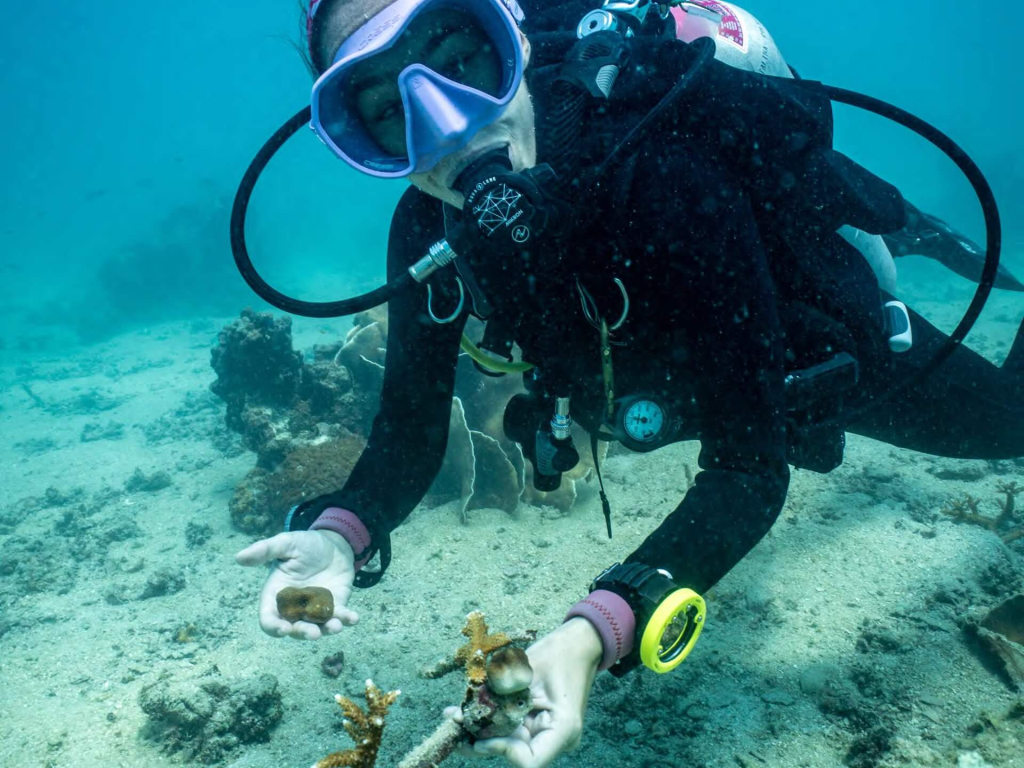
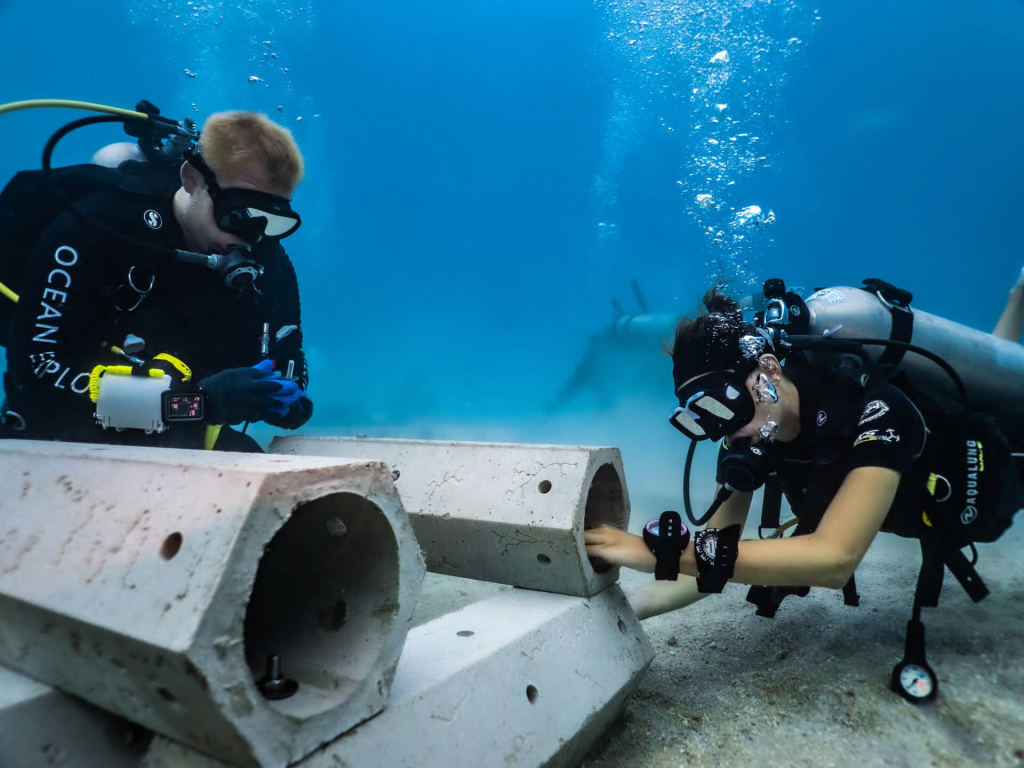
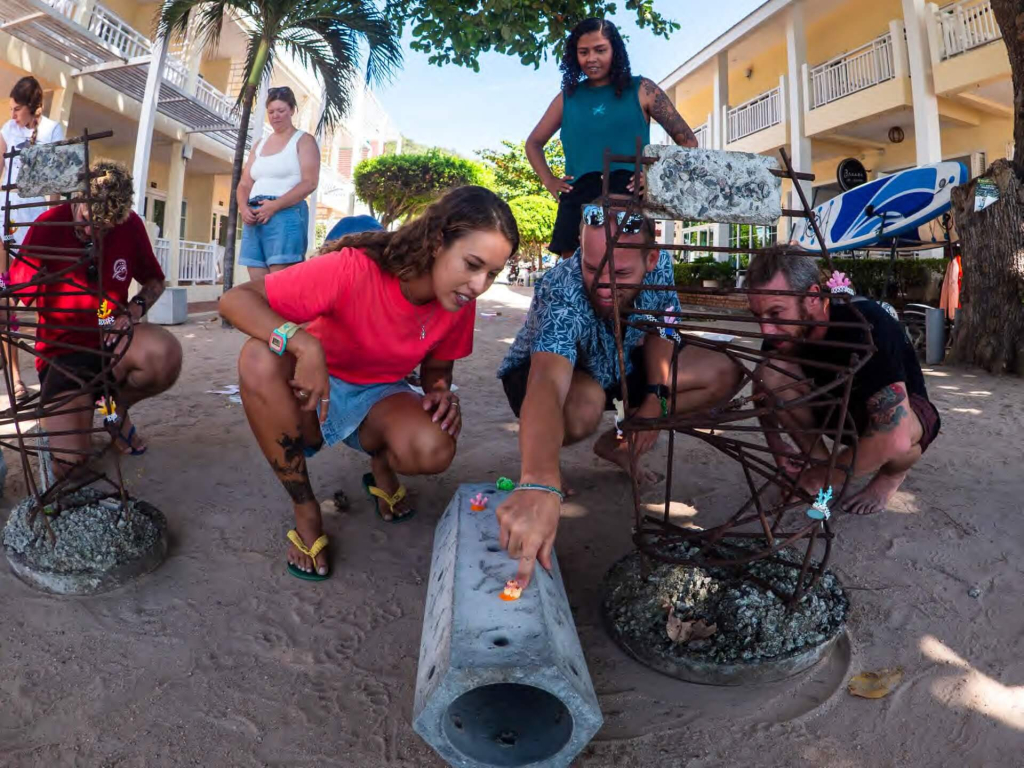
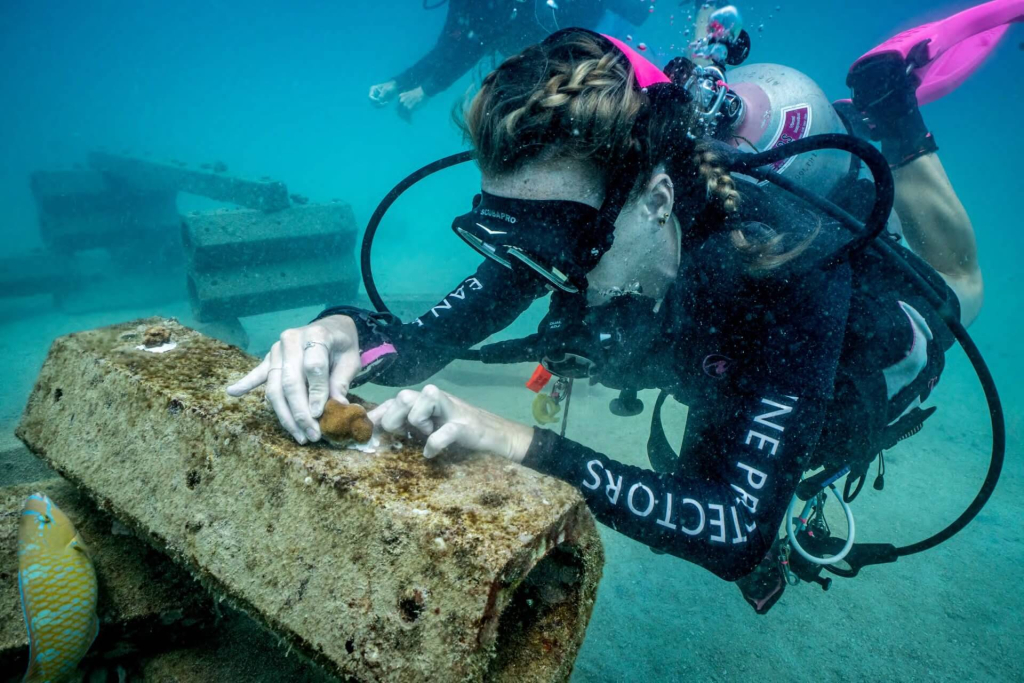
In this 1-day hands-on course, you’ll learn when and why a reef needs restoration, how to safely attach coral fragments using conservation-grade methods, and how to maintain and monitor restoration sites over time.
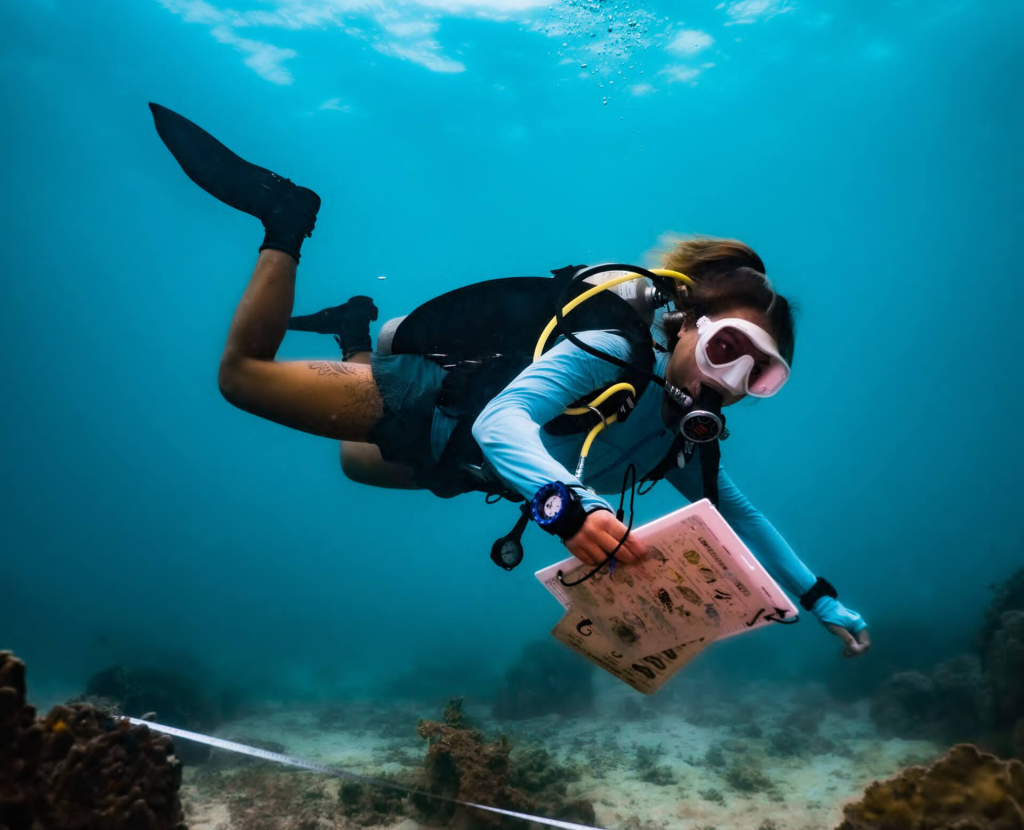
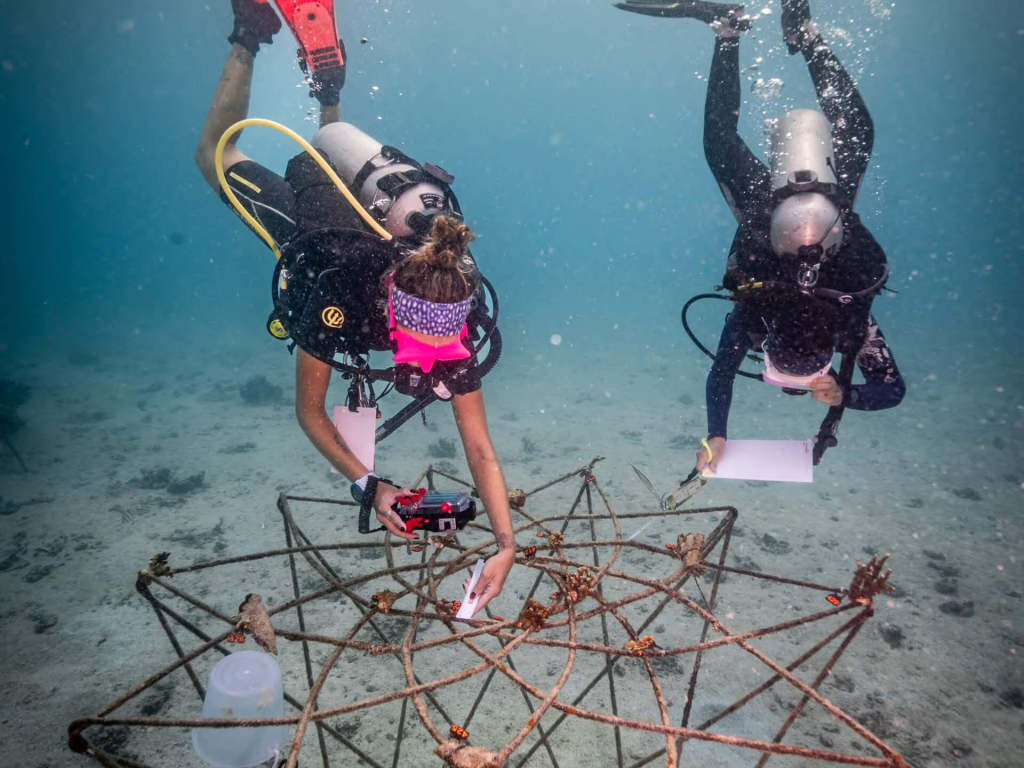
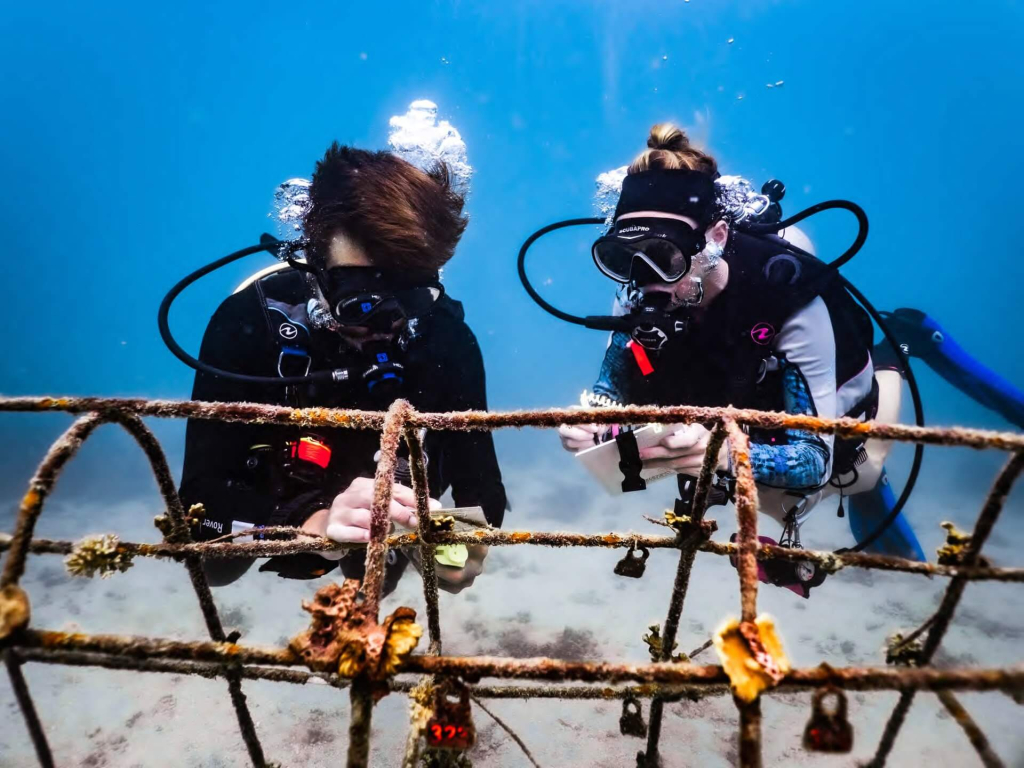
You’ll also contribute to our ongoing research project investigating the success rates of different attachment techniques used in Koh Tao, giving you real scientific experience while helping protect the reef.
*All restoration work at Black Turtle Conservation is carried out under authorization from the Department of Marine and Coastal Resources (DMCR) — Thailand’s government agency responsible for protecting and managing the country’s marine ecosystems. This ensures that all our coral restoration and monitoring projects follow national conservation standards, promote sustainable reef recovery, and contribute valuable data to Thailand’s long-term marine management efforts.
Coral restoration is a powerful tool for reef recovery — but only when based on science, proper techniques, and long-term monitoring.
Our Coral Restoration Theory & Techniques course teaches you when restoration is appropriate, how to do it effectively, and how to maintain its success over time. You’ll learn using real examples from our restoration sites, and you’ll directly participate in active research analyzing which attachment methods yield the highest survival rates on Koh Tao’s reefs.
What you’ll learn:
- How to determine whether a reef site requires restoration
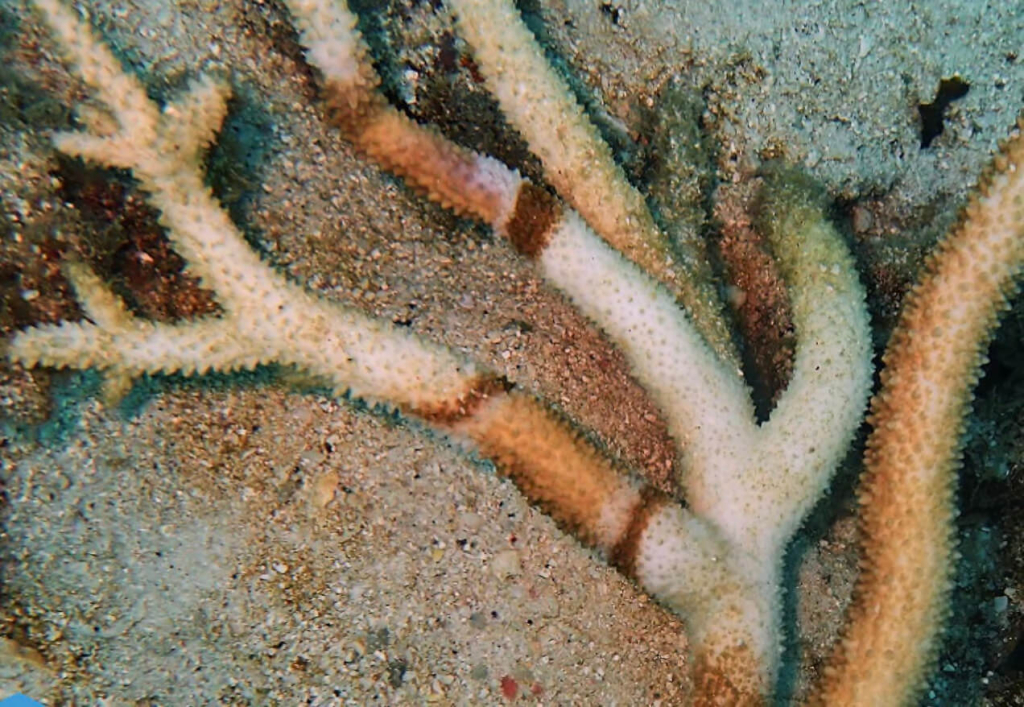
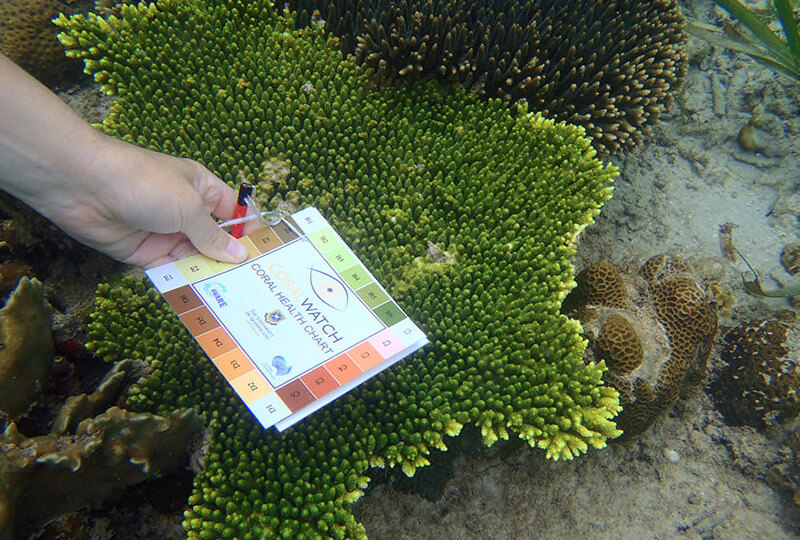
- Coral stress indicators and environmental factors affecting success
- Scientific protocols for coral attachment (epoxy, cable ties, gardening, etc.)
- How to maintain restoration sites and conduct follow-up monitoring
- How to evaluate restoration success rates using real field data
This course is ideal if you want to:
- Participate directly in hands-on coral restoration projects
- Learn the science behind effective reef rehabilitation
- Continue into specialties such as Artificial Reefs or Coral Disease
- Join real research exploring attachment methods and long-term survival
- Develop conservation skills used by professionals across Southeast Asia