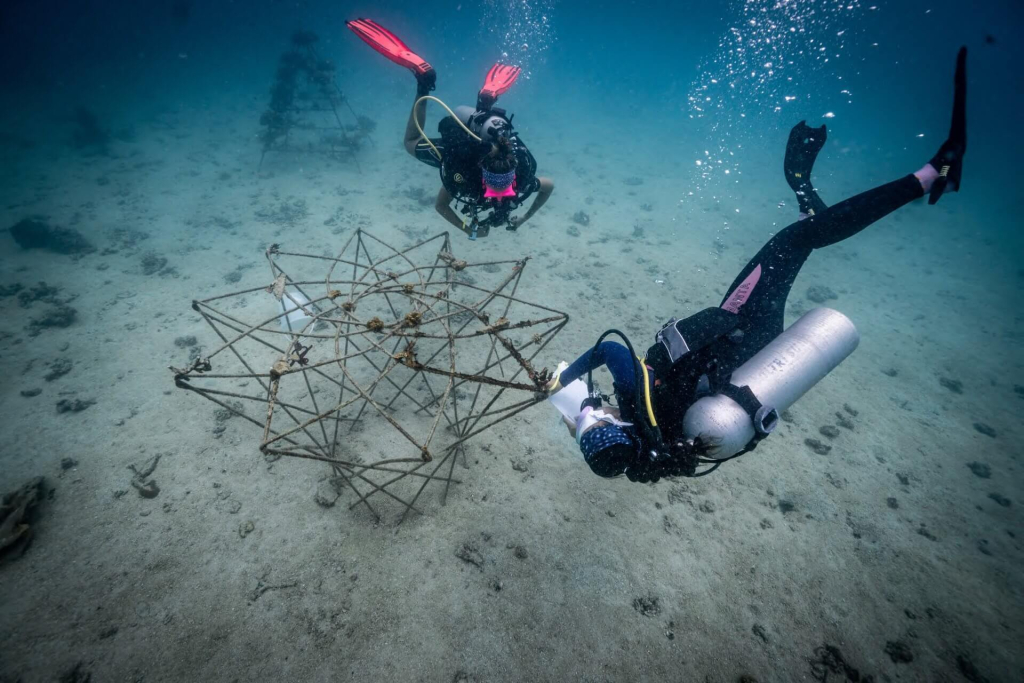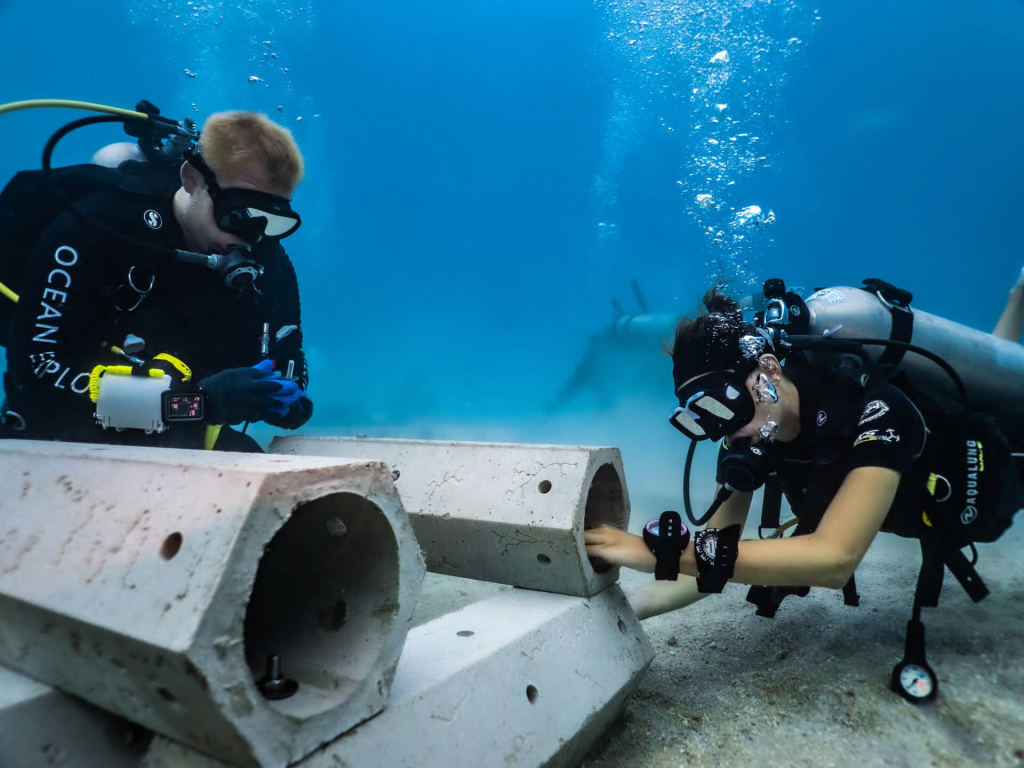
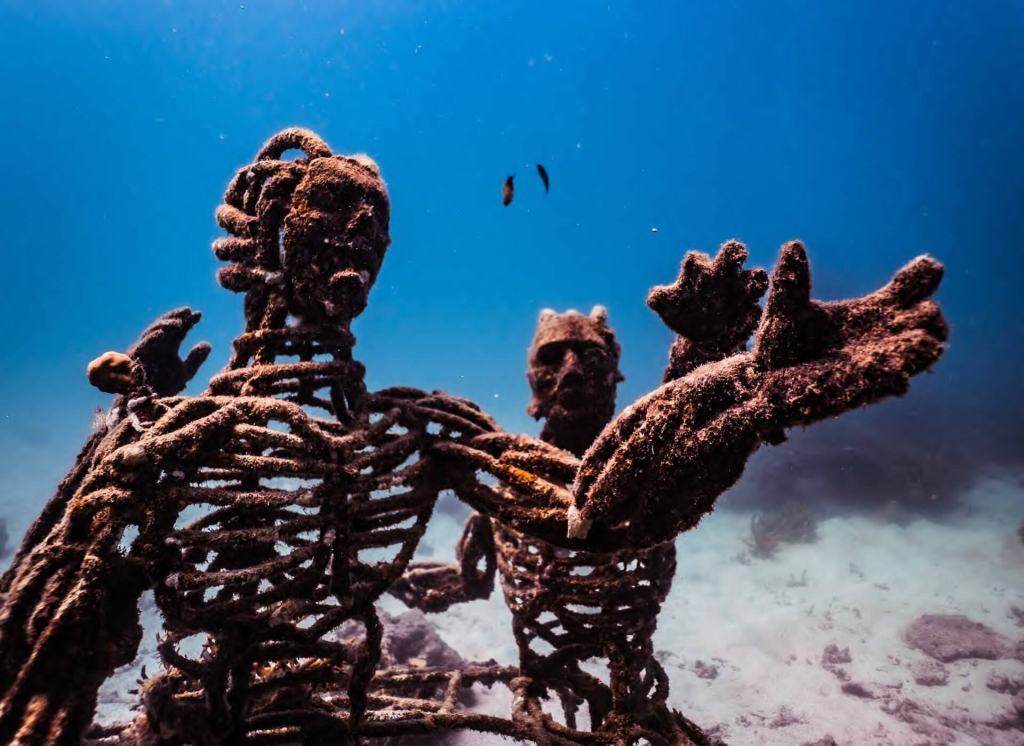
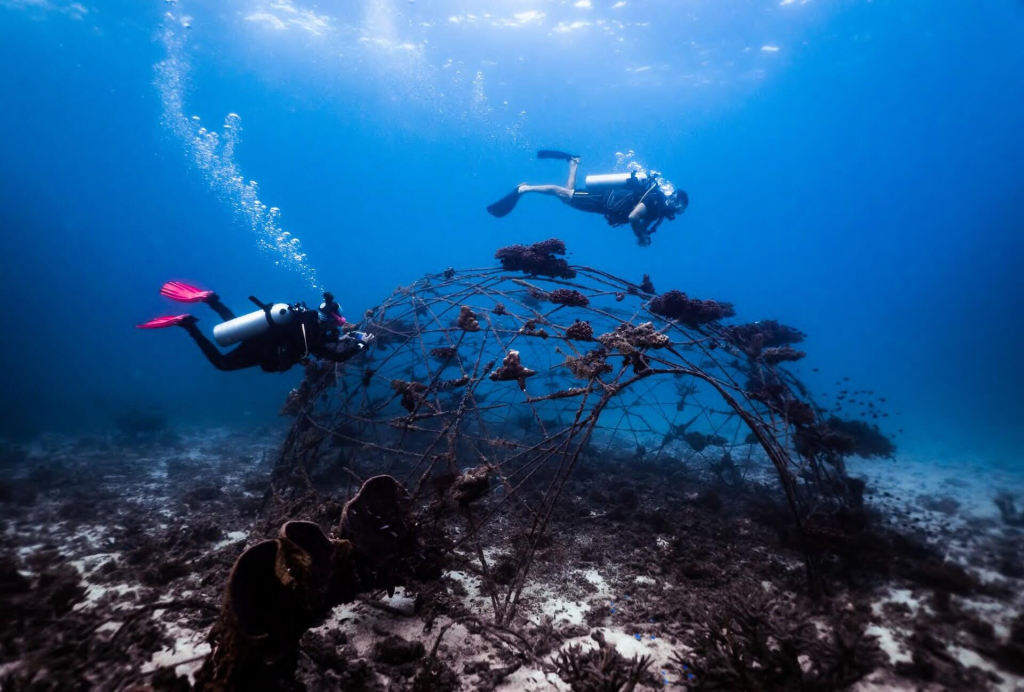
Artificial reefs are powerful tools for marine conservation and reef management. They can replace structure in damaged areas, expand existing reef systems, provide alternative dive sites and diver training aids, or even act as artistic installations that bring awareness to ocean protection.
But designing and building artificial reefs isn’t as simple as dropping structures in the ocean — it requires careful planning, environmental understanding, and scientific precision.
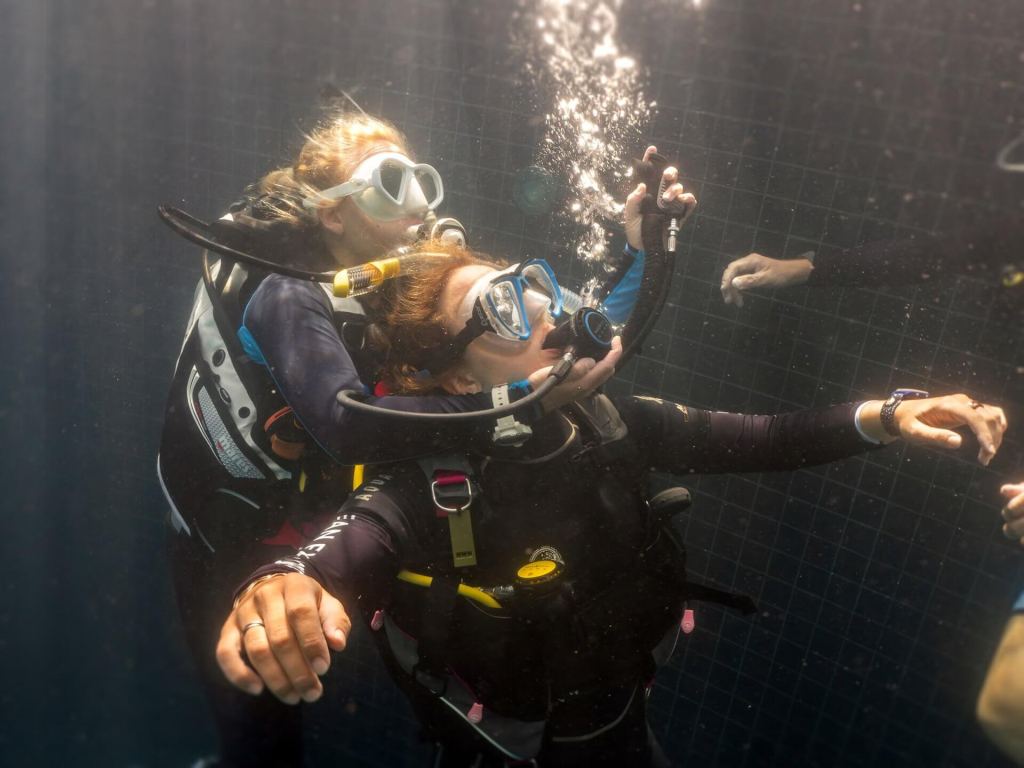
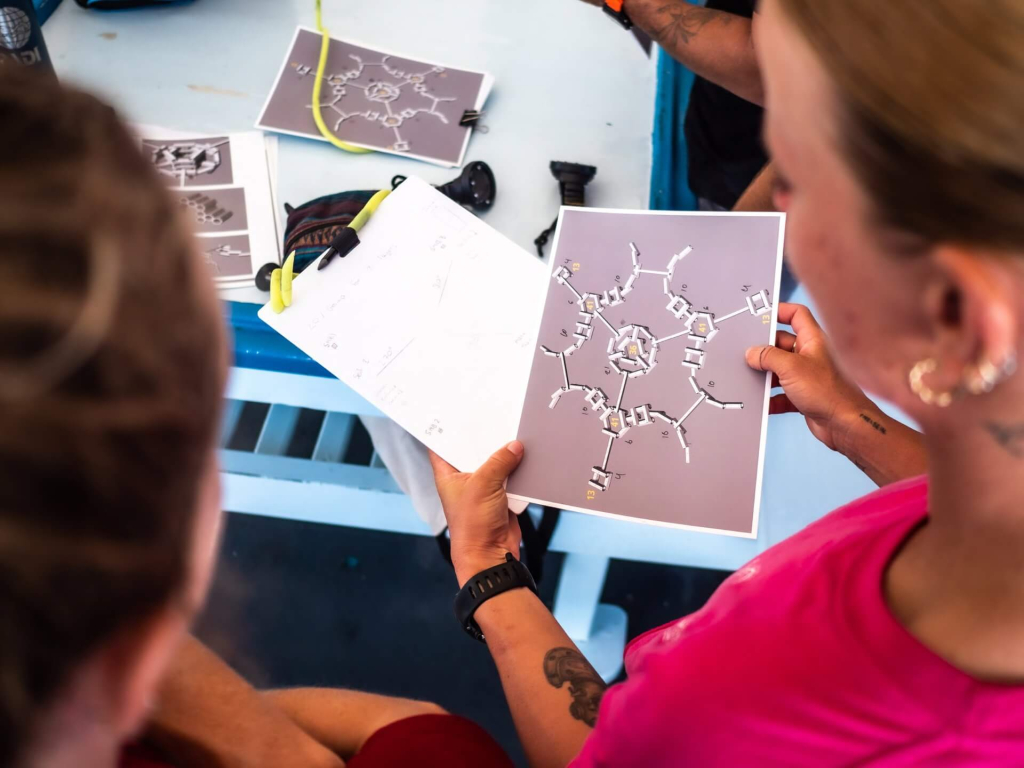
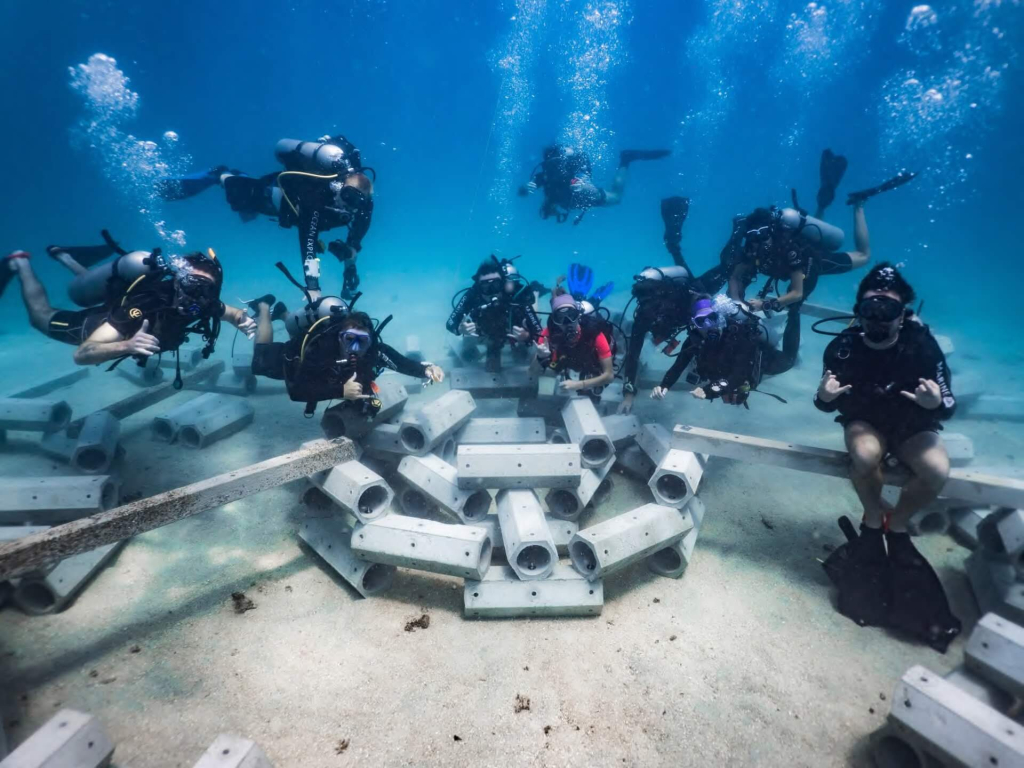
In this 1-day course, you’ll explore the theory, design, and ecological function behind artificial reefs, learning how to assess, plan, and evaluate reef installations while diving some of Koh Tao’s most successful projects.
Artificial reefs merge engineering, ecology, and creativity to restore and enrich marine environments. Whether designed to attract fish, support coral growth, or provide alternative dive sites, these structures can transform degraded areas into thriving ecosystems.
Our Artificial Reefs: Theory & Techniques course gives you the scientific and practical foundation to understand how artificial reefs function, how to design them responsibly, and how to evaluate their ecological success underwater.
What you’ll learn:
- The different types and functions of artificial reefs — from coral restoration modules to diver training structures.
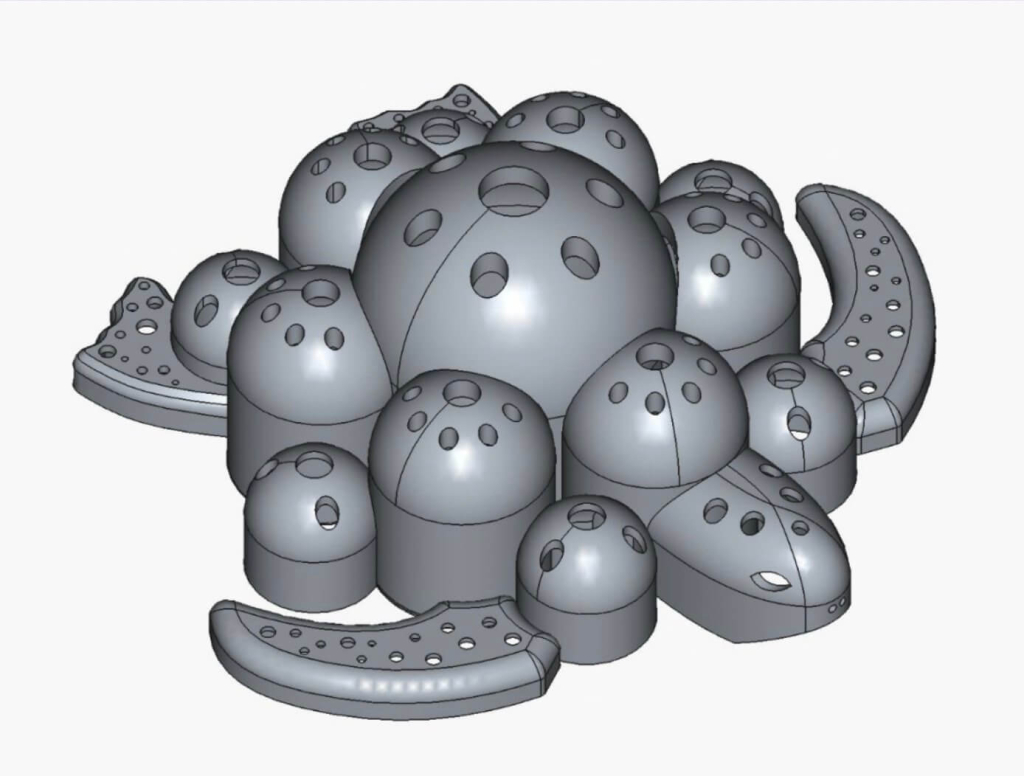
- How materials, complexity, and shape influence marine colonization.
- Environmental and logistical considerations in reef site selection.
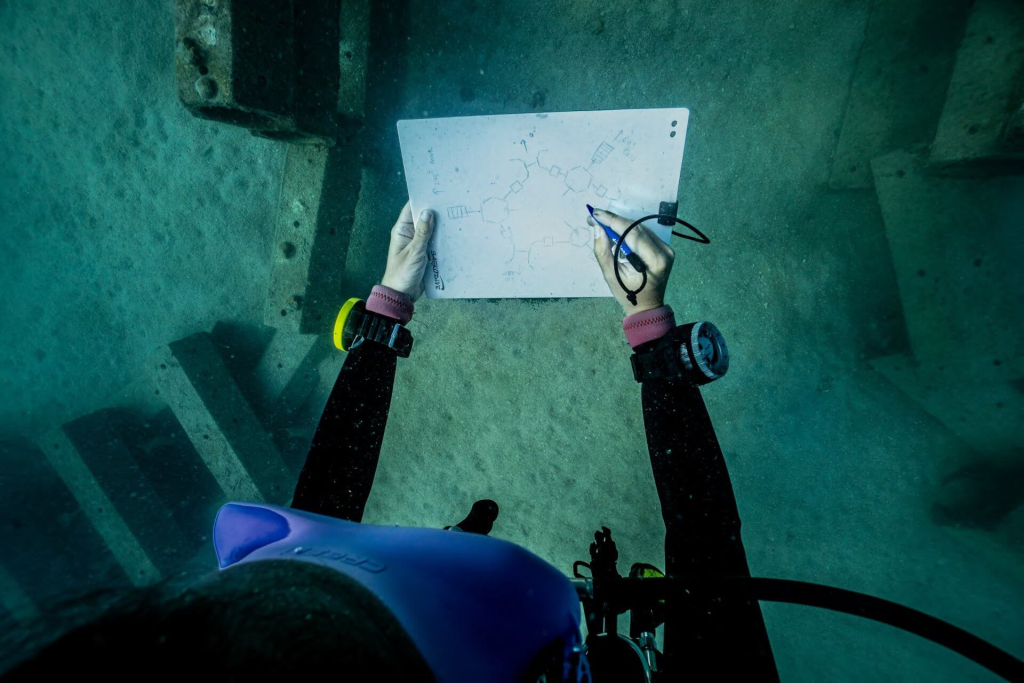
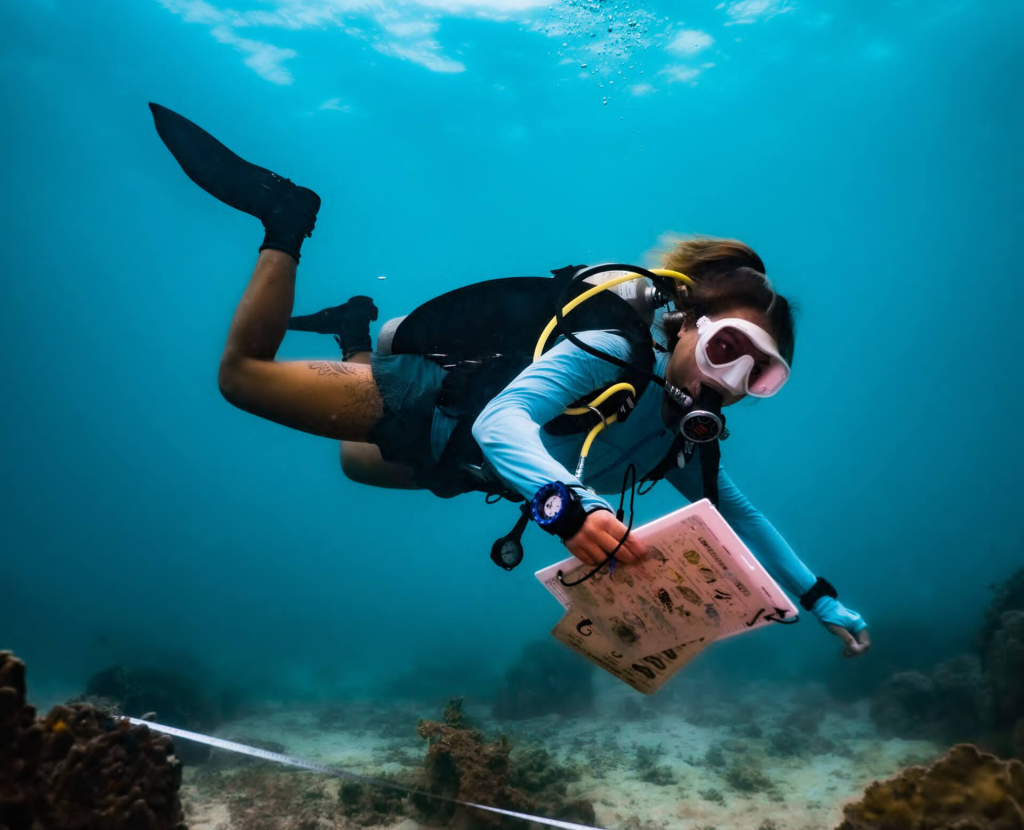
- How to assess structural design, stability, and ecological success through field observations
- How to plan and present your own artificial reef project using the principles of design, sustainability, and ecological function.
This course is ideal if you want to:
- Learn how artificial reefs contribute to coral reef restoration, fisheries enhancement, and sustainable tourism.
- Participate in reef structure assessment and monitoring.
- Build a solid foundation before joining advanced restoration or scientific diver programs.