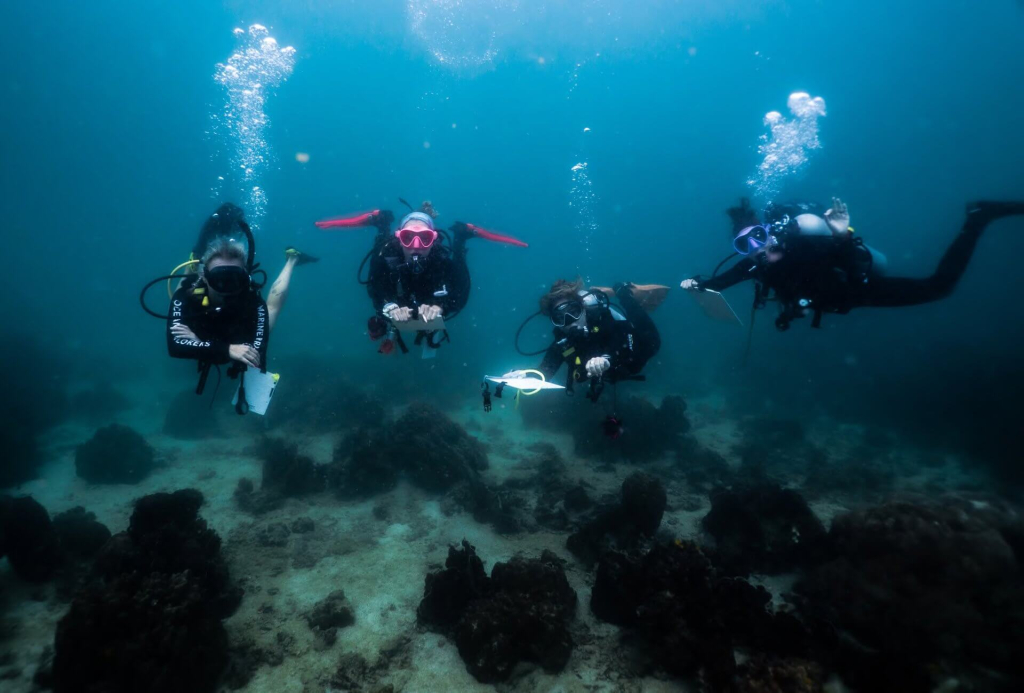
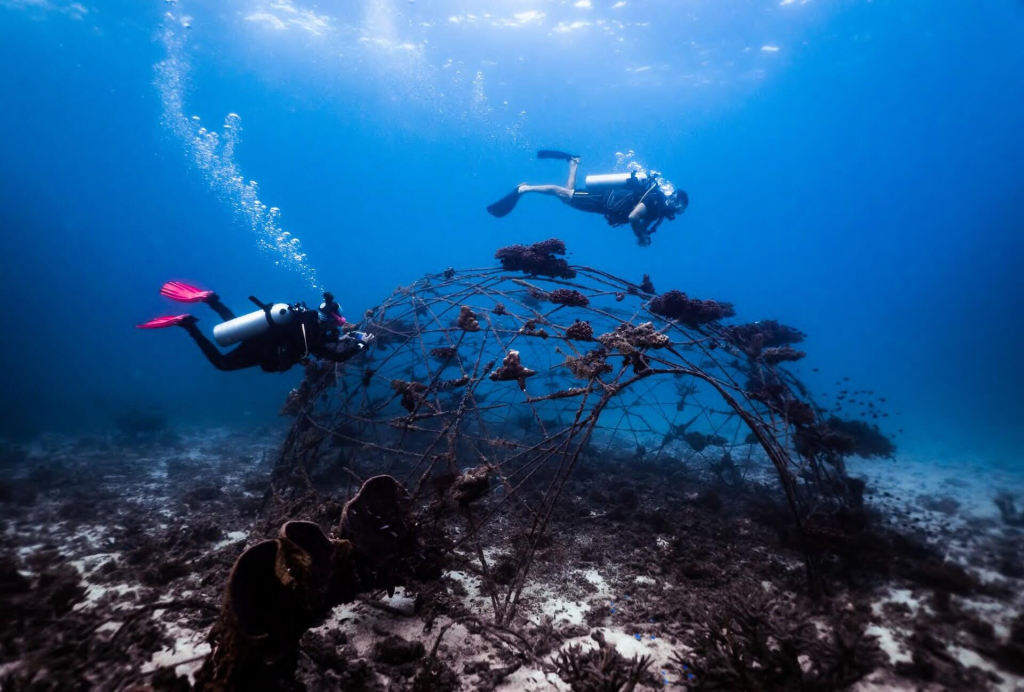
Transform your career from scuba diver to scientific diver with our Ecological Monitoring Program. Dive deeper into your passion while making a meaningful impact!
Diving with a Purpose: Understanding the Role of a Scientific Diver
Scientific divers play an essential role in underwater research, marine conservation, monitoring and data collection.
Unlike recreational divers who dive primarily for leisure, scientific divers engage in methodical and systematic underwater activities that contribute to scientific knowledge and environmental stewardship.
Their work often involves collecting samples, documenting marine life, and monitoring changes in underwater ecosystems.
This data is crucial for developing strategies to protect and manage aquatic environments effectively.
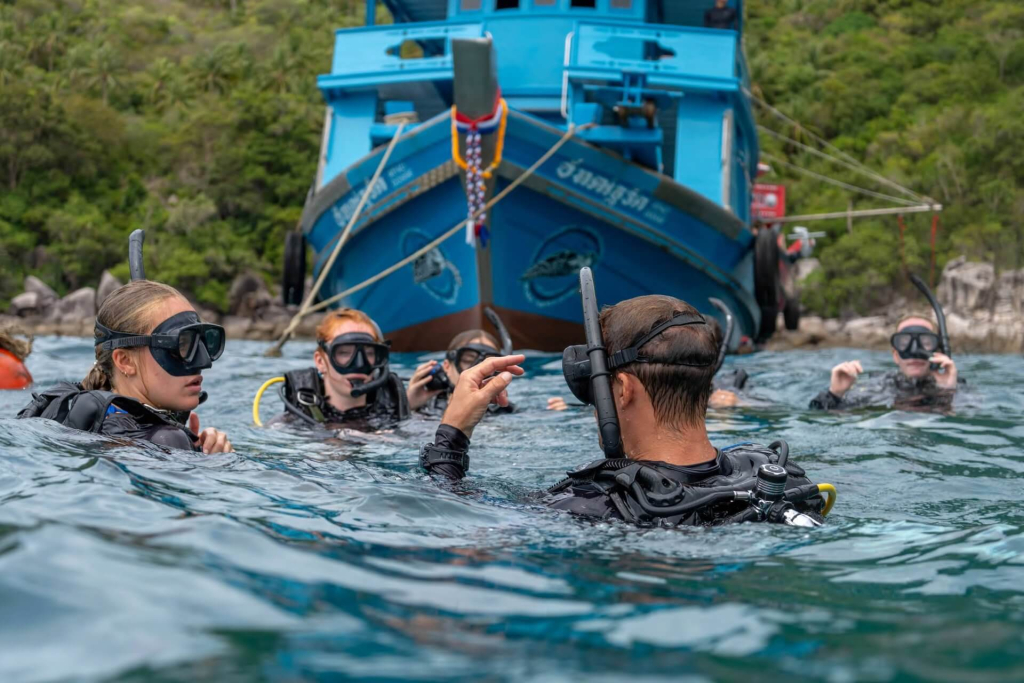
Open Water Diver training session in clear tropical waters, ideal conditions for learning safe and controlled scuba diving in Koh Tao.
Beyond Leisure: The Integration of Science and Scuba
One of the critical aspects of being a scientific diver is the ability to combine diving skills with scientific methodologies.
This integration allows divers to conduct underwater surveys, observe marine species, and collect data that can be used for various research projects.
Scientific divers must be meticulous, observant, and detail-oriented, as the accuracy of their data can significantly impact research outcomes and conservation efforts.
Their work often extends to collaborating with marine biologists, ecologists, and other scientists to analyze data, publish findings, and advocate for marine conservation.
Diverse Environments
Moreover, scientific divers often work in diverse environments, from coral reefs and kelp forests to deep-sea habitats and polar regions.
Their adaptability and ability to operate in various conditions are crucial for the success of their missions.
This versatility not only makes the role of a scientific diver exciting but also highlights the importance of their contributions to understanding and preserving our planet’s underwater ecosystems.
Advanced Open Water Diver exploring tropical coral reefs with strong buoyancy control during training in Koh Tao.
Task-Oriented Exploration: Key Differences from Recreational Diving
While both recreational scuba diving and scientific diving involve exploring underwater environments, the objectives and activities associated with each type of diving are distinct.
Recreational scuba diving is primarily focused on leisure, adventure, and personal enjoyment.
Divers often explore coral reefs, shipwrecks, and other underwater attractions, appreciating the beauty and diversity of marine life without the pressure of specific tasks or objectives.
Precision and Protocols: The Scientific Diver’s Skillset
In contrast, scientific diving is task-oriented and driven by research goals. Scientific divers are trained to perform various activities, such as collecting data, taking underwater photographs, and conducting experiments.
These tasks require precision, patience, and a thorough understanding of scientific protocols. Unlike recreational divers, scientific divers must adhere to strict guidelines to ensure the accuracy and reliability of their data.
This often involves following standardized procedures, using specialized equipment, and documenting their findings meticulously.
Another key difference is the level of training and certification required for scientific diving. While recreational divers can obtain basic certification relatively quickly, scientific divers must undergo extensive training to develop the skills and knowledge necessary for their work.
This includes advanced diving techniques such as neutral buoyancy, scientific methodologies, and safety protocols.
Additionally, scientific divers often need to collaborate with research institutions or organisations, which may require additional qualifications and experience.
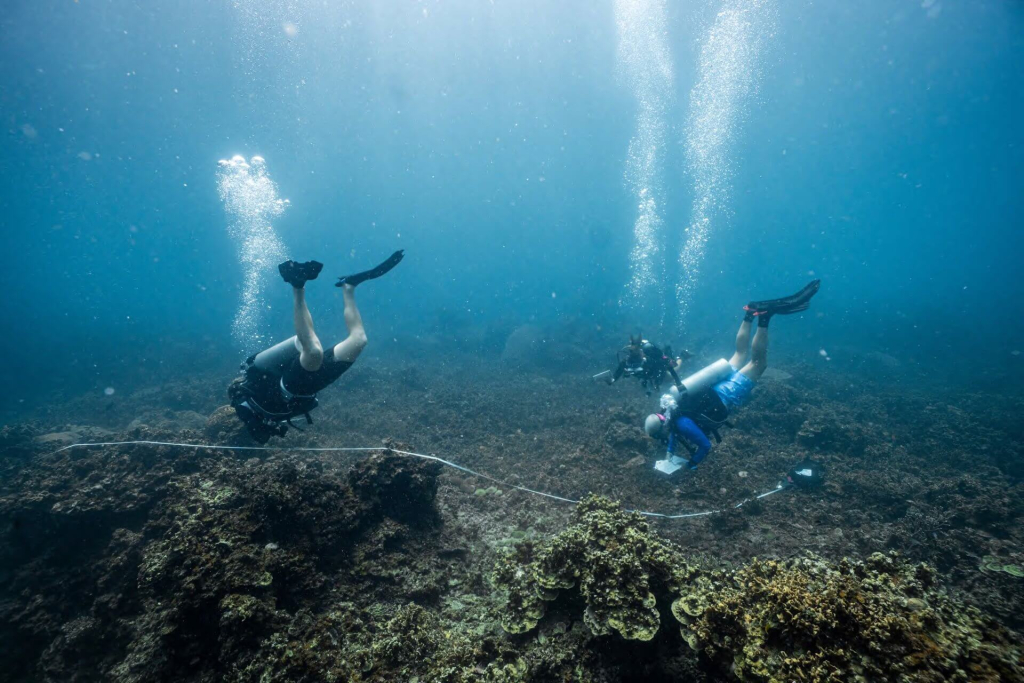
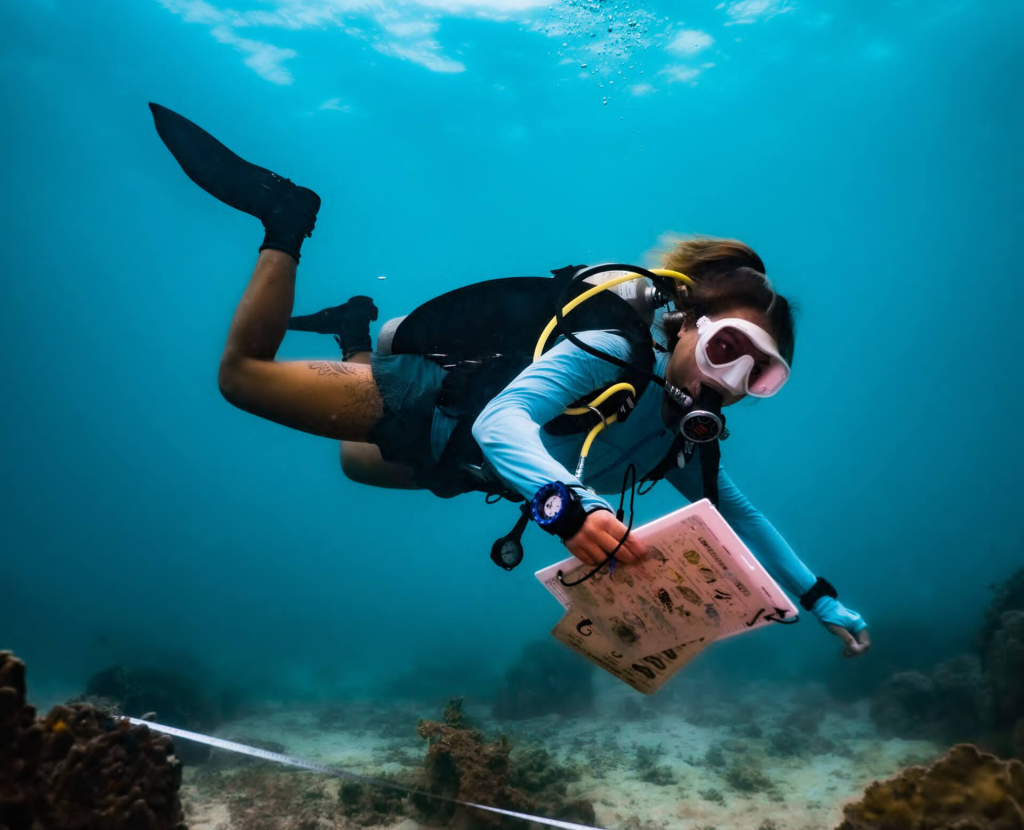
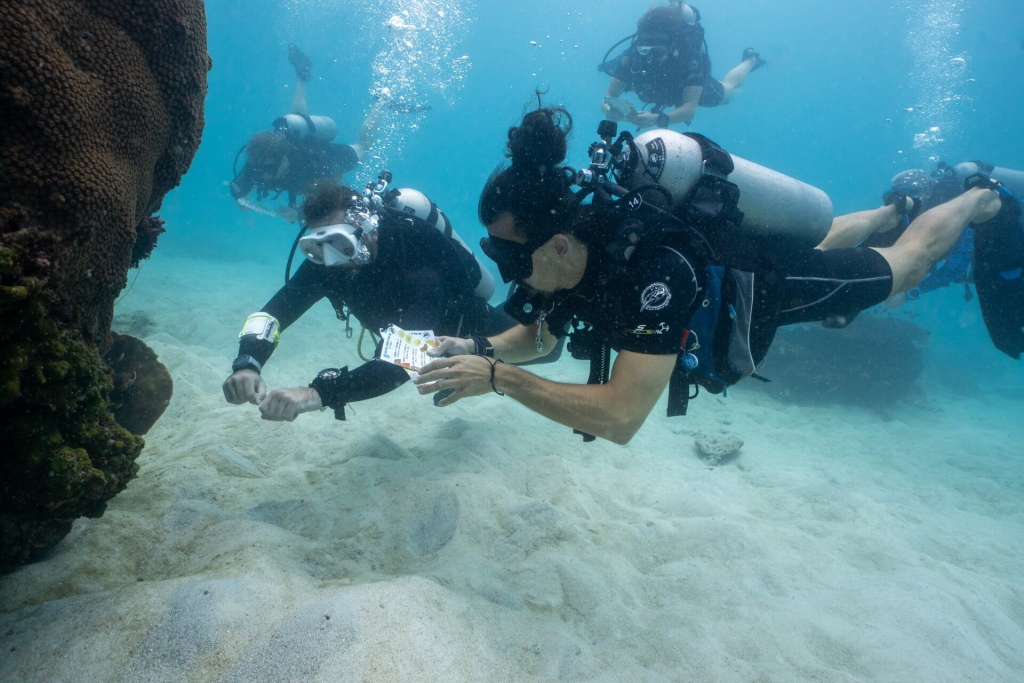
Advanced ecological monitoring research training in Koh Tao, using transects and survey methods to assess reef condition and biodiversity.
Black Turtle Conservation: A Progressive Learning Pathway
At Black Turtle Conservation, we provide a structured and progressive Learning Pathway that bridges the gap between recreational diving and professional marine science.
This journey is designed to evolve your skills through increasing levels of complexity and responsibility, moving you systematically from a curious observer to a qualified researcher.
1. Citizen Scientist (3-Day Program)
This is the foundational entry point for those new to marine conservation.
- Focus: Introduction to marine ecology and basic monitoring.
- Key Skills: Learning theCoral Watch methodology and how to identify coral bleaching.
- Outcome: Participants contribute to global databases ascitizen scientists, providing essential eyes on the reef.
2. Core Conservationist (7-Day Program)
Stepping up from the basics, this program deepens the participant’s understanding of reef health.
- Focus: Developing core competencies in reef monitoring and data collection.
- Key Skills: Introduction to theEcological Monitoring Program (EMP), focusing on fish, invertebrate and substrate identification.
- Outcome: Divers begin to transition from observation to systematic data recording.
3. Conservation Specialist (14-Day Program)
This level introduces specialised areas of marine study.
- Focus: Mastery of specific conservation topics such asmarine plastics, sea turtle ecology, and sea slug identification.
- Key Skills: Advanced survey techniques tailored to specific indicators of reef health.
- Outcome: Divers become specialists in identifying and monitoring particular marine species and threats.
4. Reef Specialist (14-Day Program)
Here, the focus shifts to the structural health and restoration of the reef ecosystem.
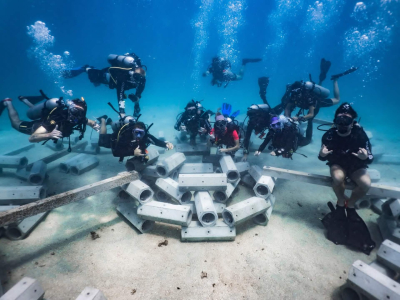
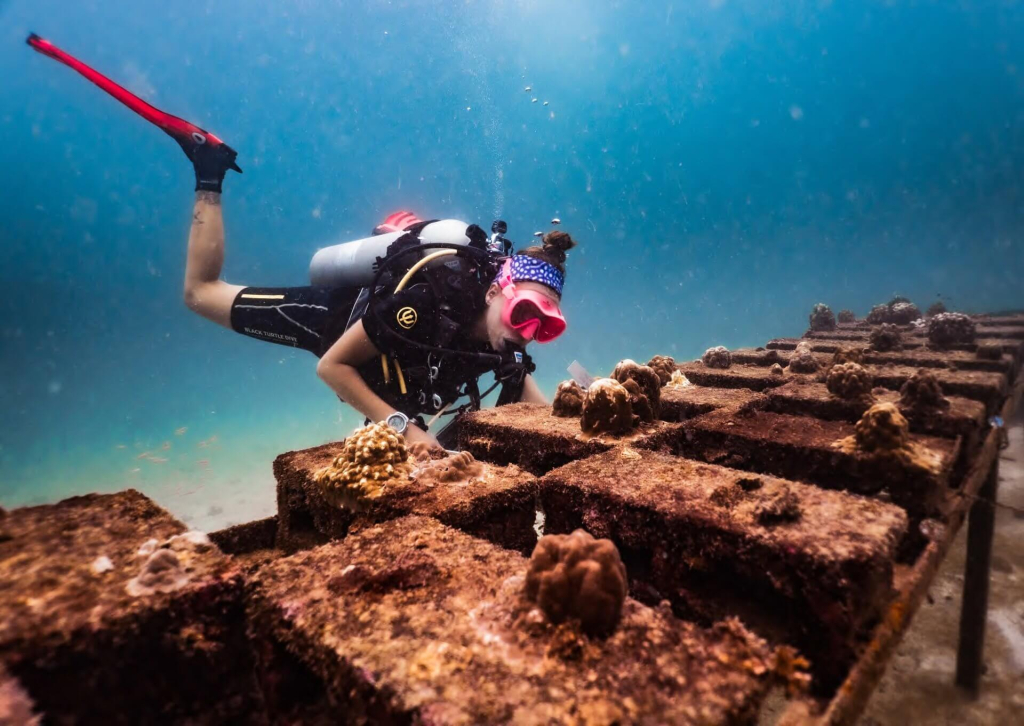
- Focus:Coral restoration techniques and artificial reef management.
- Key Skills: Coral fragment foraging, propagation, and the construction ofartificial reefs to alleviate diver pressure.
- Outcome: Participants learn how to actively intervene to support reef recovery.
5. Master Conservationist (14-Day Program)
A leadership-focused level for those pursuing higher-level scientific goals.
- Focus: Apex predator monitoring (sharks),giant clam conservation, and cleaning station interactions.
- Key Skills: Behavioral analysis and managing larger-scale conservation projects.
- Outcome: Candidates gain the expertise to lead teams in complex conservation initiatives.
6. Scientific Diver (14-Day Program)
The pinnacle of the pathway, integrating all previous knowledge into a professional framework.
- Focus: Professional-gradescientific diving and independent project research.
- Key Skills: Mastery of the full EMP suite, advanced navigation, and survey design.
- Outcome: Graduates are prepared to work on independent research projects or join professional scientific diving teams.
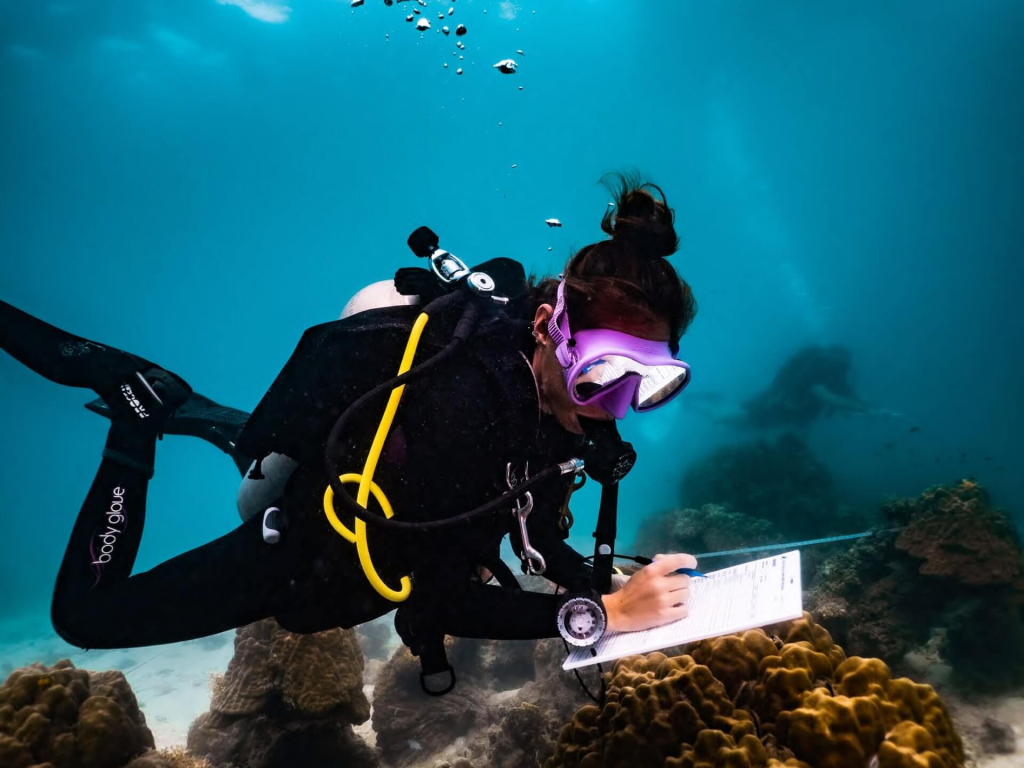
Advanced Ecological Monitoring Program diver
The EMP Framework: A Comprehensive Program Overview
The Ecological Monitoring Program is designed to provide divers with the skills and knowledge needed to transition from recreational diving to scientific diving.
This comprehensive program covers various aspects of ecological monitoring, including underwater survey techniques, species identification, data collection, and analysis.
Participants will gain hands-on experience in conducting scientific research and contributing to marine conservation efforts.
A Curriculum of Action: From Classroom to Fieldwork
Throughout the program, divers will receive training from experienced instructors and marine scientists. The curriculum includes both classroom-based learning and practical fieldwork, allowing participants to apply theoretical knowledge in real-world scenarios.
Topics covered in the program include marine biology, ecology, and environmental management.
By the end of the program, divers will be equipped with the skills necessary to conduct independent research and contribute to scientific projects.
One of the unique features of the Ecological Monitoring Program is its emphasis on sustainability and conservation.
Participants will learn about the impacts of human activities on marine ecosystems and the importance of protecting these environments. The program also encourages divers to become advocates for marine conservation, promoting awareness and education within their communities.
By participating in the Ecological Monitoring Program, divers can make a meaningful impact on the health and sustainability of our oceans.
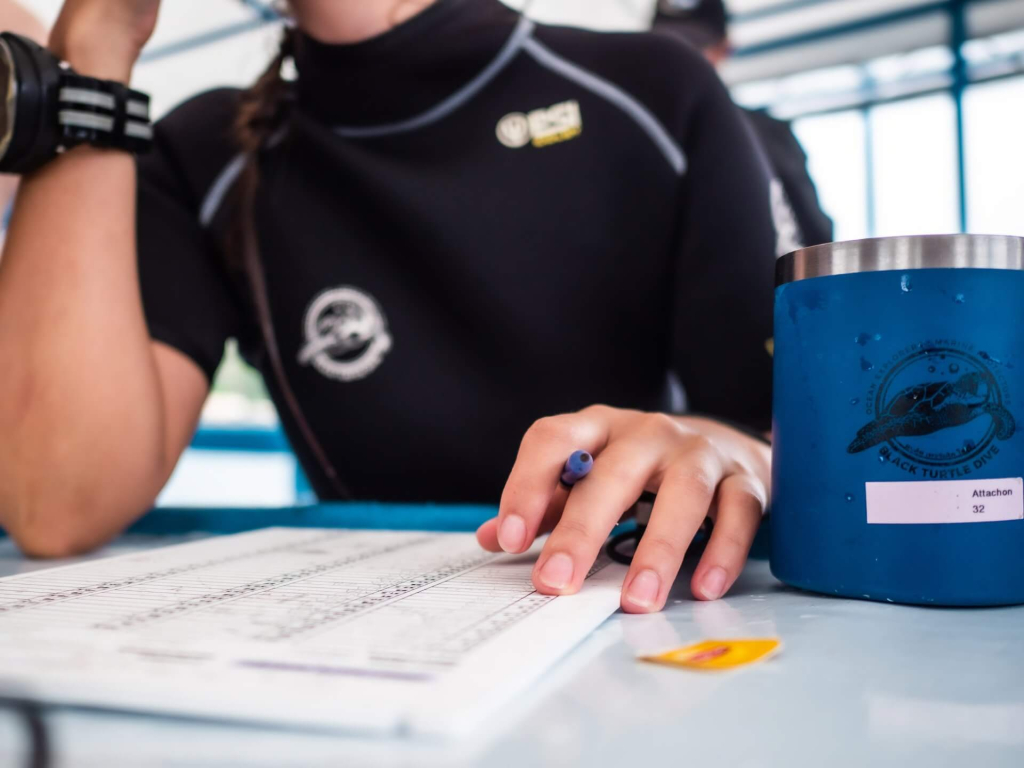
Advanced Ecological Monitoring Program student entering coral and substrate data after reef surveys with Black Turtle Conservation in Koh Tao.
Professional Growth: Benefits of Transitioning to Scientific Diving
Transitioning from a recreational diver to a scientific diver offers numerous benefits, both personally and professionally.
For individuals passionate about marine life and conservation, becoming a scientific diver provides an opportunity to contribute to meaningful research and make a tangible difference.
Scientific divers play a crucial role in monitoring and protecting underwater ecosystems, contributing to the broader understanding of marine environments and the challenges they face.
One of the most significant benefits of becoming a scientific diver is the opportunity to work on diverse and exciting projects.
Scientific divers may participate in various research initiatives, from studying coral reef health and mapping underwater habitats to monitoring the impacts of climate change on marine species.
These projects often involve collaboration with leading scientists and researchers, providing valuable networking opportunities and exposure to cutting-edge research.
Networking and Career Advancement in Marine Science
Additionally, scientific diving can lead to career advancement and new professional opportunities. Scientific divers are in demand in various fields, including marine biology, environmental consulting, conservation organisations, and governmental agencies.
The skills and experience gained through scientific diving can open doors to roles such as marine biologist, environmental scientist, research technician, and more.
For those seeking a career that combines their passion for diving with a commitment to environmental stewardship, scientific diving offers a fulfilling and rewarding path.
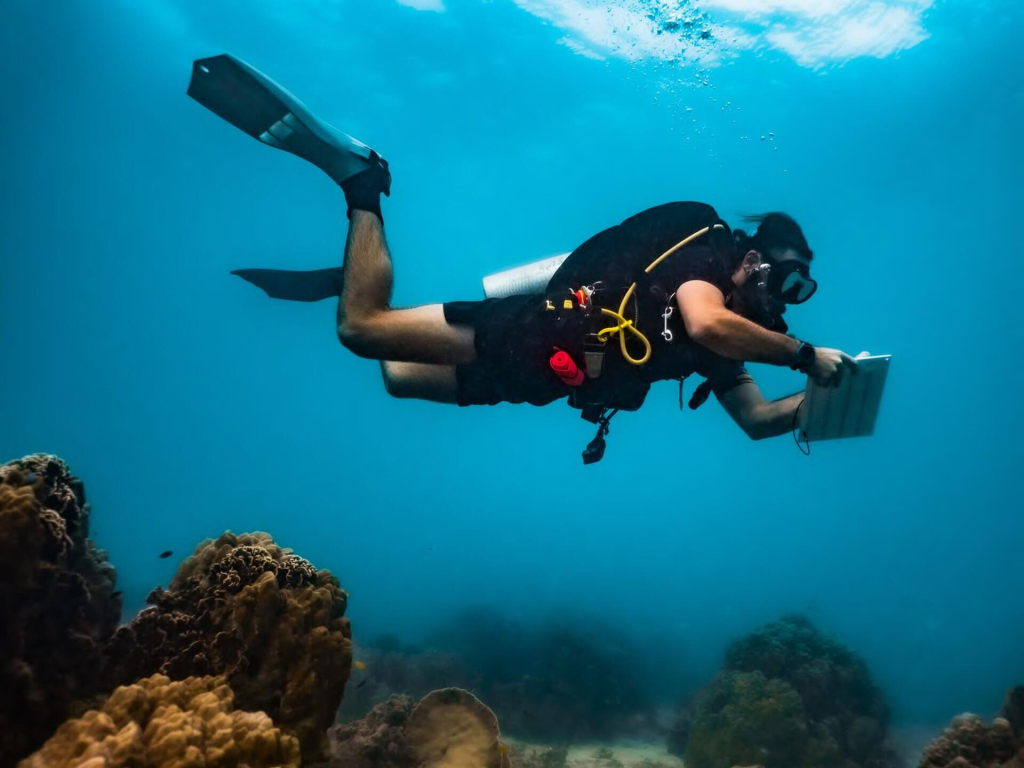
Scientific Diver students completing advanced underwater reef monitoring surveys with precise buoyancy and scientific diving techniques in Koh Tao, Thailand.
Are You Ready? Required Skills and Qualifications
Becoming a scientific diver requires a specific set of skills and qualifications. First and foremost, individuals must be experienced and confident divers, with a strong foundation in diving techniques and safety protocols.
Professional certifications, such as Divemaster, are often required to ensure that divers have the necessary skills to handle challenging underwater conditions and emergencies.
In addition to diving skills, scientific divers must possess a solid understanding of scientific methodologies and data collection techniques. This includes knowledge of underwater survey methods, species identification, and data recording.
Scientific divers must be detail-oriented and capable of following standardised procedures to ensure the accuracy and reliability of their data.
Familiarity with scientific equipment, such as underwater cameras, GPS devices, cleaning and sampling tools, is also essential.
Analytical Thinking and Underwater Problem-Solving
Scientific divers must also have strong analytical and problem-solving skills. They need to be able to interpret data, identify patterns, and draw conclusions based on their observations.
Effective communication skills are crucial, as scientific divers often collaborate with researchers, scientists, and other divers. Writing skills are also important, as scientific divers may be required to produce reports, research papers, and presentations based on their findings.
Overall, scientific divers must be adaptable, resourceful, and committed to ongoing learning and professional development.
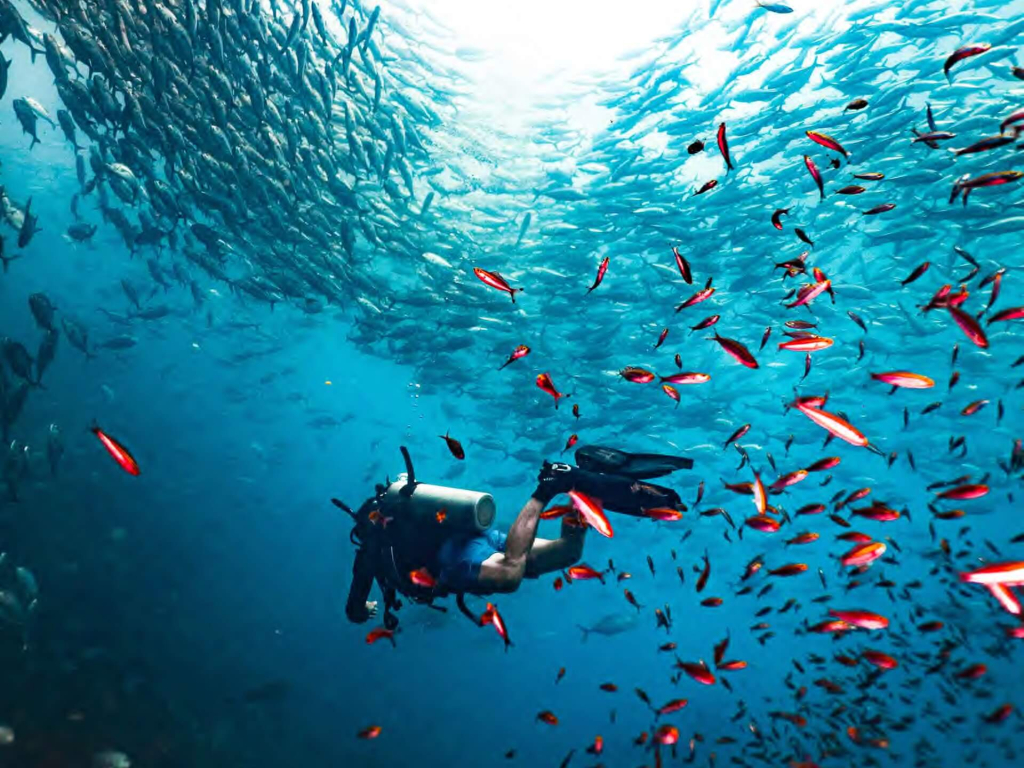
Divemaster with marine conservation training conducting advanced reef surveys
Making an Impact: Real-World Applications in Conservation
Scientific diving has numerous real-world applications in research and conservation. One of the most critical areas where scientific divers contribute is in monitoring and assessing the health of marine ecosystems.
Divers conduct underwater surveys to collect data on species diversity, population densities, and habitat conditions. This information is used to track changes over time, identify threats, and develop conservation strategies.
Monitoring Climate Change and Mitigating Marine Pollution
Scientific divers also play a vital role in studying the impacts of climate change on marine environments. For example, divers may monitor coral bleaching events, document changes in water temperature, and assess the effects of ocean acidification on marine life.
By collecting and analysing data, scientific divers help researchers understand the extent and implications of climate change on underwater ecosystems.
This knowledge is essential for developing mitigation and adaptation strategies to protect marine biodiversity.
Additionally, scientific divers contribute to the study of marine pollution and its effects on aquatic life. Divers may collect samples of water, sediment, and marine organisms to analyze for contaminants such as plastics, heavy metals, and chemicals.
This research helps identify pollution sources, assess their impact on marine ecosystems, and develop strategies to reduce and manage pollution.
Scientific divers’ work is crucial for informing policy decisions, raising awareness, and promoting sustainable practices to protect our oceans.
From Scuba Diver to Scientific Diver
Many individuals have successfully transitioned from recreational scuba diving to scientific diving, making significant contributions to marine research and conservation.
Success stories highlight the diverse opportunities available to scientific divers and the impact they can have on research and conservation.
Whether studying marine biology, archaeology, or environmental science, scientific divers play a crucial role in advancing knowledge and protecting our oceans.
Their dedication, skills, and passion for diving and science make a significant difference in understanding and preserving our underwater world.
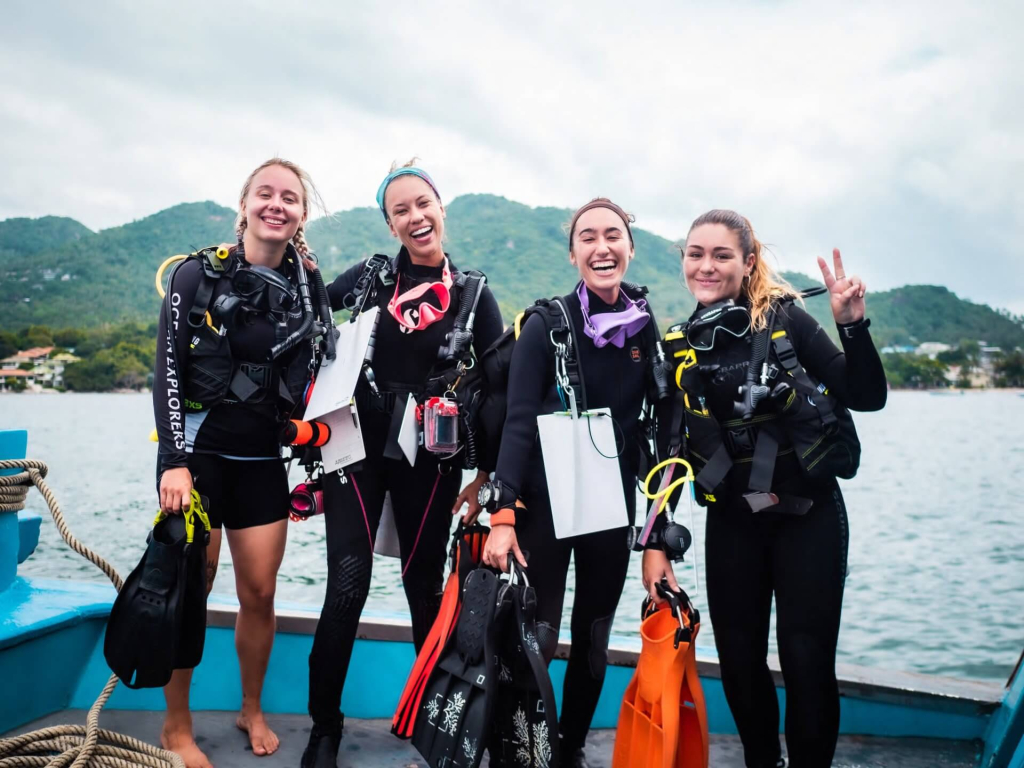
Citizen science students training in coral monitoring and reef survey skills as part of marine conservation diving in Koh Tao, Thailand.
Join the Community: Networking and Career Opportunities
Networking and building connections within the scientific diving community are essential for career development and professional growth.
Scientific divers can benefit from joining professional organisations, attending conferences, and participating in collaborative research projects.
These opportunities provide valuable platforms for sharing knowledge, gaining insights, and establishing partnerships with other divers, researchers, and organisations.
Research Projects
Collaborative research projects and internships are a valuable way for scientific divers to gain experience and expand their network.
Many research institutions, universities, and conservation organisations offer opportunities for divers to participate in fieldwork, conduct research, and contribute to ongoing projects.
These experiences provide hands-on training, exposure to different research methodologies, and opportunities to work with leading scientists and experts.
Building relationships with mentors and colleagues can lead to future job opportunities and collaborations, further enhancing career prospects in the field of scientific diving.
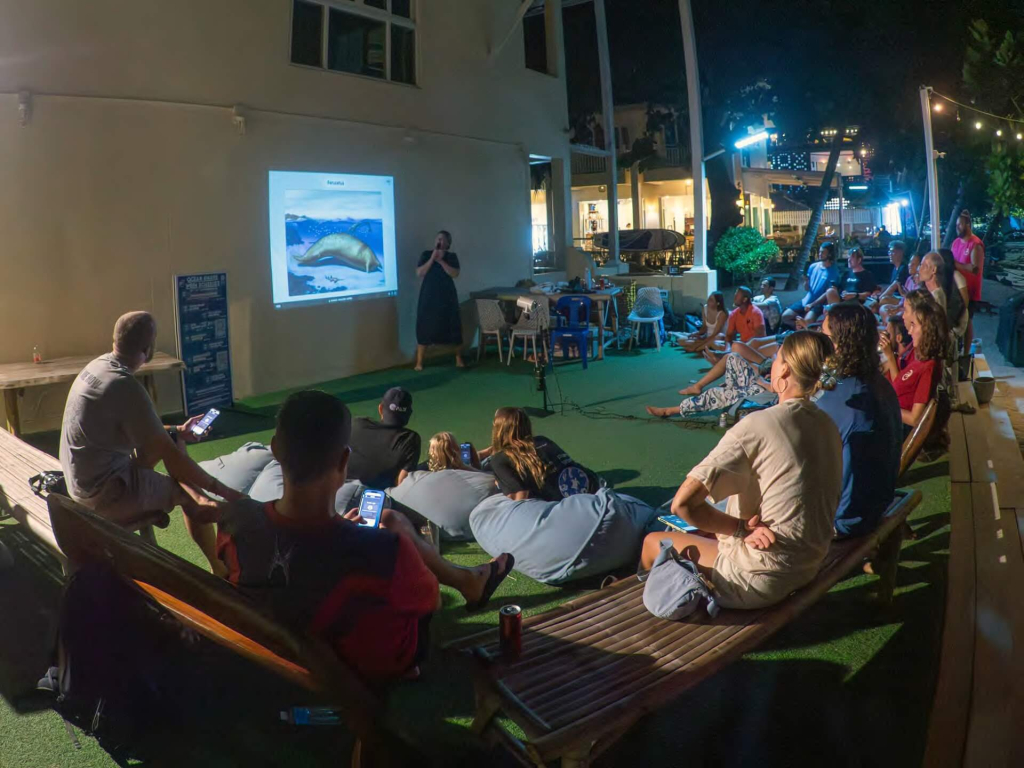
Marine conservation community meetup in Koh Tao, connecting divers, volunteers and researchers through weekly surveys and events.
Taking the Leap into a Fulfilling Career
Transitioning from a recreational scuba diver to a scientific diver is a rewarding and impactful journey. The Ecological Monitoring Program offers the training, knowledge, and hands-on experience needed to make this transition successfully.
By becoming a scientific diver, individuals can contribute to important research, protect marine ecosystems, and advance their careers in the field of marine science and conservation.
Protecting our Oceans
Scientific diving offers a unique blend of adventure, discovery, and purpose. It allows divers to explore the underwater world while making meaningful contributions to environmental stewardship.
The skills and qualifications gained through scientific diving can open doors to diverse and exciting career opportunities, from marine biology and environmental consulting to underwater archaeology and conservation.
For those passionate about diving and committed to protecting our oceans, taking the leap into scientific diving is a fulfilling and worthwhile endeavor. The journey may require dedication, training, and continuous learning, but the rewards are immense.
By joining the scientific diving community, divers can become part of a global effort to understand, protect, and preserve our planet’s precious marine ecosystems.

Master Coral Taxonomy: Essential Skill for Conservationists

COURSE PRICES & BOOKING