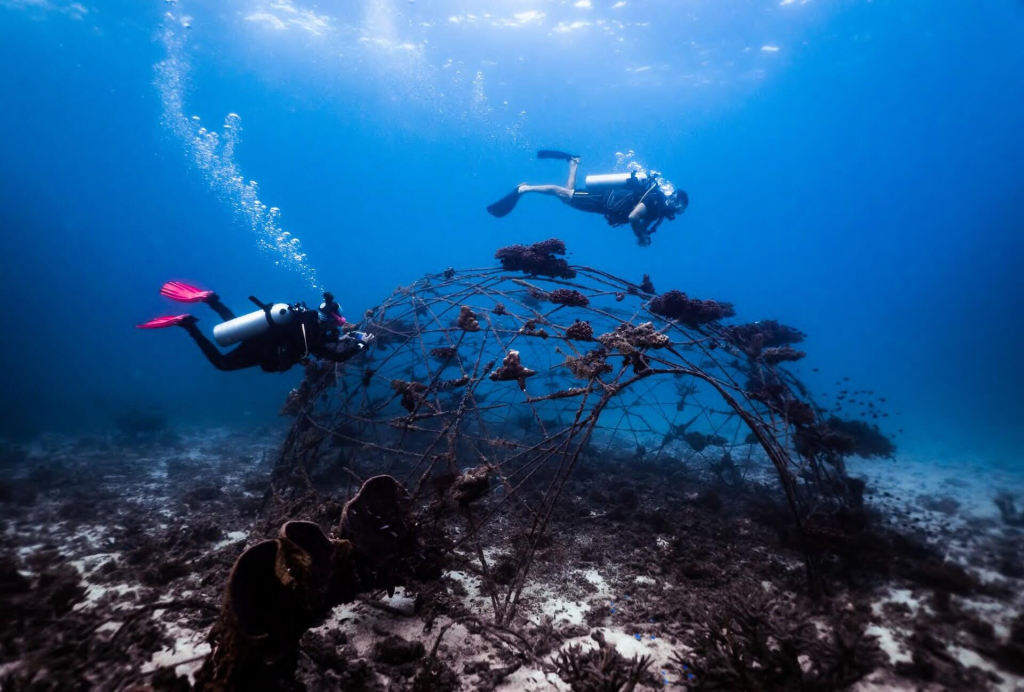
Join us on an inspiring journey as we explore ‘7 Days of Impact’ through Koh Tao’s vital conservation surveys, protecting its breathtaking marine life.
At Black Turtle Conservation, we move beyond simple observation, turning data into action to protect the island’s breathtaking marine life through a structured, weekly timetable of impact.
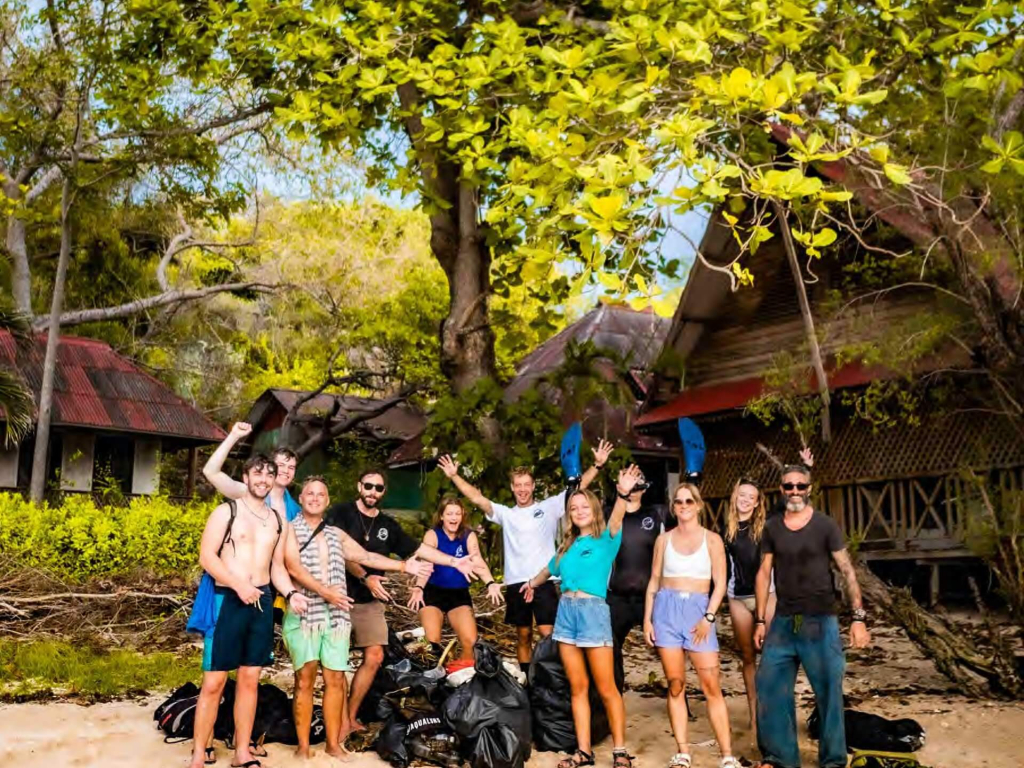
Community beach clean event in Koh Tao bringing together divers and volunteers to remove marine debris and protect coastal ecosystems.
Data with a Purpose: Why Conservation Surveys Matter on Koh Tao
Koh Tao, a small island in the Gulf of Thailand, is renowned for its stunning marine biodiversity and vibrant coral reefs.
These natural treasures are not just a visual delight but also form the backbone of the island’s economy, largely driven by tourism and scuba diving activities.
However, the increasing human footprint, coupled with the global impacts of climate change, poses significant threats to this delicate marine ecosystem.
This is where conservation surveys come into play; they are essential tools in assessing the health of the marine environment and devising strategies to protect it.
Conservation surveys in Koh Tao involve systematic data collection on various aspects of the marine environment, including water quality, coral health, fish populations, marine life and the presence of marine debris.
These surveys provide critical baseline data against which changes can be measured over time. By identifying areas of concern early, conservationists can implement targeted interventions to mitigate damage and promote recovery.
In essence, these surveys serve as the foundation for informed decision-making in marine conservation.
A Collaborative Approach to Marine Stewardship
Moreover, conservation surveys foster a collaborative approach to marine protection. They often involve local communities, diving schools, tourists, and international researchers, creating a broad-based coalition dedicated to preserving Koh Tao’s marine environment heritage.
This inclusive approach not only enhances the quality and scope of the data collected but also builds a sense of shared responsibility and stewardship among diverse stakeholders.
Through these efforts, conservation surveys contribute significantly to the long-term sustainability of Koh Tao’s precious marine resources.
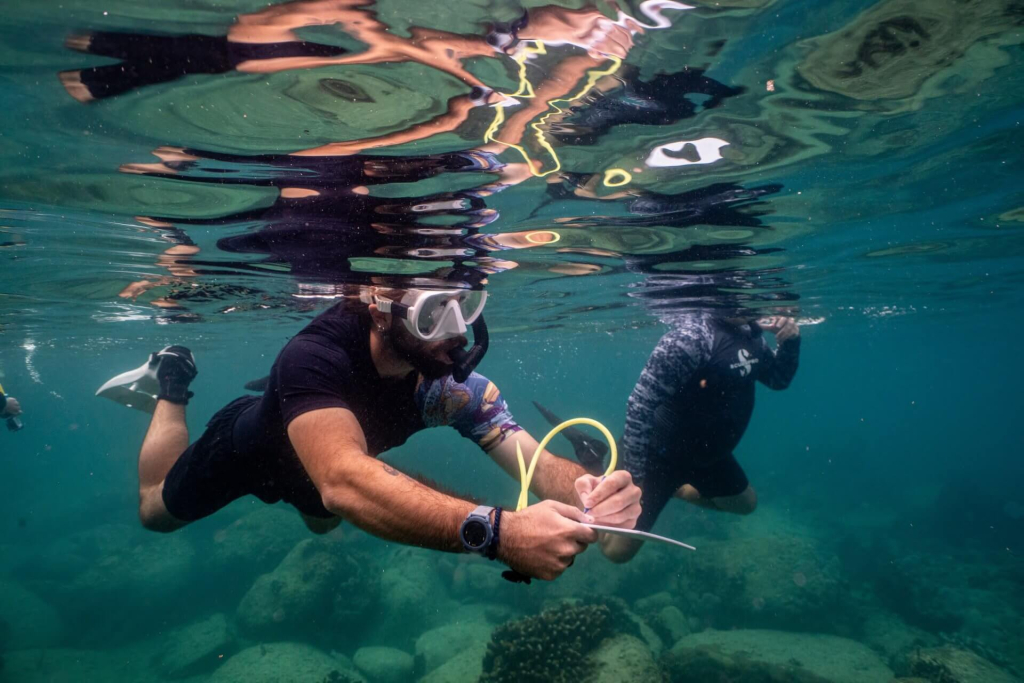
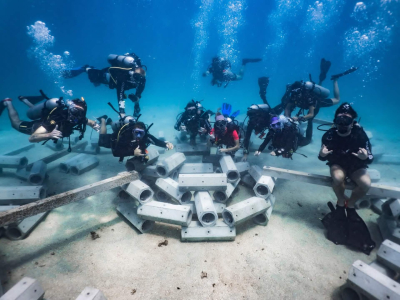
Master Conservationist trainees conducting shark monitoring and population study surveys during a 6-week marine conservation course in Koh Tao, Thailand.
Our Weekly Timetable: A Science-Based Schedule for Change
To maximize our impact and ensure every aspect of the ecosystem is monitored, Black Turtle Conservation follows a 7-day schedule. Each day is dedicated to a specific theme, ensuring a comprehensive assessment of the island’s marine environment.
Monday: Tracking our Resident Sea Turtles
The week begins with a focus on one of the island’s most iconic residents.
- 15:30 – 16:00: Sea Turtles ID & Monitoring: Participants learn the science of photo-identification. Because the scale patterns on a turtle’s face (facial scutes) are as unique as a human fingerprint, we can track individual turtles over years without invasive tagging.
- 16:00 – 18:00: Sea Turtles Snorkel: A guided snorkel survey at one of our designated sea turtle specific bays. This allows non-divers and the community to contribute real-world data on Sea Turtle identification.
Tuesday: Apex Predators and Shark Behavioral Studies
Tuesday shifts the focus to the apex predators that maintain the reef’s delicate balance.
- 15:30 – 16:00: Sharks ID & Monitoring: Training focuses on identifying Blacktip Reef Sharks, understanding their nursery grounds, and learning their behavioral patterns.
- 16:00 – 18:00: Sharks Snorkel: Community members assist in population counts, helping us understand shark density and their reaction to human presence.
Thursday: Protecting the Reef from Crown of Thorns (COTS)
Thursdays are dedicated to active reef protection against one of its most voracious predators.
- 10:30 – 11:00: Crown of Thorns Monitoring: An educational session on identifying COTS outbreaks and recording data.
- 11:45 – 17:00: Crown of Thorns Dives: Specialised dives focused on monitoring and, when necessary, managing COTS populations to prevent them from decimating entire coral colonies.
- 17:30: Debrief: Data is recorded to determine if intervention thresholds have been met and to plan future management strategies.
Friday: Biodiversity and the Secret Life of Sea Slugs
Fridays shift focus to the smaller, but equally vital, indicators of reef health.
- 10:30 – 11:00: Sea Slugs ID & Monitoring: Training on the incredible diversity of nudibranchs and sea slugs found around Koh Tao.
- 11:45 – 17:00: Sea Slugs Dives: Survey dives to document biodiversity. Because nudibranchs have very specific diets, their presence provides an early warning system for ecological shifts.
- 17:30: Debrief: Recording and sharing the findings of the day’s biodiversity search.
Saturday: Community Dialogue and Ocean Insights
Saturdays are about connecting the data with the people who live on and visit the island.
- 19:00 – 21:00: Ocean Insights Event: Held on the last Saturday of every month, this event brings the community together to share data, discuss marine trends, and invite experts to speak on conservation challenges.
Sunday: Reef Restoration and the Fight Against Marine Debris
The week concludes with direct hands-on reef repair and environmental cleaning.
- 11:45 – 17:00: Restoration Maintenance & Monitoring Dives: Occurring twice per month, these dives focus on maintaining Artificial Reefs like Junkyard Reef, Buoyancy World or Black Turtle Reef, cleaning coral nurseries, and monitoring the growth of transplanted coral fragments.
- 17:30 – 18:00: Beach Clean Up: A final community push to ensure that land-based plastic does not become marine debris.

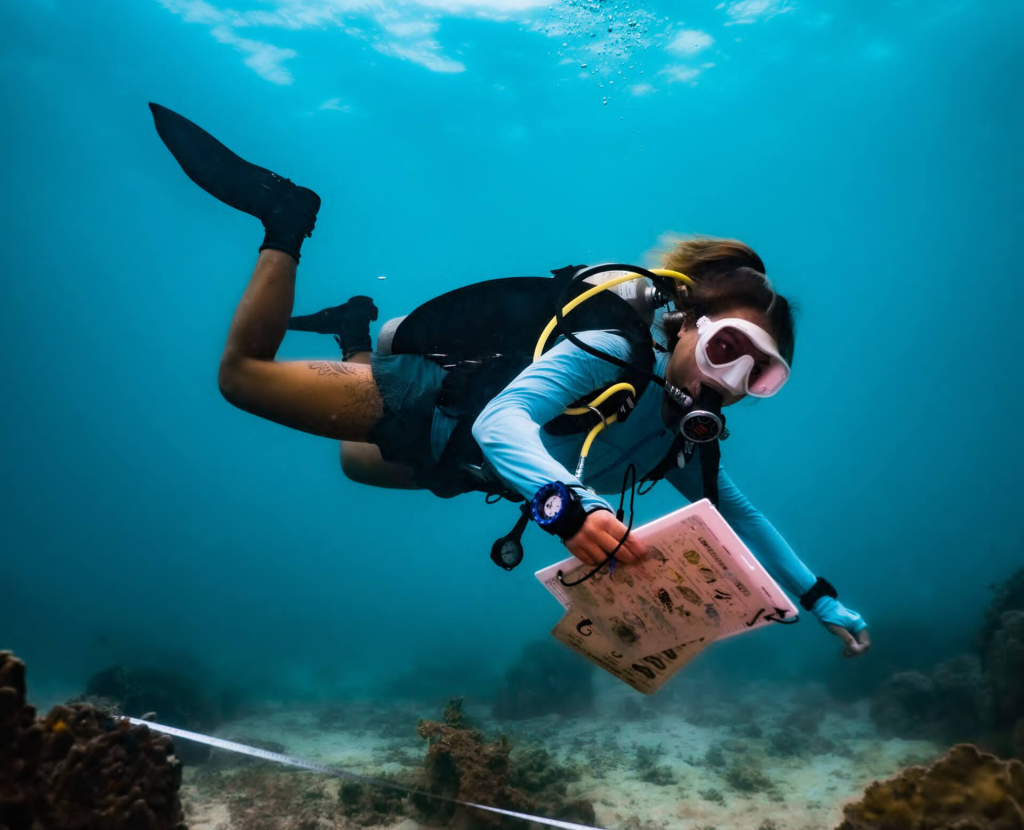
Citizen science diver writing survey observations on an underwater datasheet during coral reef monitoring in Koh Tao, Thailand.
The Citizen Science of Scuba: Modern Data Collection Techniques
Data collection is the cornerstone of any scientific research, and in the context of marine conservation, it is particularly crucial.
Prior to our Conservation Surveys, participants are trained in various data collection techniques. These can include underwater visual censuses or Reef Safari’s, transect surveys, and the use of specialised equipment like quadrats and GPS devices.
Each method has its own set of protocols to ensure accuracy and reliability of the data collected.
Precision Monitoring: Visual Censuses, Transects, and Quadrats
Underwater visual censuses involve divers systematically swimming along predetermined paths and recording observations of marine life. This method is particularly useful for assessing fish populations and their behavior.
Transect surveys, on the other hand, involve laying out a measured line (transect) along the seafloor and recording indicator species found along this line.
This technique is widely used for studying coral health and the distribution of benthic organisms.
The use of quadrats allows for more detailed studies of specific areas. A quadrat is a square frame of known dimensions that is placed on the seafloor, and all the organisms within this frame are identified and counted.
This method is ideal for studying the density and diversity of coral and other sessile organisms. GPS devices are used to accurately record the locations of survey sites, ensuring that data can be compared over time.
By mastering these techniques, participants contribute high-quality data that are essential for effective conservation planning.
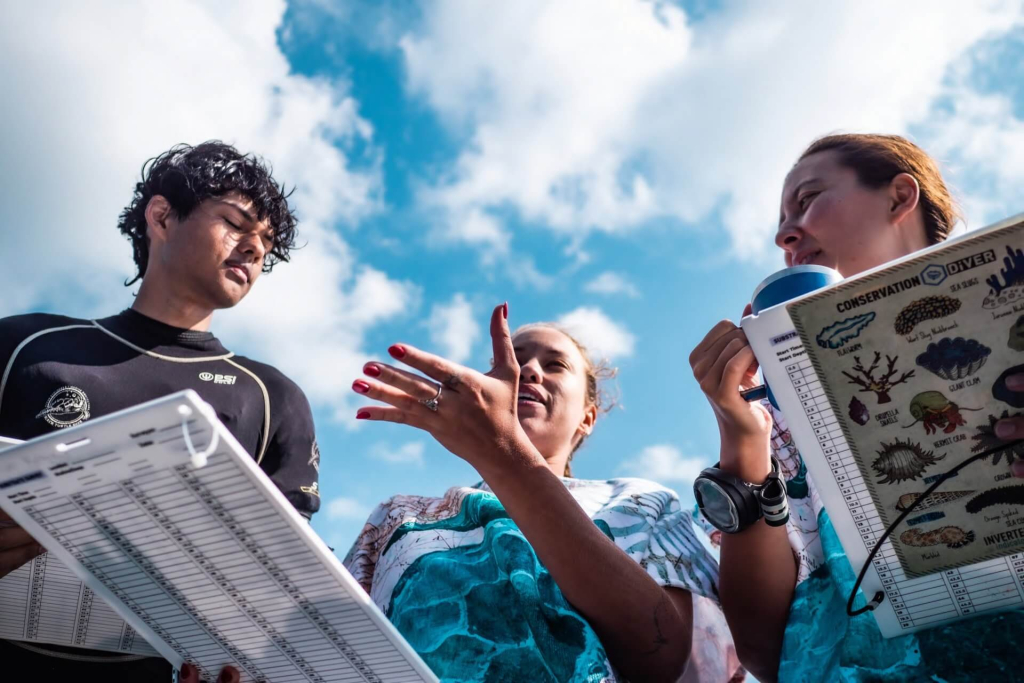
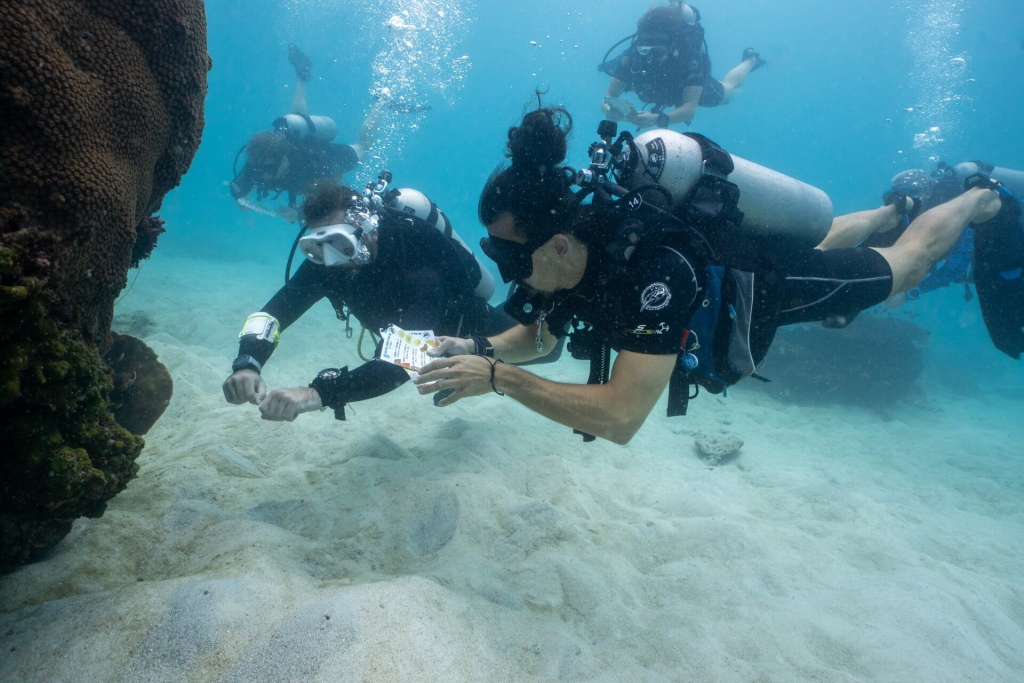
Citizen science divers conducting coral reef surveys
Nurturing the Reef: Analysing Coral Health and Restoration
Coral reefs are often referred to as the rainforests of the sea, owing to their incredible biodiversity.
However, these vibrant ecosystems are under severe threat from factors such as climate change, pollution, and overfishing. Our Conservation Surveys focus on analysing coral health and exploring ongoing reef restoration efforts.
Participants learn to assess various indicators of coral health, such as color, growth rates, and the presence of diseases or bleaching.
CoralWatch: Monitoring Health with Color-Coded Precision
One of the key techniques taught is the CoralWatch Coral Health Chart, which uses a simple color-coding system to assess the health of corals.
Participants compare the color of corals in situ with the chart, providing a quick and effective way to monitor coral health over time. Another important aspect is the identification of coral diseases and bleaching events.
By recognizing the early signs of these issues, conservationists can implement timely interventions to mitigate their impact.
Artificial Reefs: Building Habitats at Junkyard and Black Turtle Reef
Reef restoration efforts are also a major focus. Participants get hands-on experience in activities such as artificial reef deployment and installation.
Artificial reefs, made from materials like concrete or environmentally friendly polymers, provide new substrates for coral larvae to settle and grow.
At Black Turtle Conservation, we manage specific sites like Junkyard Reef and Black Turtle Reef, which help to alleviate scuba diver pressure on natural reefs while providing new marine habitats.
These efforts not only enhance coral cover but also provide habitats for a variety of marine species, contributing to the overall resilience of the reef ecosystem.
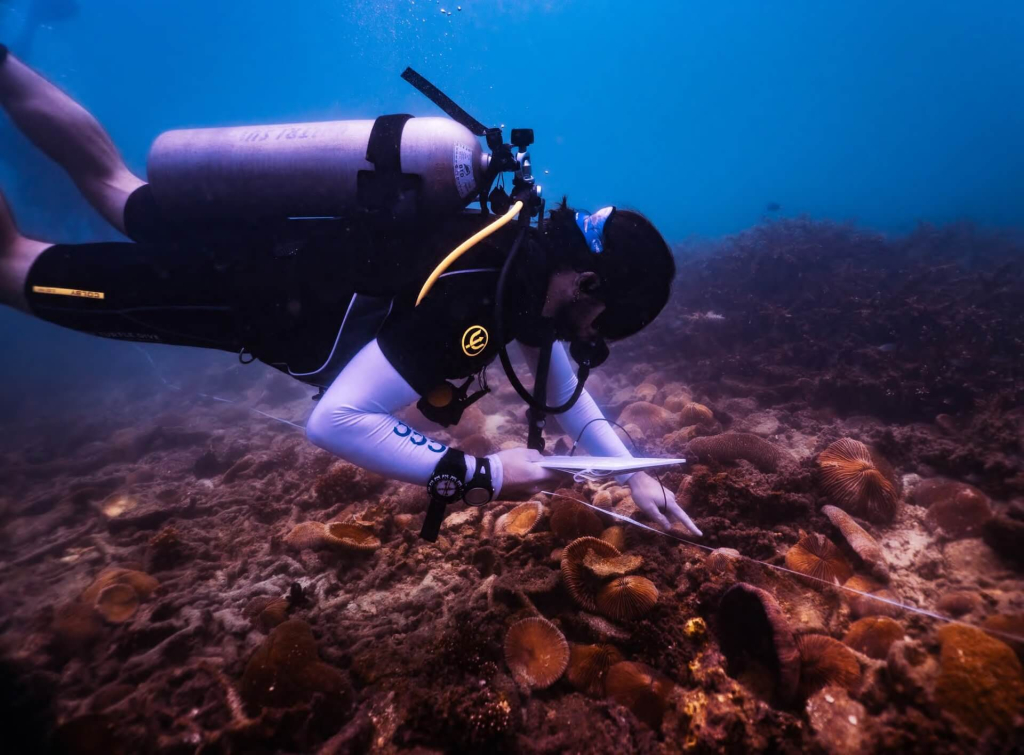
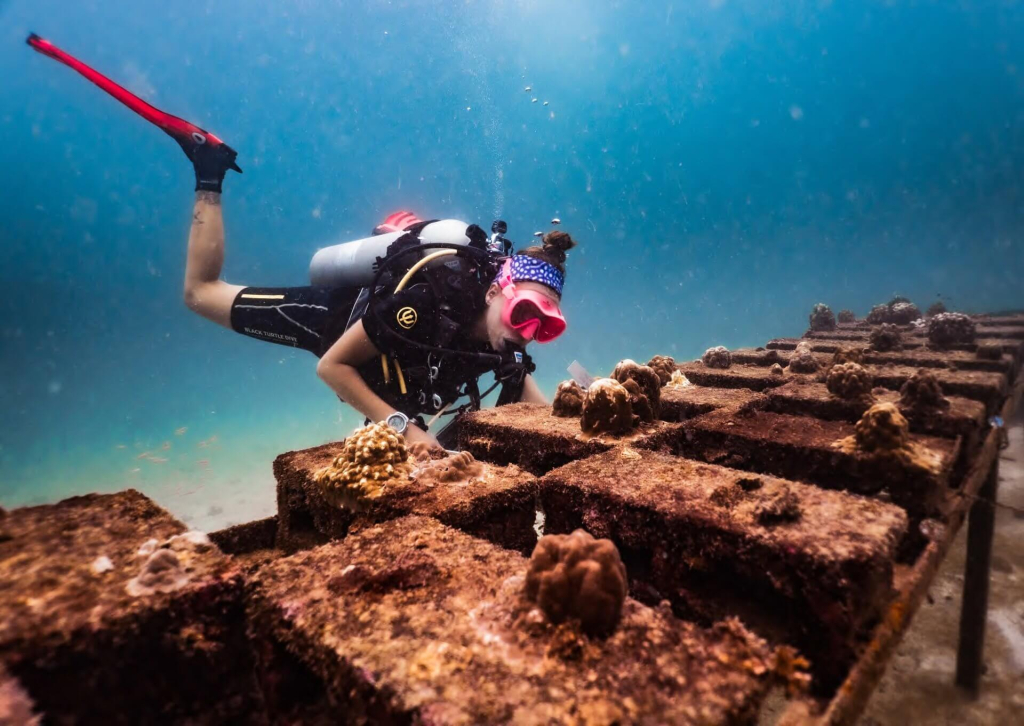
Marine conservation diver measuring transect line distance while conducting coral reef surveys during the Advanced Ecological Monitoring Program in Koh Tao.
Local Heroes: Engaging the Koh Tao Community
Sustainable marine conservation cannot be achieved without the active participation of local communities.
Black Turtle Conservation collaborates with local schools, local government, Department of Marine & Coastal Resources (DMCR), businesses, and community groups to raise awareness about the importance of marine conservation and to encourage responsible environmental practices.
Cultivating the Next Generation of Advocates
Our conservation courses cover a range of topics, from the basics of marine biology to addressing the specific challenges faced by Koh Tao’s unique marine ecosystem.
By fostering a sense of curiosity and responsibility among young students, our conservation courses and programs aim to cultivate the next generation of conservation advocates.
Additionally, participants organise and publish community clean-up events, where locals are encouraged to join in efforts to remove marine debris from beaches and coastal areas.
Engaging local businesses, particularly those in the tourism sector, is also crucial.
Participants work with dive shops, hotels, and restaurants to promote sustainable tourism practices, such as reducing single-use plastics, supporting eco-friendly products, and educating tourists about responsible behavior in marine environments.
By creating a network of informed and committed stakeholders, these efforts help build a community that is actively involved in the protection and preservation of Koh Tao’s marine resources.
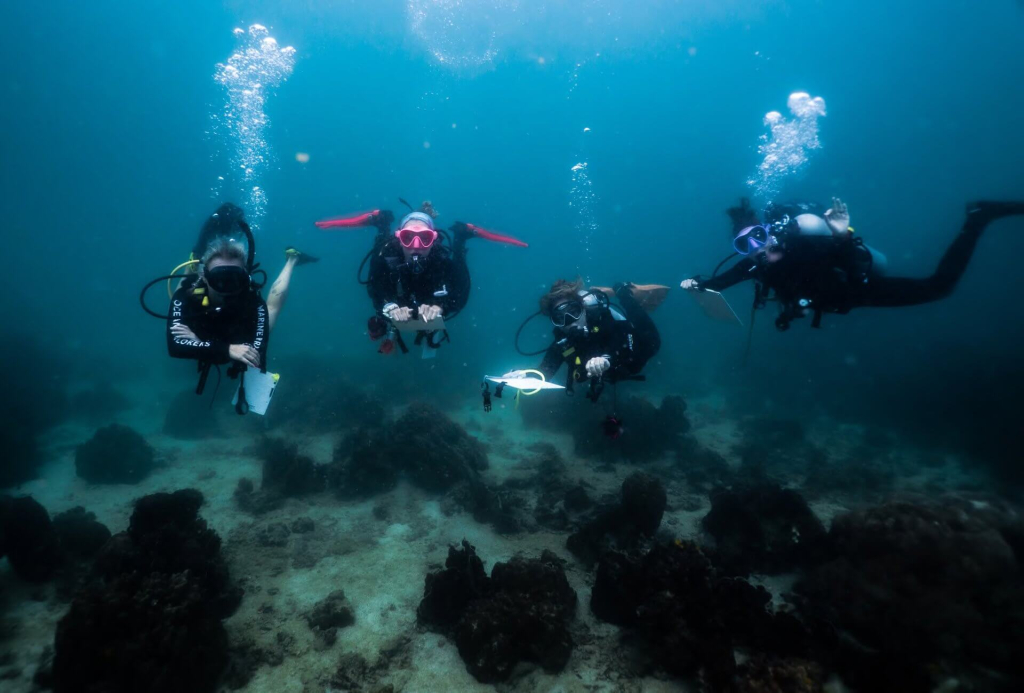
Marine conservation divers practicing coral reef monitoring surveys during the Conservation Specialist program in Koh Tao, Thailand.
Proven Success: Case Studies in Marine Conservation
Participants examine case studies that highlight innovative approaches and best practices in marine conservation.
These case studies provide valuable insights and inspiration, demonstrating what can be achieved through dedicated efforts and effective strategies.
One case study is the Great Barrier Reef Marine Park Authority’s efforts to manage and protect the world’s largest coral reef system.
Through a combination of stringent regulations, active management, and scientific research, this initiative has made significant strides in mitigating threats such as coral bleaching and overfishing.
From the Great Barrier Reef to Black Turtle Dive
Closer to home, participants also learn about successful local initiatives, such as the work being done at Black Turtle Dive.
This includes organised beach cleans, the Cigarette Butt Challenge, and the use of recycled and sustainable products. These localised projects focus on immediate impacts like marine debris removal and community engagement.
Through collaborative efforts with local businesses and volunteers, these initiatives have achieved remarkable results in enhancing the health and resilience of Koh Tao’s reefs.
These case studies not only highlight successful strategies but also emphasise the importance of collaboration, innovation, and adaptability in marine conservation.

Master Conservationist students completing shark survey training while snorkeling as part of a 6-week conservation program in Koh Tao.
The Horizon: The Future of Conservation on Koh Tao
After our 7-Day Impact Conservation Surveys, participants reflect on the knowledge and experiences they have gained over the week.
The Learning Pathway has provided a comprehensive understanding of the various facets of marine conservation, from data collection and coral health analysis to community engagement.
More importantly, it has highlighted the critical role that each individual and community plays in the preservation of Koh Tao’s marine environment.
Looking ahead, the future of Koh Tao’s marine conservation efforts depends on sustained commitment and collaboration among all stakeholders.
Continued monitoring and research are essential to track changes in the marine environment and to inform adaptive management strategies.
The involvement of local communities, businesses, and tourists is crucial in fostering a culture of environmental ethics and sustainable practices. By building on the foundations laid by initiatives like our weekly survey timetable, Koh Tao can continue to protect its marine treasures for future generations.
Fostering a Lasting Connection with the Blue Planet
Your journey through Koh Tao’s conservation surveys is not just about gathering data and implementing projects.
It is about fostering a deep connection with the marine environment and a shared responsibility to protect it. As survey participants return to their daily lives, they carry with them a renewed sense of purpose and a commitment to making a positive impact.
Through collective efforts and unwavering dedication, we can ensure a vibrant and thriving future for Koh Tao’s marine ecosystem.

Sea Turtle Identification and Population Monitoring on Koh Tao

COURSE PRICES & BOOKING