Marine debris threatens our oceans, but solutions abound. Join us here on Koh Tao as we explore ways to combat pollution and reclaim our blue planet.
Defining the Crisis: Understanding Marine Debris
Marine debris, often referred to as marine litter, encompasses a wide range of human-created waste that has been discharged into the ocean. Here on Koh Tao, debris comes from various sources, including land-based activities, ocean-based activities, and even atmospheric deposition. The types of marine debris are diverse and can include plastics, metals, rubber, glass, and many other materials that do not readily degrade.
Plastics, in particular, are a major concern globally and particularly here on Koh Tao. Plastics are now the most widespread material on the planet; they are durable, lightweight, and will persist in the marine environment for hundreds of years. According to the United Nations Environment Programme (UNEP), plastic constitutes the largest and most persistent fraction of marine litter.
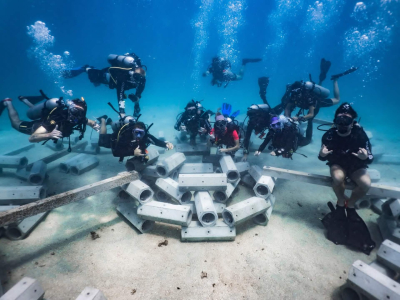
Students conducting a plastic pollution assessment
The Hidden Threat: Microplastics and Invisible Polluters
One of the most insidious forms of marine debris is microplastics, which are tiny plastic particles less than five millimeters in length. These microplastics can originate from larger plastic debris that has degraded over time or that are primarily micro-sized—most commonly leached from consumer products such as cosmetics and synthetic clothing fibers.
They can also be described as the invisible polluters, with most of these microplastics being too small to notice and therefore too small to take action to remove. Despite their small size, microplastics pose a significant threat to marine life. They are often mistaken for food and easily ingested by a wide range of organisms, from microscopic plankton to the largest of marine mammals. Additionally, microplastics can absorb and concentrate toxic chemicals, making them even more harmful when ingested and toxic to the marine ecosystem.
Ghost Gear: A Troubling Cycle in the Gulf of Thailand
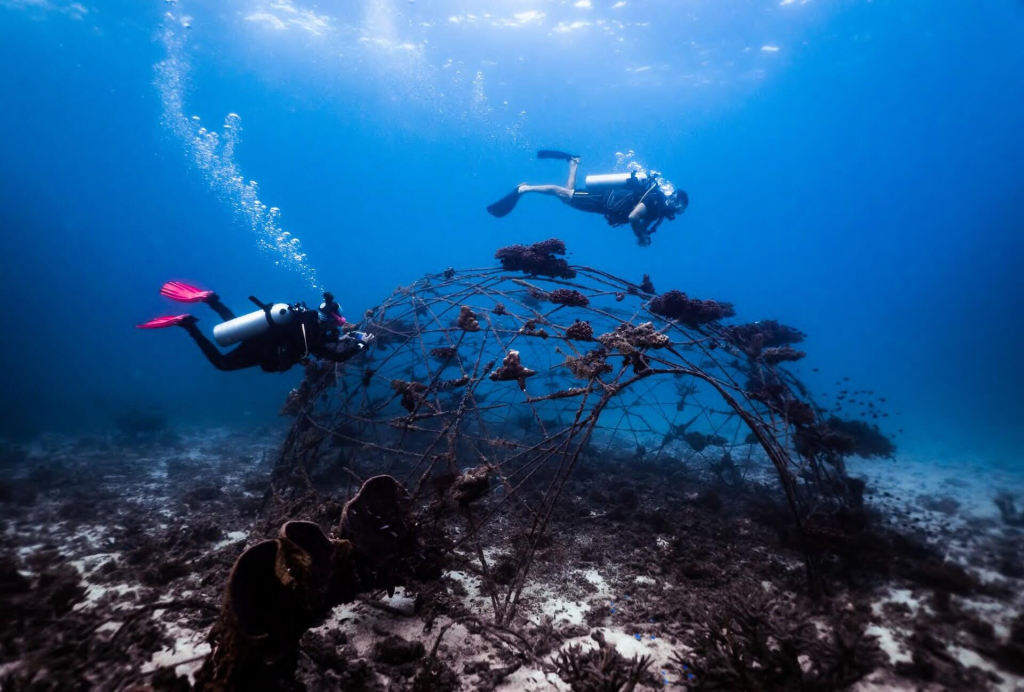
In the Gulf of Thailand, marine debris also includes abandoned, lost, or discarded fishing gear—often called ghost gear. This gear can continue to trap and kill marine life long after it’s lost, creating a troubling cycle of entanglement and mortality in local waters. Ghost gear is especially harmful because it can snare any and all marine life, damage sensitive underwater ecosystems such as coral reefs, and create navigation and safety hazards for boats and divers.
Understanding the different types of marine debris found in the Gulf of Thailand is essential for designing targeted strategies to reduce their impact and protect its unique marine ecosystems. Organizations like NOAA emphasize that derelict fishing gear is one of the most significant threats to the benthos.
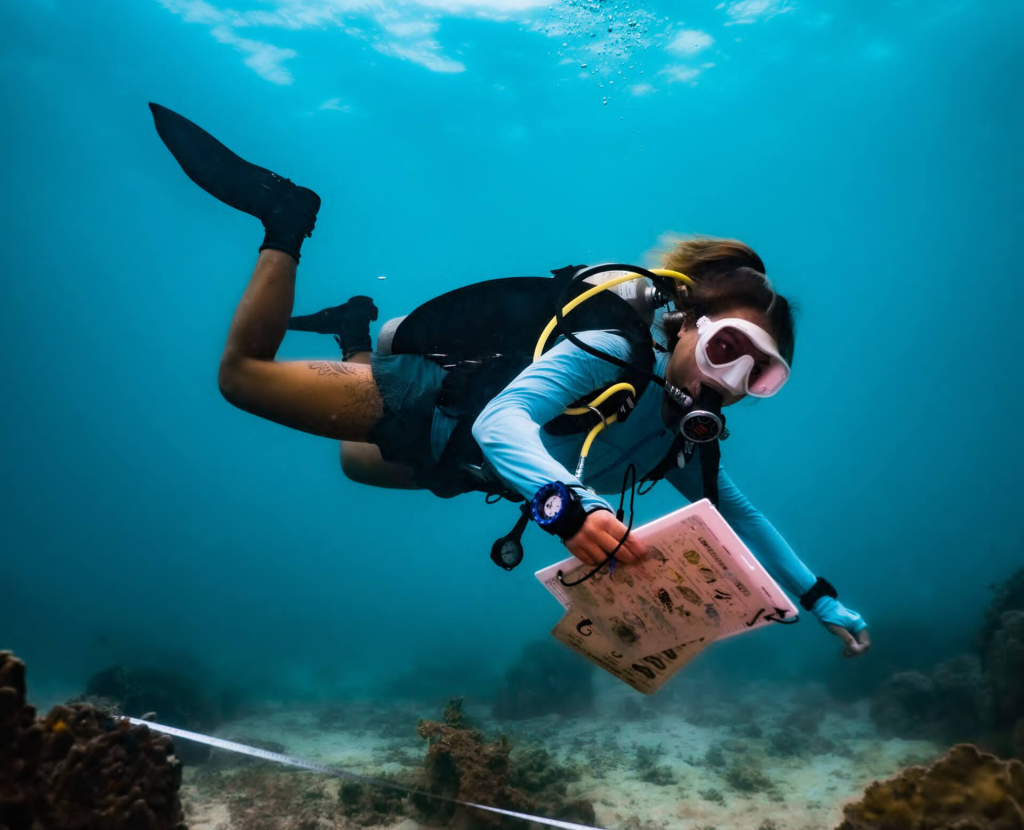
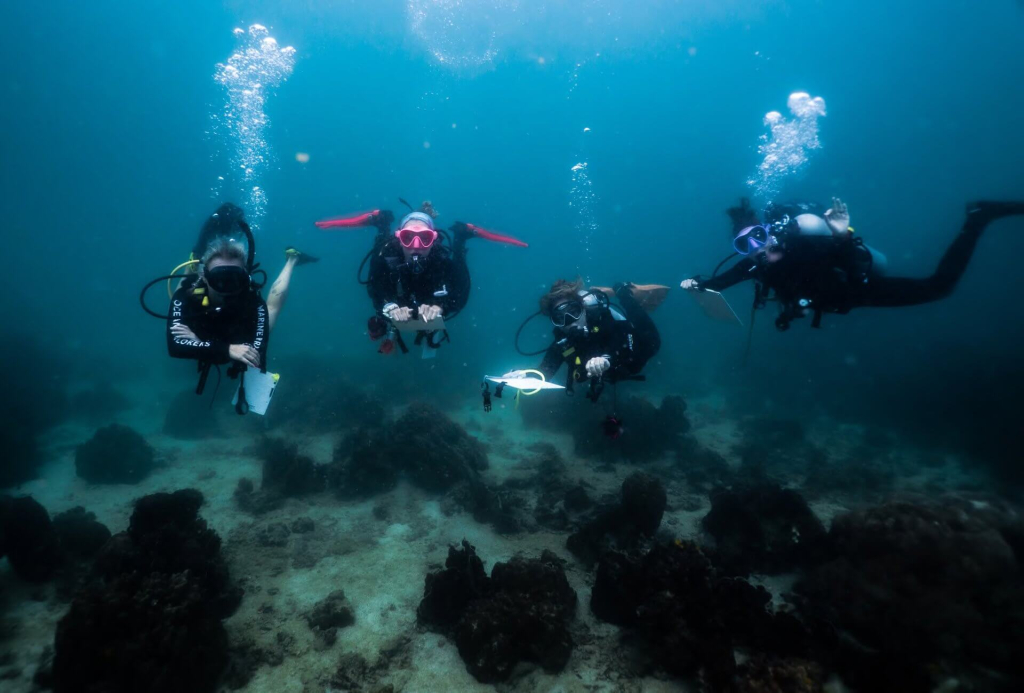
Students collecting and recording marine debris data underwater during the Marine Pollution: Monitoring & Assessment course in Koh Tao.
The Toll on Life: Impact on Ocean Ecosystems
The presence of marine debris in our oceans globally and specifically here around Koh Tao has profound and far-reaching impacts on marine ecosystems.
Entanglement and Ingestion: A Danger to Marine Megafauna
One of the most visible problems is animals getting entangled in debris like fishing nets, plastic bags, and other discarded materials found near popular sites such as Shark Island, Chumphon Pinnacle, and Green Rock. Entanglement can cause injury, suffocation, drowning, or death, impacting species such as sea turtles, seabirds, reef fish, and larger fish such as Whale Sharks. The loss of these animals not only affects marine biodiversity but also disrupts the balance of marine ecosystems.
Beyond physical entanglement, eating marine debris is a major concern too. Marine animals often mistake plastic litter for food, leading to ingestion that can cause internal injuries, blockages, malnutrition, and exposure to toxic substances. For example, Sea Turtles here may swallow plastic bags thinking they’re jellyfish, a common prey around Koh Tao’s reefs. Ingested plastic can fill up the stomach, giving a false sense of fullness that leads to starvation.
This issue is not limited to large species; even plankton, the foundation of the marine food web, can ingest microplastics, which then bioaccumulate up the trophic levels, and ultimately affect human health.
Smothering the Reef: Ecological Risks to Coral Habitats
Marine debris also has significant ecological impacts on our coral reefs. Coral reefs are critical habitats for numerous marine species, providing food, shelter, and breeding grounds. Debris can smother coral colonies, block sunlight, and introduce invasive species that disrupt the native ecosystem. Coral reefs can suffer from “ghost nets” that break and damage their delicate structures, leading to long-term degradation. As these habitats decline, the species that depend on them are also at risk, further exacerbating the ecological imbalance. Professional divers often monitor these changes through the Ecological Monitoring Program (EMP).
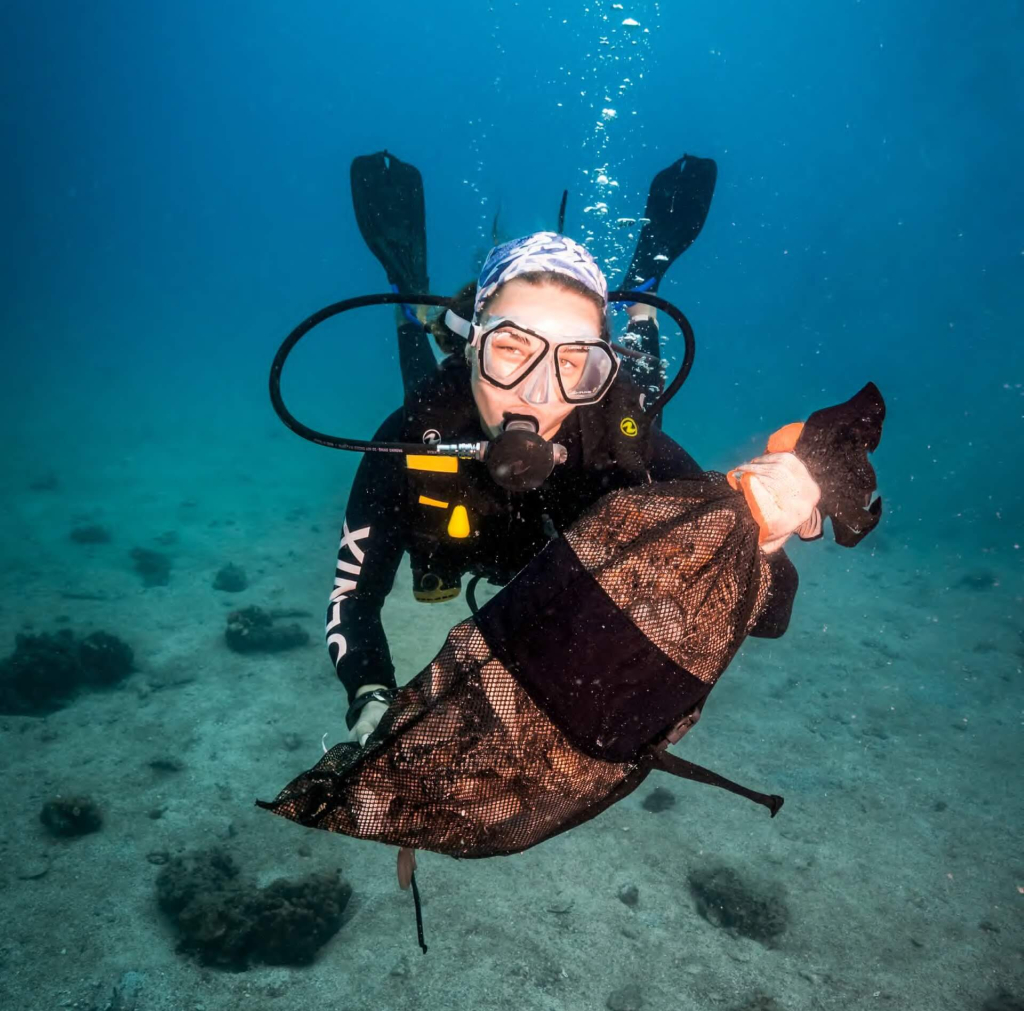
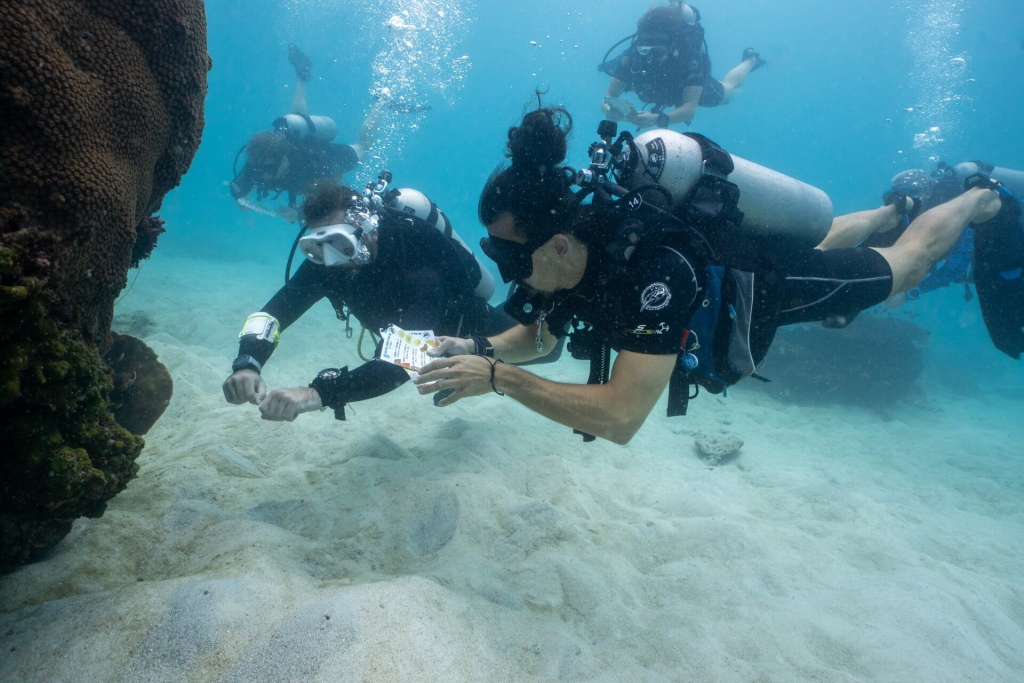
Marine conservation divers conducting an underwater survey to assess plastic and debris pollution around Koh Tao reefs.
The Global Scale: Key Statistics and Economic Reach
The scale of marine debris is staggering, with millions of tons of waste entering our oceans each year. According to recent estimates, approximately 8 million metric tons of plastic waste alone enter the ocean annually. This figure is projected to increase if current waste management practices and plastic production trends continue. By 2050, it is estimated that there could be more plastic in the ocean by weight than fish.
The impact of marine debris is not confined to the ocean; it also affects coastal communities and economies worldwide, Koh Tao being one of these affected coastal communities. Sustainable tourism and the fishing and shipping industries are particularly vulnerable to the negative effects of marine pollution. Coastal areas littered with debris are less attractive to tourists, leading to decreased revenue for local businesses. The fishing industry suffers from reduced fish stocks and contaminated catches, while the shipping industry faces increased risks of vessel damage and navigational hazards.
Tracing the Flow: Major Sources of Marine Debris
Understanding the sources of marine debris is essential for developing effective prevention and mitigation strategies. The primary sources can be broadly categorized into land-based and ocean-based activities. Land-based sources are the most significant contributors, accounting for approximately 80% of marine debris. These sources include improper waste disposal, littering, and stormwater runoff.
Urban areas generate large amounts of plastic waste, which can be carried by wind and waterways into the ocean. Ocean-based sources around Koh Tao include commercial and recreational fishing and regional shipping. In addition, natural events such as storms can wash debris from coastal infrastructure into the sea. Understanding these sources is essential for maintaining the island’s beauty and protecting marine life, a core focus of our Conservation Specialist training.
Pathways to Progress: Innovative Solutions for Reduction
Addressing the issue of marine debris requires innovative and multifaceted solutions. One such solution is the development of biodegradable materials to replace traditional plastics. Another promising solution is the implementation of extended producer responsibility (EPR) programs, which hold producers accountable for the entire lifecycle of their products.
Community Action
Cleanup efforts are also critical. Local beach cleanups and community-led initiatives play a vital role here on Koh Tao in removing debris from our pristine beaches and shallow bays. The most effective approach blends prevention with recovery: minimizing waste at the source while actively removing what’s already in the environment. Engaging volunteers and policymakers protects ecosystems and provides hope for our Sea Turtle Ecology and reef species.
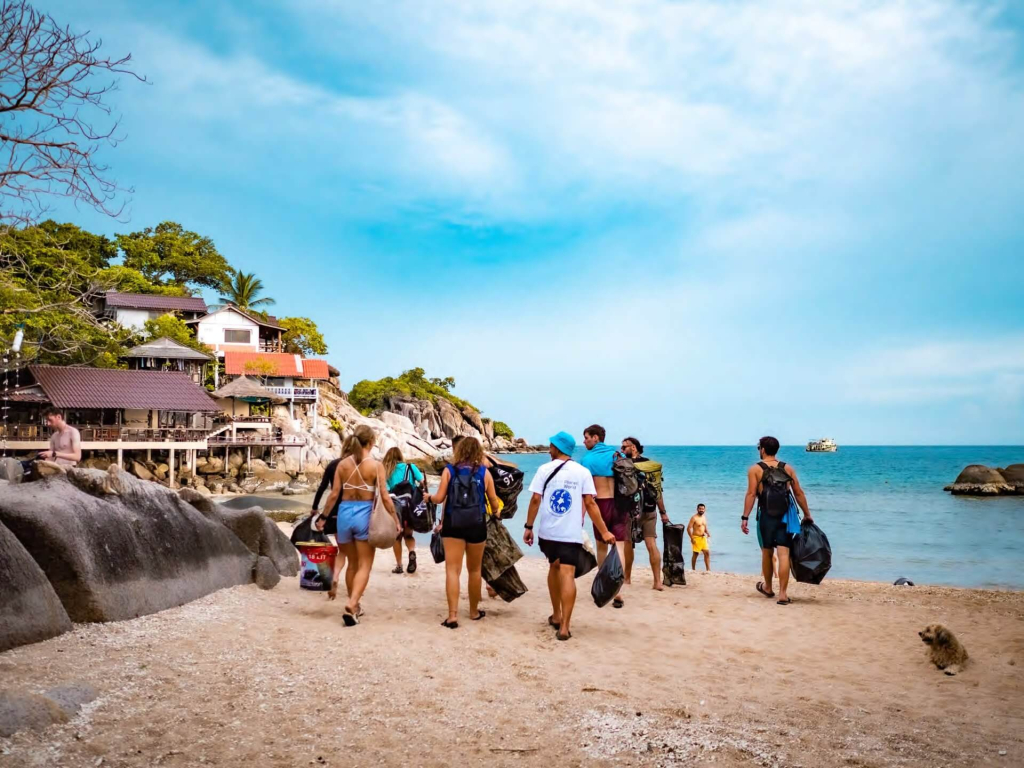
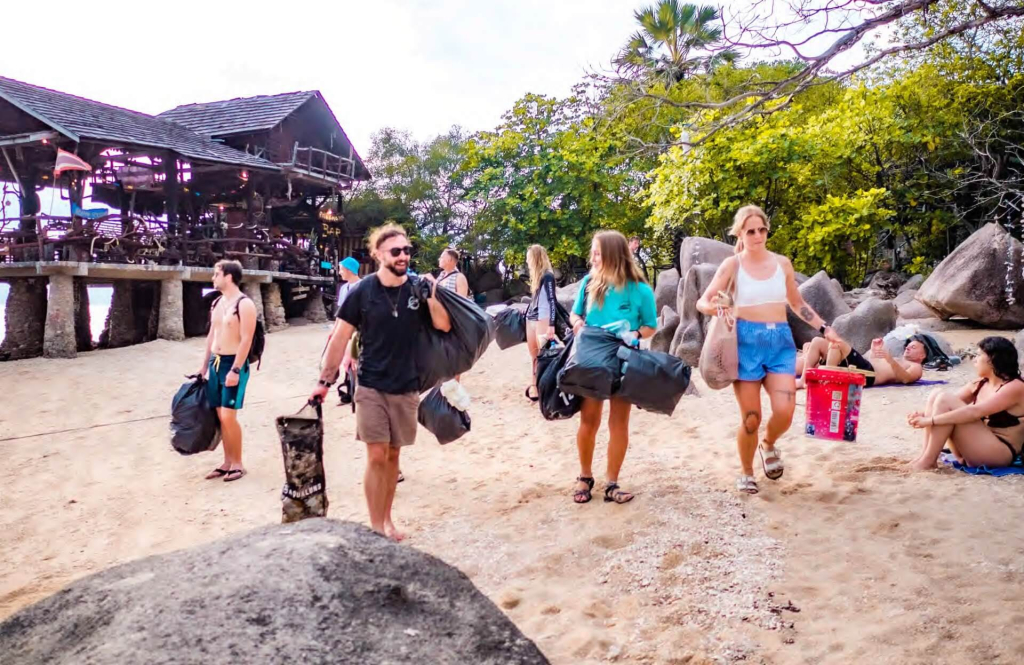
Community members recording marine pollution data during a weekly monitoring and conservation event in Koh Tao, Thailand.
Power in Numbers: Community Involvement and Grassroots Efforts
Community involvement is essential in the fight against marine debris. At Black Turtle Dive, we invite people for weekly beach clean ups, bringing together volunteers to collect and properly dispose of debris. These efforts not only remove litter but also raise awareness about the scale of the crisis.
Local Impact
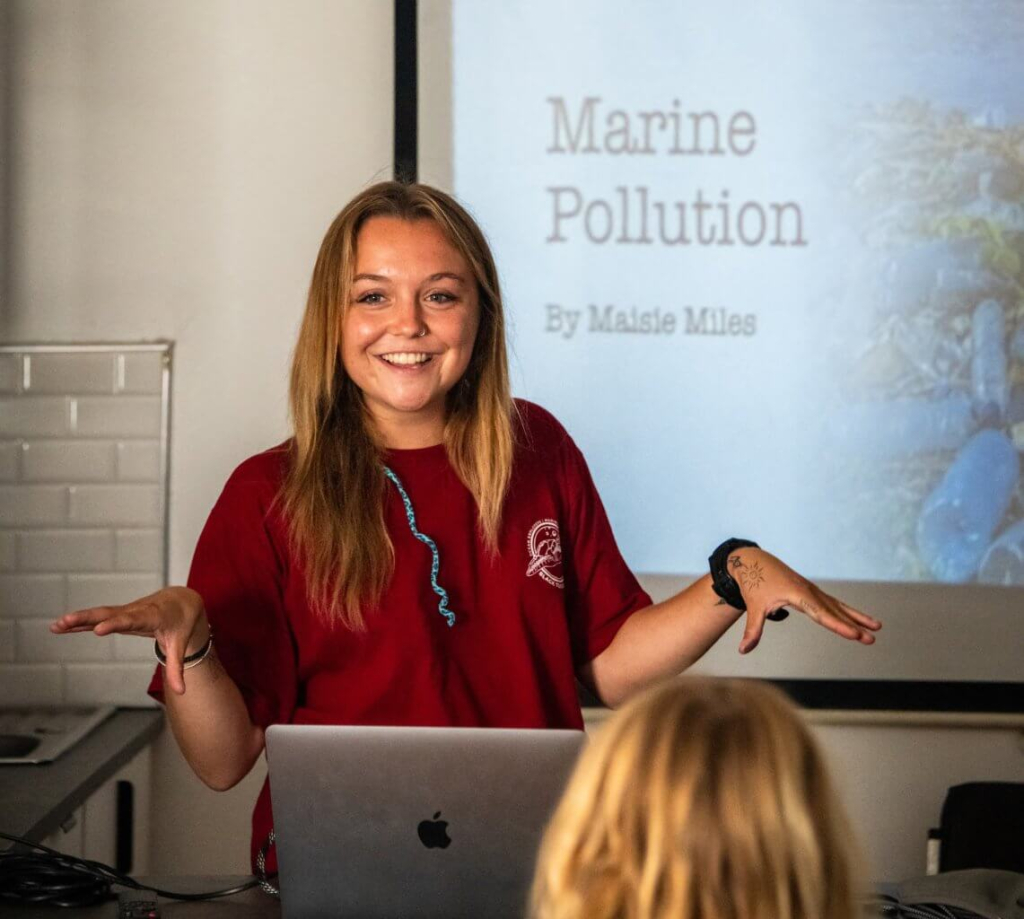
Educational programs are crucial in fostering a sense of stewardship for the ocean. At Black Turtle Dive, raising awareness is the first step. Workshops, presentations, and activities that educate people about the sources and impacts of marine debris are examples of the many ways we involve people in tackling the issue. This often leads divers to pursue more advanced training like our Conservation Divemaster Program.
Citizen Science: Data-Driven Conservation with Dive Against Debris
Citizen science projects are another valuable way for communities to contribute. These projects involve volunteers in scientific research and data collection. Dive Against Debris is a global citizen-science program by the PADI AWARE Foundation. This allows volunteers to collect, log, and report debris, providing valuable data to researchers. By participating, individuals play an active role in restoration ecology.
Making Waves: Individual Actions to Reduce Waste
Individual actions can have a significant impact. Choosing reusable products, such as water bottles, shopping bags, and food containers, can significantly reduce plastic waste. Avoiding products with excessive packaging and opting for bulk purchases are also effective personal changes.
Koh Tao’s Journey Toward a Plastic-Free Future
Koh Tao has seen a range of efforts to curb single-use plastics. Many dive operators, hotels, and restaurants have adopted zero- or low-plastic policies. Community-driven actions, organized by NGOs and volunteers, help remove waste and raise awareness. Waste segregation and efforts to minimize landfill leakage are also prominent.
Get Involved in Local Action
Public awareness campaigns target tourists and residents, promoting responsible disposal. While challenges like seasonal tourism surges remain, these efforts present opportunities to expand plastic-free practices across the wider Koh Tao community, reinforcing the island’s reputation as a premier diving destination. For more information on costs, you can view our diving course prices.
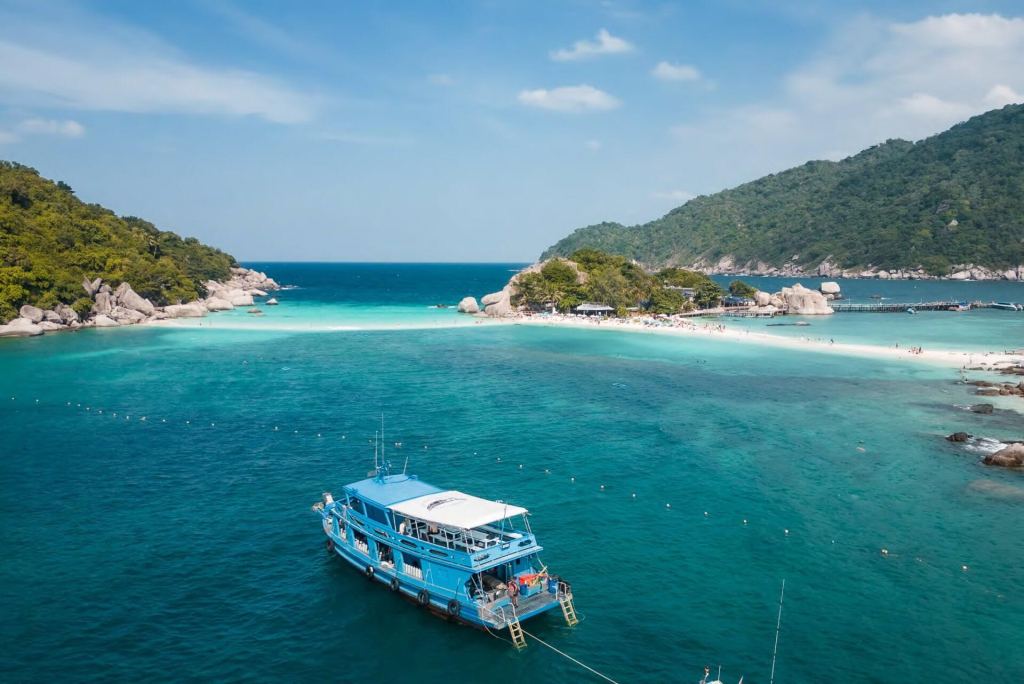
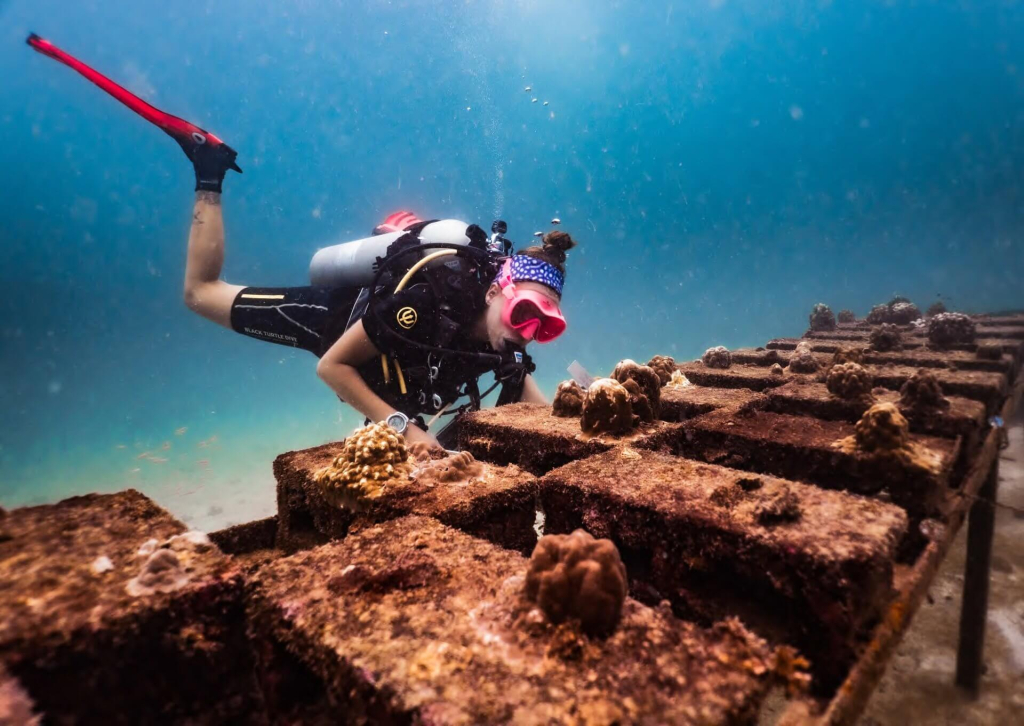
Tropical reef diving environment in Koh Tao where Core Conservationist students train and take part in marine conservation activities.
The Path Forward: A Call to Action for a Cleaner Future
The issue of marine debris is a complex challenge that requires a collective effort. By leveraging technology, enacting effective policies, and taking individual actions, we can make significant progress. It is essential for governments, industries, and individuals to work together to create a sustainable future.
Healthy Oceans
The health of our oceans is critical for the well-being of our planet. We invite you to join us in the fight against marine debris. Together, we can create a cleaner, healthier, and more sustainable future for our blue planet. Whether through a simple cleanup or mastering Coral Taxonomy, every effort counts.


COURSE PRICES & BOOKING