Gardineroseris is a small, essentially monotypic genus of stony corals in the family Agariciidae, represented in practice by a single widely recognised species, Gardineroseris planulata. The genus was established by Scheer and Pillai in 1974 to accommodate this distinctive species, which produces colonies with a uniquely irregular hexagonal honeycomb pattern of deep corallites separated by sharp walls.

Gardineroseris planulata is widely distributed across the tropical Indo-Pacific from East Africa through Southeast Asia and out to the Pacific. Despite its wide distribution, the genus is generally not abundant on most reefs, occurring as scattered colonies rather than dense populations. Its distinctive hexagonal corallite pattern, however, makes it readily recognisable when present.

Around Koh Tao, Gardineroseris is uncommon but distinctive when present, often occurring as massive or encrusting colonies on slope habitats. This guide explores the morphology, feeding strategy, distribution, environmental requirements, vulnerability profile, field identification, and conservation training opportunities offered by Black Turtle Conservation.

Common Names: Honeycomb Coral, Gardiner’s Coral

Family: Agariciidae

Order: Scleractinia (Stony Corals)

Subclass: Hexacorallia | Class: Anthozoa | Phylum: Cnidaria

Learn About Gardineroseris Coral Genus

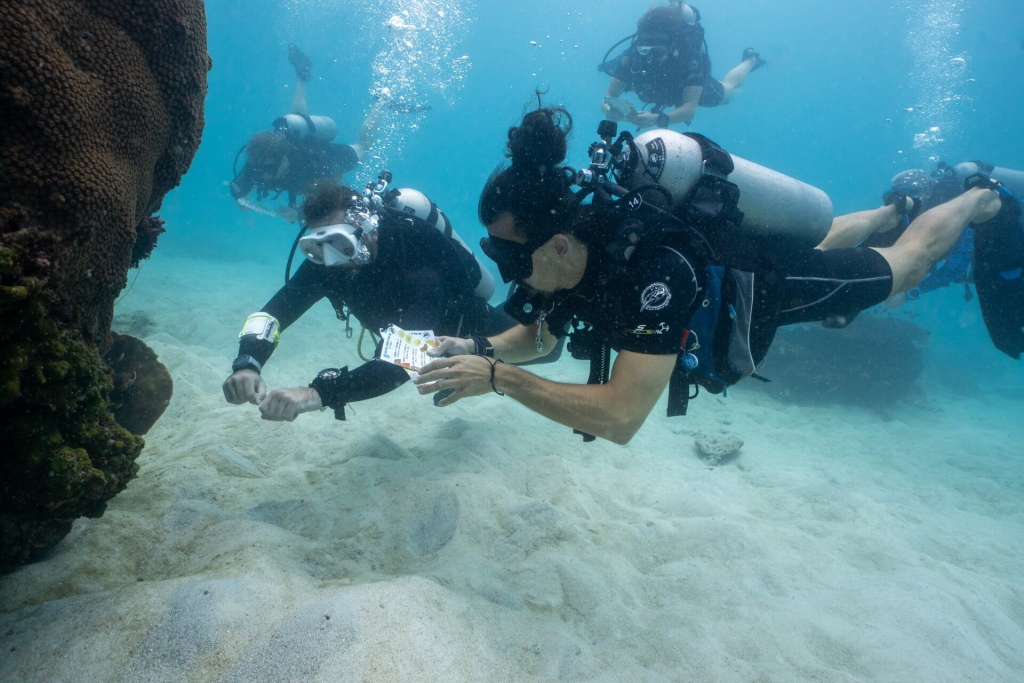
Healthy coral reef ecosystem with diverse fish species recorded during coral disease and reef health monitoring in Koh Tao, Thailand.
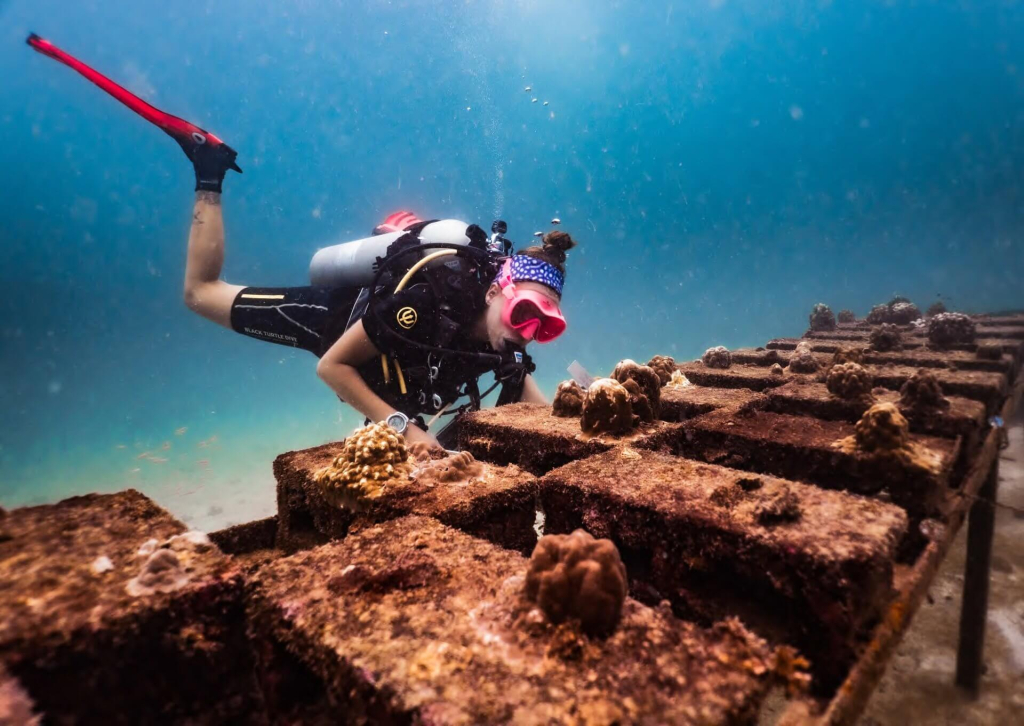
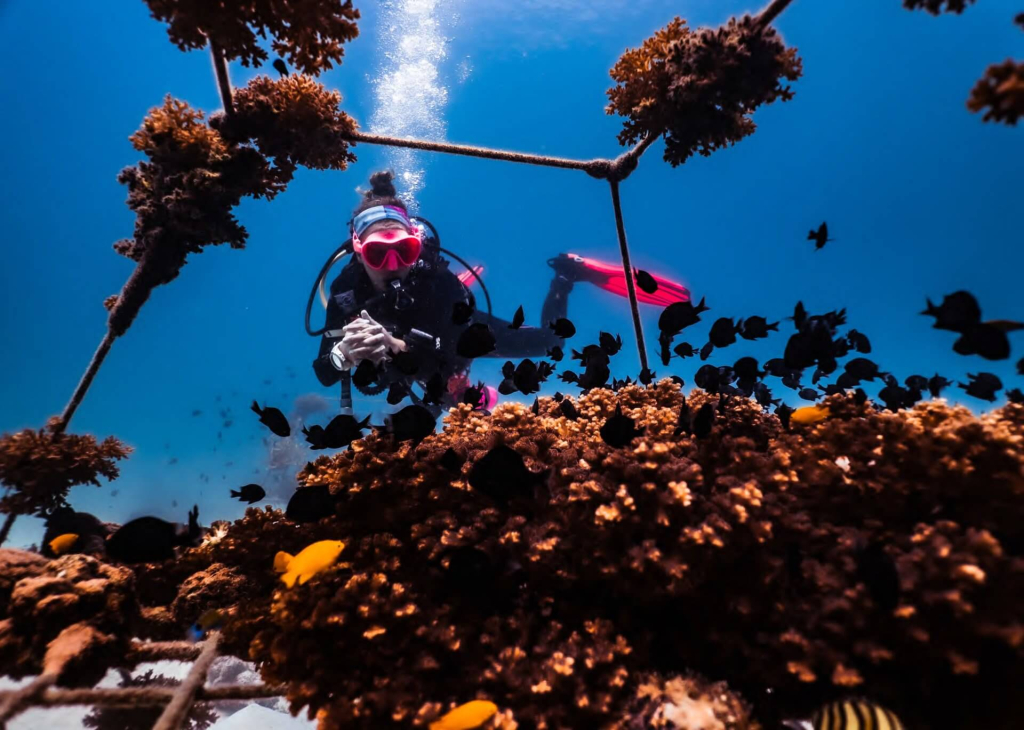
Marine conservation diver monitoring coral growth and fish populations on an artificial reef at Black Turtle Conservation, Koh Tao.
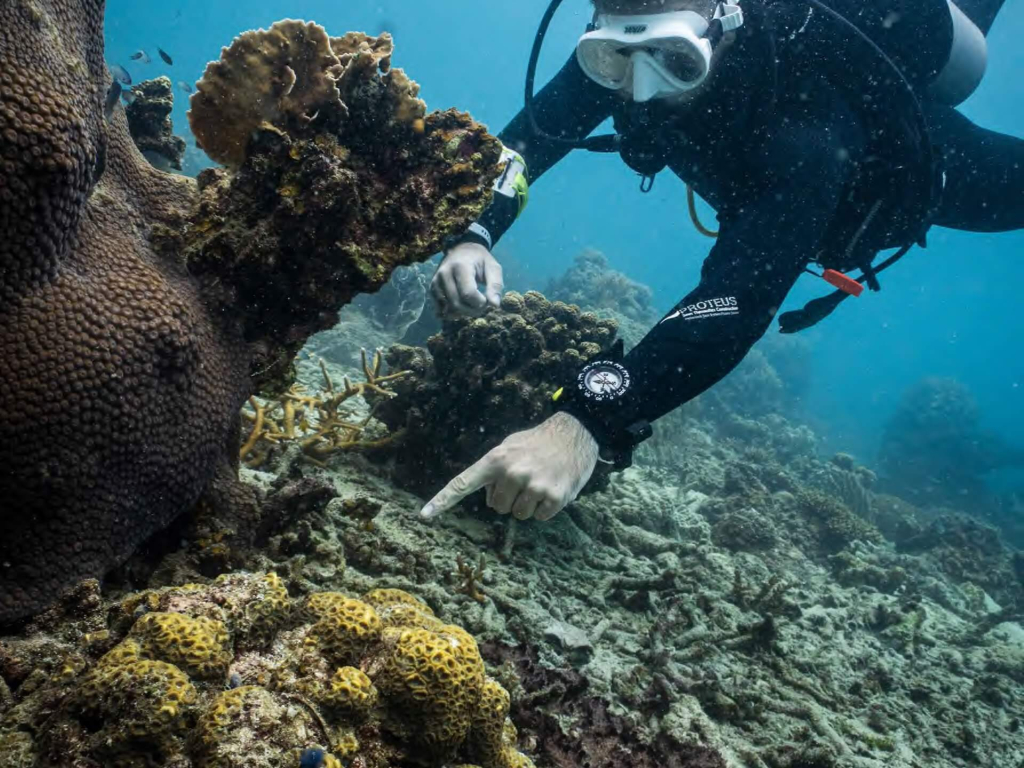
Student identifying coral species underwater during the Coral Taxonomy & Identification course with Black Turtle Conservation in Koh Tao, Thailand.

Overview of the Genus

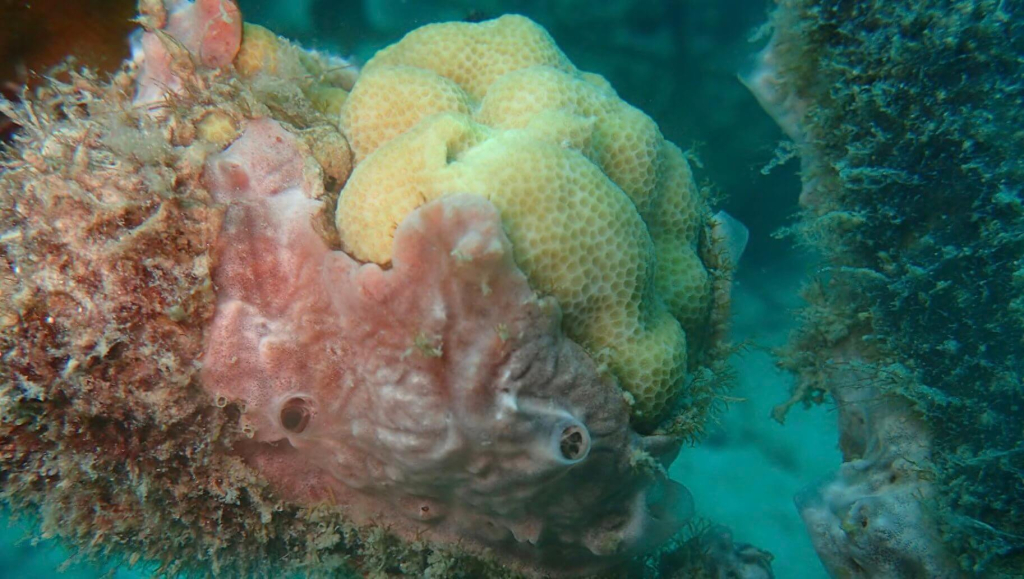
Gardineroseris is one of the more taxonomically restricted reef-coral genera, containing essentially a single widely recognised species. Its colonies are immediately distinguished by a irregular hexagonal honeycomb pattern of deep corallites with sharp walls, unlike the smoother thamnasteroid surfaces of related Agariciidae genera such as Pavona and Pachyseris.

The genus belongs to the family Agariciidae alongside Pavona, Leptoseris, and Coscinaraea, but its combination of irregular hexagonal corallites and sharp walls gives it a visual identity quite distinct from the rest of the family. The genus was named in honour of Sir J. Stanley Gardiner, an early twentieth-century coral biologist whose work on Indo-Pacific reefs established the foundations for much subsequent scleractinian taxonomy.

On Koh Tao, Gardineroseris is encountered occasionally on slope habitats and contributes to overall reef biodiversity through its distinctive surface architecture, even though it is rarely a dominant component of any single site.

Global and Local Importance

Globally, Gardineroseris planulata occurs across the tropical Indo-Pacific from the Red Sea and East Africa through Southeast Asia and out to the East Pacific. Although scattered rather than abundant, the genus contributes to reef biodiversity across this wide range and is a useful reference taxon for understanding irregular cerioid corallite arrangements.

On Koh Tao, Gardineroseris is uncommon but consistent in its presence at slope habitats. Tracking sightings of the genus contributes to broader assessments of agariciid coral diversity and to the documentation of less common but persistent components of the reef community.

Reef-Building Contribution and Habitat Provision

Gardineroseris colonies, although usually modest in size and abundance, contribute substantial three-dimensional structure relative to their footprint area through their deeply incised hexagonal architecture. The deep corallites and sharp, angular walls create microhabitat for very small cryptobenthic invertebrates that exploit the protected spaces within the corallite cups.

The hexagonal surface architecture of Gardineroseris also creates microscale topographic complexity that contributes to reef habitat diversity, complementing the more uniform surfaces of dominant massive reef-builders on Koh Tao slopes.

Growth Forms and Colony Variation

Gardineroseris planulata produces colonies that are typically massive, encrusting, or platy, with a strongly hexagonal honeycomb surface pattern. Colonies tend to remain modest in size, typically under 50 cm across, although larger examples occur in particularly favourable habitats.

Colour is typically uniform brown, olive, or yellow-brown, sometimes with greenish tints. The combination of hexagonal architecture and modest colour variation gives the genus a distinctive but understated visual identity that is easily missed by untrained observers but immediately recognisable to those familiar with the surface pattern.

Evolutionary and Taxonomic Notes

Gardineroseris is part of the family Agariciidae, which has been considerably revised in recent decades through molecular phylogenetic work. The genus’s distinct hexagonal corallite pattern reflects an evolutionary trajectory toward a discrete, deeply incised cerioid arrangement that contrasts with the more thamnasteroid surface architectures of other agariciid genera.
Morphology

Healthy coral reef ecosystem with diverse fish species recorded during coral disease and reef health monitoring in Koh Tao, Thailand.
Marine conservation diver monitoring coral growth and fish populations on an artificial reef at Black Turtle Conservation, Koh Tao.
Student identifying coral species underwater during the Coral Taxonomy & Identification course with Black Turtle Conservation in Koh Tao, Thailand.

Colony Structure and Skeletal Features

Gardineroseris colonies are massive, encrusting, or platy, with a distinctive hexagonal cerioid corallite arrangement. Adjacent corallites share their walls, but the walls themselves are notably sharp and the corallites are deeply incised compared with most cerioid genera, giving the colony a strongly textured honeycomb appearance.

Septa within each corallite are well-developed, though no paliform lobes around the columella are present. The combination of irregular hexagonal arrangement, deep corallites, and sharp walls is the diagnostic skeletal signature of the genus.

Polyps and Tissue Characteristics

Gardineroseris polyps are moderate in size and bear short tentacles that retract during the day and extend at night for feeding. The deep corallite cups allow polyps to retract substantially below the colony surface when disturbed, providing physical protection against predators and physical disturbance.

The tissue layer is moderate in thickness and holds adequate zooxanthellae densities for effective photosynthesis across the colony surface. The relatively recessed polyp position within the deep corallites is unusual within Agariciidae and contributes to the genus’s distinctive ecological profile.

Skeletal Microstructure and Calcification

Gardineroseris skeletons are aragonitic and notably dense, with sharp corallite walls providing structural support and physical resistance to mechanical disturbance. The skeletal density of Gardineroseris is closer to that of massive faviid-type corals than to the lighter skeletons of other Agariciidae such as Pavona.

Calcification rates are moderate, with growth occurring through extension of the colony margin and gradual addition of new corallites in irregular hexagonal arrangements. Like all reef-builders, Gardineroseris is sensitive to reductions in seawater carbonate saturation under ocean acidification scenarios.

Size, Growth, and Defensive Adaptations

On Koh Tao, mature Gardineroseris colonies typically reach 20–50 cm across, with the largest examples often exceeding 1m at sites with preferential conditions. Growth is slow but persistent, producing the characteristic hexagonal architecture over multi-decade timescales.

Defensive adaptations include nematocyst-armed tentacles, mucus production, deep corallite cups that protect retracted polyps, and dense skeletal walls that resist mechanical damage. The genus is unusually well-defended for its size, contributing to its persistence at slope sites despite its modest abundance.

Dual-Feeding Strategy: How Gardineroseris Feeds and Thrives

Gardineroseris is a zooxanthellate mixotroph that combines photosynthesis carried out by symbiotic dinoflagellates with active heterotrophic capture of zooplankton. The hexagonal honeycomb architecture supports both feeding pathways while providing structural reinforcement against physical disturbance.

1. Autotrophy: Photosynthate from Symbionts

Symbiotic dinoflagellates of the family Symbiodiniaceae living within the gastrodermis carry out photosynthesis and translocate organic compounds to the coral host. The hexagonal corallite architecture exposes a substantial surface area to incoming light, allowing meaningful photosynthetic productivity even though the deep corallites partially shade their own tissue.

This pathway supplies a substantial fraction of the colony’s daily carbon budget under favourable conditions, contributing to the persistent slow growth that produces the genus’s distinctive architecture.

Gardineroseris polyps extend at night to capture zooplankton drifting past on currents. The deep corallite cups create local turbulent flow patterns that enhance food capture by trapping particles within the cup volumes.

Heterotrophic input supplies essential nitrogen, phosphorus, and trace elements, supporting the persistent calcification that defines the genus’s slow but steady growth pattern.

The combination of photosynthesis, heterotrophy, dense skeletal walls, and protective deep corallite cups gives Gardineroseris reasonable resilience to disturbance despite its modest growth rates. The genus is generally less affected by physical disturbance than more delicate foliose genera, although severe thermal stress can still cause significant mortality.

Where to Find Gardineroseris Around Koh Tao and at Which Dive Sites

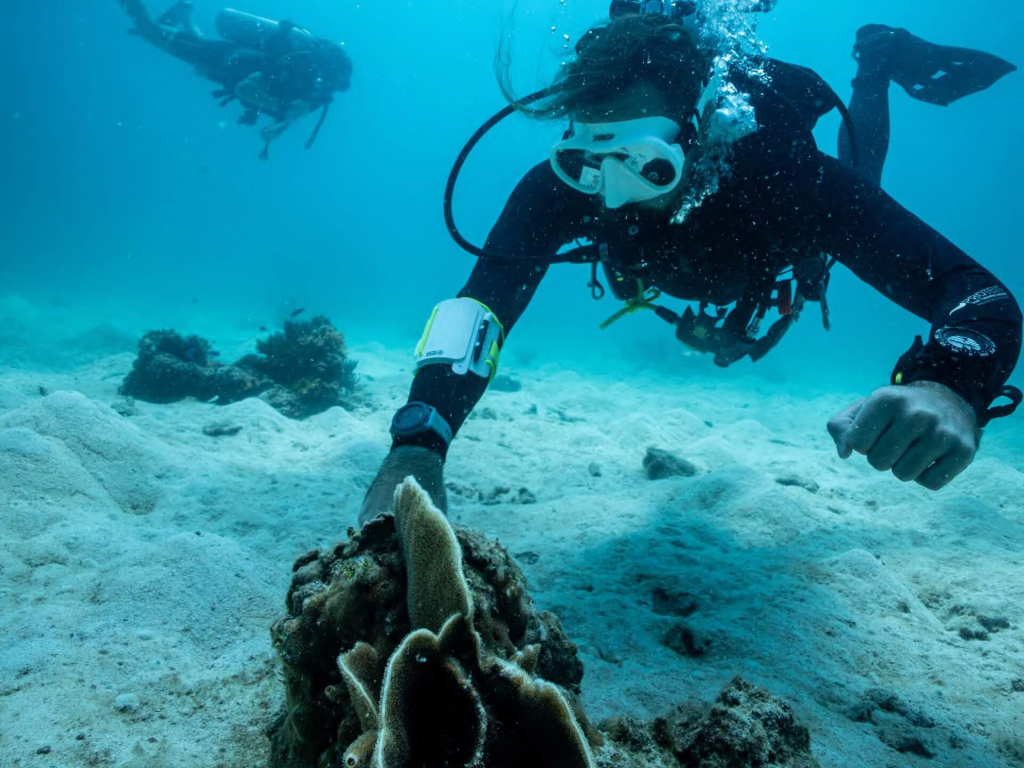
Marine researcher documenting coral species variations during the Advanced Coral Taxonomy course at Black Turtle Conservation, Koh Tao, Thailand.

Gardineroseris is uncommon but consistent on Koh Tao slope habitats. Its hexagonal honeycomb pattern makes individual colonies highly recognisable when present, even though the genus is never abundant at any single site.

Sheltered Bays and Mid-Depth Slopes

Sites such as Aow Leuk, Hin Wong Bay, Tanote Bay, and Mango Bay host occasional Gardineroseris colonies on shallow to mid-depth slopes. The most commonly encountered forms are encrusting and massive colonies, often appearing as small honeycomb-textured patches on rocky substrate.

Pinnacle and Offshore Sites

At Twins, White Rock, Chumphon Pinnacle, and Southwest Pinnacle, occasional Gardineroseris colonies occupy depths of 8–20 m on slopes and bases of granite pinnacles. These pinnacle colonies tend to be small but persistent in stable habitat conditions.

Mid-Depth Slope Habitats

Gardineroseris occurs particularly at intermediate depths on stable slope habitats with moderate light and flow. The deeply textured surface is most visible under good light conditions, where the hexagonal pattern becomes immediately apparent.

Depth Distribution and Site Variation

Gardineroseris is most commonly encountered between 6 and 18 m on Koh Tao, with isolated colonies extending to 25 m on well-lit slopes. Colony size and morphology vary little with depth, although colonies in deeper habitats may grow somewhat more slowly.

Environmental Thresholds: Conditions for Optimal Growth

Gardineroseris occupies a moderate environmental envelope and tolerates a range of conditions on Koh Tao slope habitats, although it is rarely abundant in any single setting.

Optimal Parameters

  • Light Intensity: moderate, performing well at 5–18 m on Koh Tao slopes.
  • Water Movement: tolerates a range of flow conditions; performs well in moderate currents.
  • Temperature Range: 24–30°C, with stress responses triggered by prolonged exposure above 30–31°C.
  • Salinity: stable marine conditions of 33–35 ppt; vulnerable to freshwater pulses during heavy monsoon runoff.
  • Substrate: stable hard substrate, particularly on mid-depth slope and pinnacle base habitats.

Stress Responses on Koh Tao

Gardineroseris can bleach during severe marine heatwaves, with symbionts expelled from the tissue and colonies appearing pale or fully white. The dense skeleton and modest tissue thickness provide some buffering but not full protection, and severe events can cause meaningful mortality even in this generally hardy genus.

Sedimentation, freshwater runoff, and reduced light penetration following heavy monsoon rains compound thermal stress. Colonies in nearshore settings are particularly affected by these stressors, while offshore pinnacle colonies typically remain in more stable condition.

Vulnerability Profile

Marine biology student identifying coral genera as part of the Coral Taxonomy and Identification course at Black Turtle Conservation, Koh Tao, Thailand.
Healthy coral reef ecosystem with diverse fish species recorded during coral disease and reef health monitoring in Koh Tao, Thailand.
Marine conservation diver monitoring coral growth and fish populations on an artificial reef at Black Turtle Conservation, Koh Tao.

Gardineroseris planulata is currently listed as Least Concern on the IUCN Red List, although the genus more broadly faces the same range of climate and anthropogenic pressures as other reef-building corals. The genus is also covered under CITES Appendix II, which has regulated international trade in scleractinian corals since 1990.

Major Threats

  • Coral Bleaching: bleaching during severe marine heatwaves, with moderate buffering from the dense skeleton.
  • Ocean Acidification: progressive reduction in calcification rates as aragonite saturation state declines.
  • Wild Collection: minor harvesting for the ornamental coral trade in some parts of the genus’s range.
  • Local Anthropogenic Impacts: anchoring, fin damage, ghost fishing gear, and chronic sedimentation in zones where colonies are accessible.
  • Habitat Loss: cumulative habitat decline from coastal development and reef degradation.

On Koh Tao, Gardineroseris is monitored as part of broader reef community surveys and is treated as a low-density indicator taxon. Tracking its presence and condition contributes to assessments of agariciid coral diversity and slope-zone biodiversity.

Black Turtle Conservation includes Gardineroseris in slope-zone surveys and uses sightings to refine site-level biodiversity inventories around the island.

How to Identify Gardineroseris Coral

The defining feature of Gardineroseris in the field is the irregular hexagonal honeycomb pattern of deep corallites separated by sharp walls. This combination of irregular hexagonal arrangement, deep corallites, and sharp walls distinguishes Gardineroseris from all other reef-building genera around Koh Tao.

Diver restoring corals by attaching fragments on artificial reef structures during the Coral Restoration course with Black Turtle Conservation in Koh Tao, Thailand.
Marine biology student identifying coral genera as part of the Coral Taxonomy and Identification course at Black Turtle Conservation, Koh Tao, Thailand.
Healthy coral reef ecosystem with diverse fish species recorded during coral disease and reef health monitoring in Koh Tao, Thailand.

Key Identification Features

  • Surface Pattern: irregular hexagonal honeycomb (the diagnostic feature).
  • Corallite Depth: notably deep, with polyps recessed substantially below the colony surface.
  • Corallite Walls: sharp and angular, providing structural reinforcement and clear boundaries between adjacent corallites.
  • Growth Form: massive or encrusting; typically moderate to large in size.
  • Coloration: typically uniform brown, olive, or yellow-brown, sometimes with greenish tints.

Distinguishing from Similar Genera

Favites also produces cerioid hexagonal corallites but typically with thinner walls, more variable corallite shapes, and shallower corallite depths than Gardineroseris. The sharp-walled, deep-cupped, irregular hexagonal pattern of Gardineroseris is consistently more pronounced than in any Favites colony.

Goniastrea produces meandroid valley arrangements rather than discrete hexagonal corallites in mature colonies. Pavona, the closest relative within Agariciidae, has a much smoother thamnasteroid surface without the sharp-walled hexagonal architecture of Gardineroseris.

Mastering Gardineroseris Identification with Black Turtle Conservation

Marine conservation diver monitoring coral growth and fish populations on an artificial reef at Black Turtle Conservation, Koh Tao.

At Black Turtle Conservation we treat reliable Gardineroseris identification as a useful taxonomy benchmark for trainees. The diagnostic hexagonal honeycomb pattern is so distinctive when present that recognising it provides students with a memorable visual benchmark for distinguishing cerioid corallite arrangements from the smoother surface patterns of other Agariciidae genera.

Our Training Approach: From Theory to Survey

Student identifying coral species underwater during the Coral Taxonomy & Identification course with Black Turtle Conservation in Koh Tao, Thailand.

Our Coral Taxonomy and Identification training addresses Gardineroseris through a structured, progressive sequence designed to build confident in-water surveyors capable of recognising the genus despite its modest abundance.

  • Classroom Theory: students learn agariciid morphology, the diagnostic hexagonal honeycomb pattern, and the contrast with Favites, Goniastrea, and Pavona.
  • In-Water Practice: guided dives at all dive sites around Koh Tao, including Aow Leuk, Hin Wong Bay, Twins, and even Chumphon Pinnacle, where Gardineroseris colonies of various sizes are compared to other scleractinian corals for identification practice.
  • Applied Monitoring: participation in slope-zone surveys, where Gardineroseris presence and colony condition are recorded as priority sightings.
  • Comparative Identification: side-by-side comparison with Favites, Goniastrea, and Pavona to consolidate morphology and characteristic recognition skills.

Graduates leave with the practical ability to identify Gardineroseris at genus level under field conditions and to record its presence and condition reliably as part of long-term reef monitoring around Koh Tao.

Frequently Asked Questions

Is Gardineroseris a monotypic genus?

Gardineroseris contains essentially a single widely recognised species, Gardineroseris planulata. The genus is functionally monotypic for taxonomic and field-survey purposes, although other nominal species have been described historically. The single recognised species is widely distributed across the tropical Indo-Pacific, although nowhere abundant.

How do you tell Gardineroseris apart from Goniastrea?

Both genera produce cerioid hexagonal corallites, but Gardineroseris has notably sharper walls, shallower corallite cups, and more irregular hexagonal shapes, with angular walls. Goniastrea typically has thicker walls, more regular corallite shapes, and deeper cups. The sharp-walled, angular, irregular hexagonal pattern of Gardineroseris is consistently more pronounced than in any Goniastrea colony.

Who was Gardineroseris named after?

The genus was named in honour of Sir J. Stanley Gardiner, an early twentieth-century coral biologist whose pioneering work on Indo-Pacific reefs established many of the foundations for subsequent scleractinian taxonomy. Gardiner's name is associated with several other coral taxa as recognition of his contribution to the field.

Where on Koh Tao does Gardineroseris occur?

Gardineroseris is uncommon but consistent on Koh Tao slope habitats. The genus is most reliably encountered on shallow to mid-depth slopes at sites such as Aow Leuk, Hin Wong Bay, Tanote Bay, and Mango Bay, often appearing as small honeycomb-textured patches on rocky substrate. Pinnacle sites also host occasional colonies.

Why are Gardineroseris colonies often small?

Gardineroseris is a slow-growing encrusting to massive coral that does not typically reach the large colony sizes of dominant reef-builders such as Porites or Diploastrea. Colonies on Koh Tao usually reach 20 to 50 cm across, with rare larger examples occasionally exceeding 1m at sheltered sites. The slow growth combined with modest abundance means the genus is rarely a dominant component of any single site, though localised areas of significant abundance can be found.

External Link Citations and References

Veron, J.E.N. (2000). Corals of the World. Australian Institute of Marine Science.

World Register of Marine Species (WoRMS): Gardineroseris Scheer & Pillai, 1974.

IUCN Red List of Threatened Species: Gardineroseris planulata (Least Concern).

Department of Marine and Coastal Resources (DMCR), Thailand: Reef monitoring reports.

Black Turtle Conservation: Coral conservation, monitoring and restoration on Koh Tao.