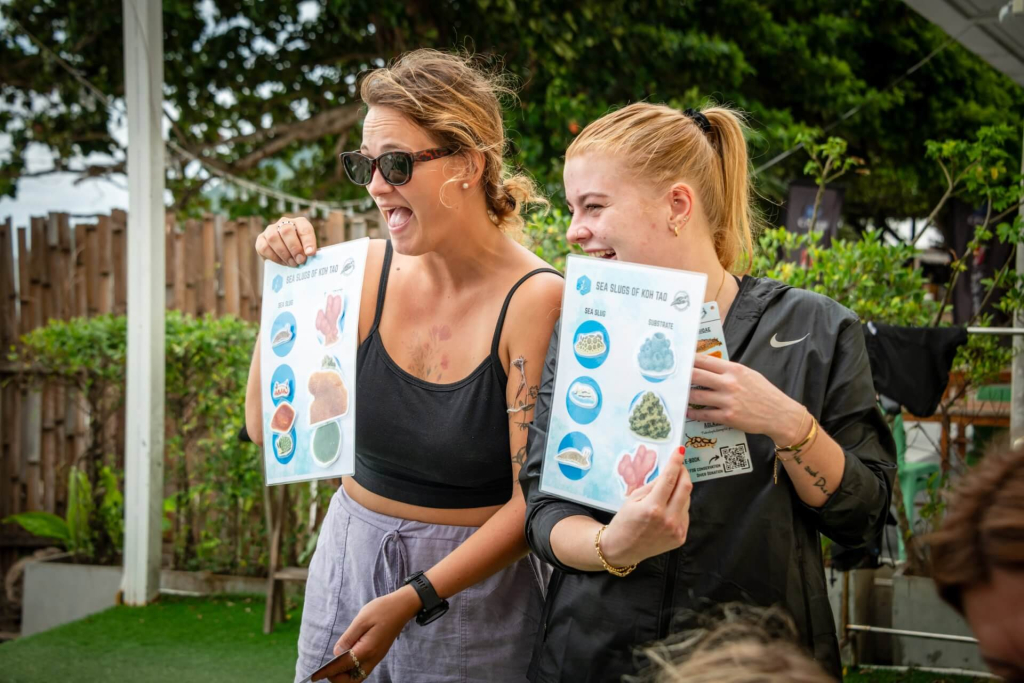
Participate in a data-driven marine conservation initiative that goes beyond a standard beach cleanup. Rather than simply collecting litter, volunteers perform systematic waste surveys to categorise debris by material type. This research helps us track long-term trends and pinpoint the primary sources of pollution affecting Koh Tao.

Over 12 months, our weekly surveys collected and logged 17,264 debris items weighing a total of 318 kilograms. This essential data directly supports targeted waste-reduction strategies to safeguard our marine and coastal environments.

1 Evening Beach Activity

Free

Join us for an evening sunset stroll dedicated to protecting Koh Tao’s coastline and making a tangible impact along our shoreline.

Throughout a guided 45-minute beach survey, you will connect with fellow volunteers to actively remove coastal debris and record vital pollution data—intercepting washed-up waste before the tide can pull it back into our ocean.

While many travellers visit our island simply to sunbathe on the sand, this community-focused activity invites you to go further and leave a lasting, positive imprint on our beaches before you depart.
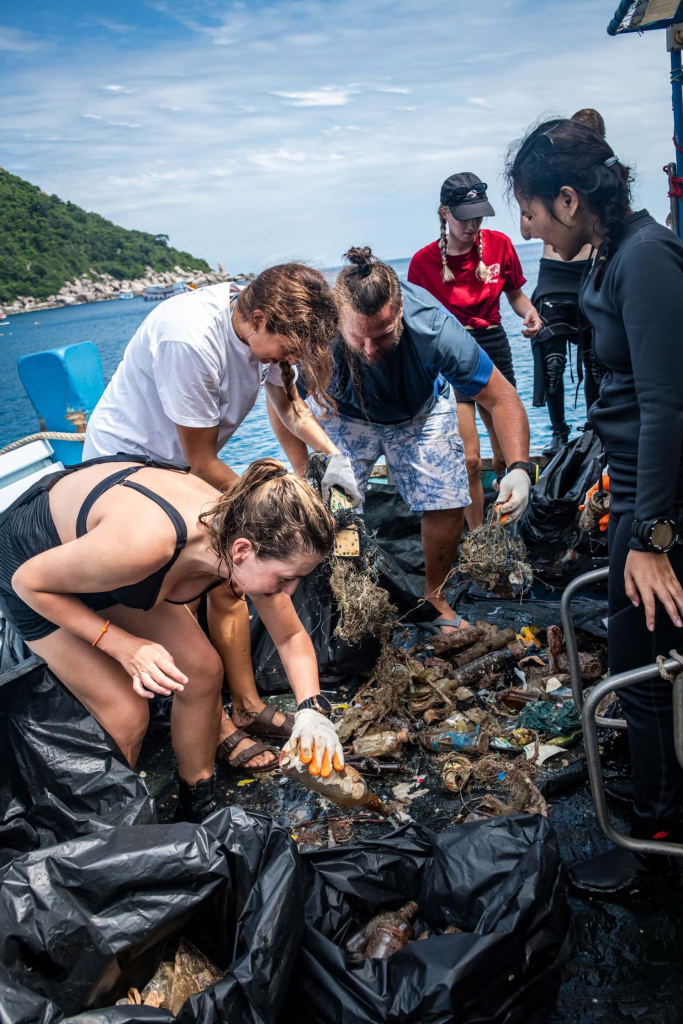
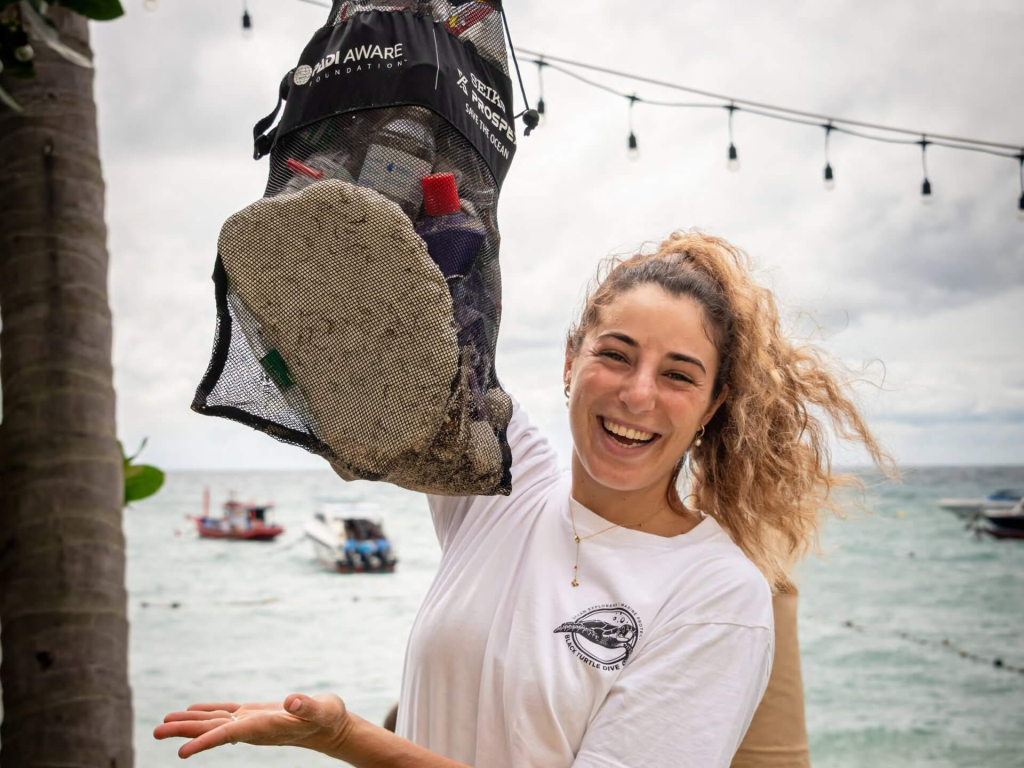
Key Learning Takeaways:

Marine pollution research and monitoring in Koh Tao, recording underwater debris data and assessing human impact on reef ecosystems.
  • Sources & Composition of Marine Debris: Explore the primary origins of coastal pollution around Koh Tao, learning to differentiate between land-based runoff, single-use tourism litter, and maritime waste such as discarded fishing gear.
  • Ecological Impacts on Coastal Habitats: Understand how accumulated debris threatens interconnected marine ecosystems.
  • Wildlife Hazards & Microplastic Pollution: Examine the biological threats posed to marine organisms, including physical entanglement, accidental ingestion by foraging wildlife, and the chemical breakdown of macro-plastics into persistent microplastics.
  • Survey Method: Complete survey methodologies used to systematically sort, weigh, and categorise coastal litter by material composition—transforming a sunset beach walk into data collection.
  • Data Collection & Conservation Impact: Learn how logging debris data allows researchers to track seasonal pollution trends, pinpoint primary waste sources, and advocate for targeted island-wide waste reduction policies.

Who Should Join:

Reef Specialist divers taking part in marine pollution monitoring and underwater debris surveys during conservation training in Koh Tao.
  • Ocean Advocates: Anyone passionate about protecting marine life and supporting localised, data-driven conservation efforts.
  • Citizen Scientists: Travellers and residents looking to contribute to authentic environmental monitoring—no diving or snorkelling experience required.
  • Eco-Conscious Explorers: Families, beginners, and environmentally minded visitors seeking a meaningful, community-focused evening activity that gives back to the island.

Why This Survey Matters

Reef-focused conservation action carried out during Ocean Aware Week as part of community-led marine protection in Koh Tao.

A bag of litter carried off the sand is a good evening's work, but it tells you nothing. Clear a beach without recording what was on it and the debris returns with the next tide, and you are no closer to knowing where it came from or what would stop it. That is the difference a survey makes.

By categorising every item by material composition before it is logged, you turn a stretch of shoreline into evidence – evidence that separates land-based runoff from single-use tourism litter and from maritime waste such as discarded fishing gear, and that holds its meaning long after the waste itself has gone.

There is an immediate benefit too. Debris intercepted on the sand never becomes entanglement, never becomes something a foraging animal swallows, and never breaks down into the persistent microplastics that no clean-up can recover. But the lasting value is in the record.

A consistent, weekly log is what allows seasonal patterns to be separated from one bad week, what shows whether a source is growing or receding, and what gives anyone arguing for island-wide waste reduction on Koh Tao something more durable than an impression.

Your Survey, Step by Step

Before You Join Us

Your evening opens with an introductory briefing. Raising the topic of coastal pollution around Koh Tao and the specific hazards that waste poses to marine organisms – entanglement, ingestion, and the chemical breakdown of macro-plastics into microplastics.

Your Conservation Survey Leader then walks you through the survey method itself: the material categories you will be recording against, how to use the survey slate, and how to work a section of beach systematically rather than selectively, since a survey only holds its value when every item is counted, including the small and unremarkable ones.

Surveys are run at any of a number of bays around Koh Tao rather than at one fixed beach, so no particular location can be promised. The stretch of coastline your evening covers is decided according to conditions and confirmed before you set out.

On the Beach

The guided survey runs for 45 minutes along the shoreline. Working alongside fellow volunteers, you sweep an assigned section of beach with mesh collection bags and gloves, lifting washed-up debris before the tide can draw it back into the water, and recording as you go.

This is the part that distinguishes the evening from a sunset stroll: you are not only removing waste, you are documenting it, building a standardised picture of what this stretch of coast is receiving and in what quantities.

Back at the Dive Centre

Once the survey closes, the collected debris is sorted and weighed, categorised by material composition, and logged against the date and location. The debrief covers what the survey turned up, how the night's composition compares with previous weeks, and what the pattern suggests about the sources feeding waste onto this coastline.

Session Time Activity
Briefing Before departure Awareness briefing and survey methodology
Field survey Evening, around sunset 45-minute guided beach survey—debris collection and pollution recording
Debrief On return Data logging, photo review and discussion

Please note that this schedule is indicative. Exact times will be confirmed before your survey begins.

What Your Data Contributes To

Reef Specialist divers taking part in marine pollution monitoring and underwater debris surveys during conservation training in Koh Tao.
Reef-focused conservation action carried out during Ocean Aware Week as part of community-led marine protection in Koh Tao.

Your evening contributes to a pollution record that works on three levels. It establishes a baseline: weekly, standardised counts and weights, broken down by material, describing what Koh Tao's coastline actually receives rather than what it is assumed to receive.

It pinpoints hotspots – both the stretches of shore that accumulate the most and the sources, land-based or maritime, that keep producing it. And because the record is consistent and quantified, it informs island policy, giving targeted waste-reduction strategies and the case for island-wide change a foundation of measured evidence rather than anecdote.

Because our volunteers committed to both collecting and logging marine debris, we successfully recorded a dataset of 17,264 items over 12 months. This consistent effort directly prevented 318 kg of waste from reaching the ocean.

Price Includes
Free
  • 1 guided beach clean
  • Mesh trash collection bags, survey slate and gloves
BOOK NOW

Timetable

Sunday evening · around sunset

  1. Before departureAwareness briefing and survey method
  2. Around sunset45-minute guided beach clean and debris survey
  3. On returnData logging, photo review and discussion

The exact meeting time is confirmed before the survey.