Master Your Scientific Diving Journey

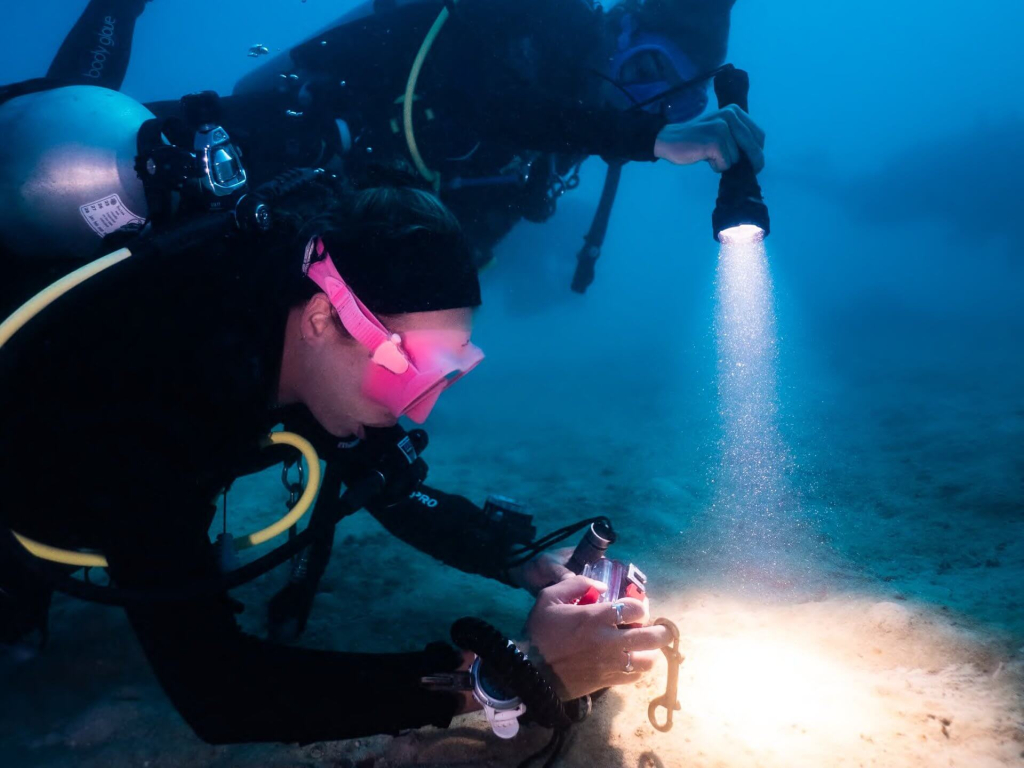
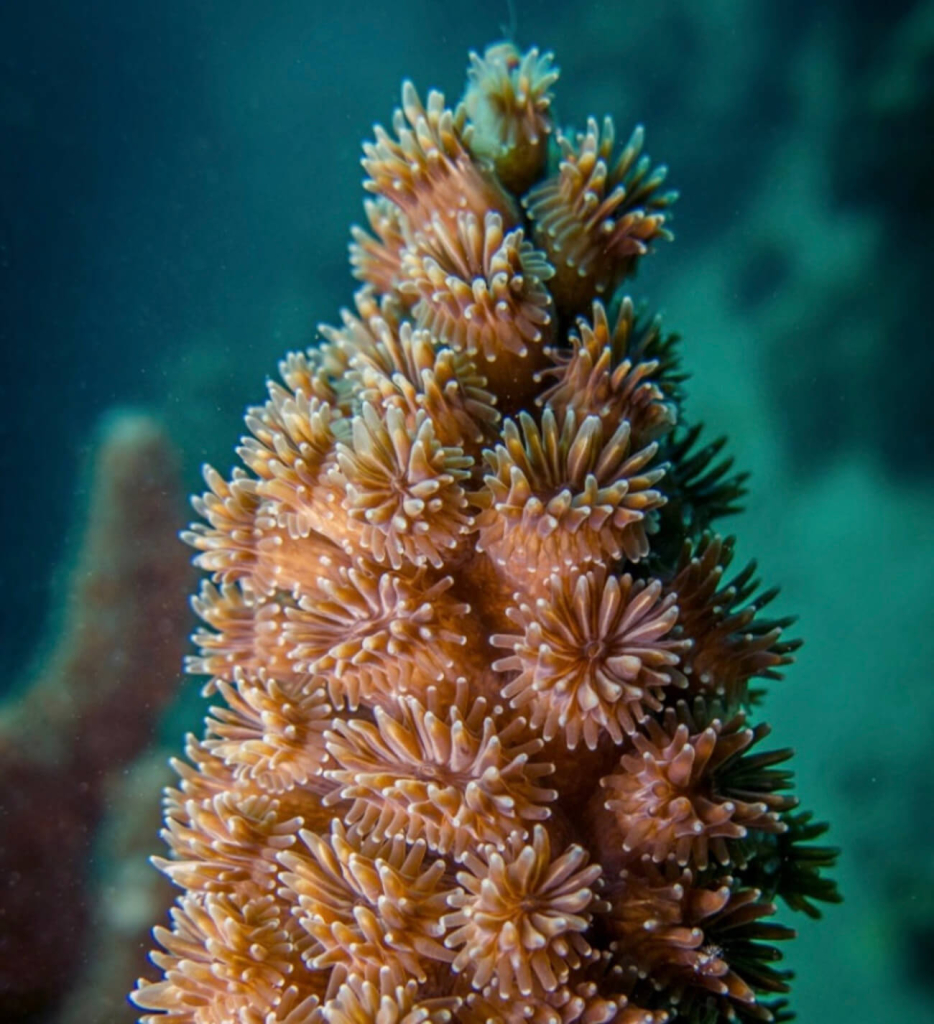
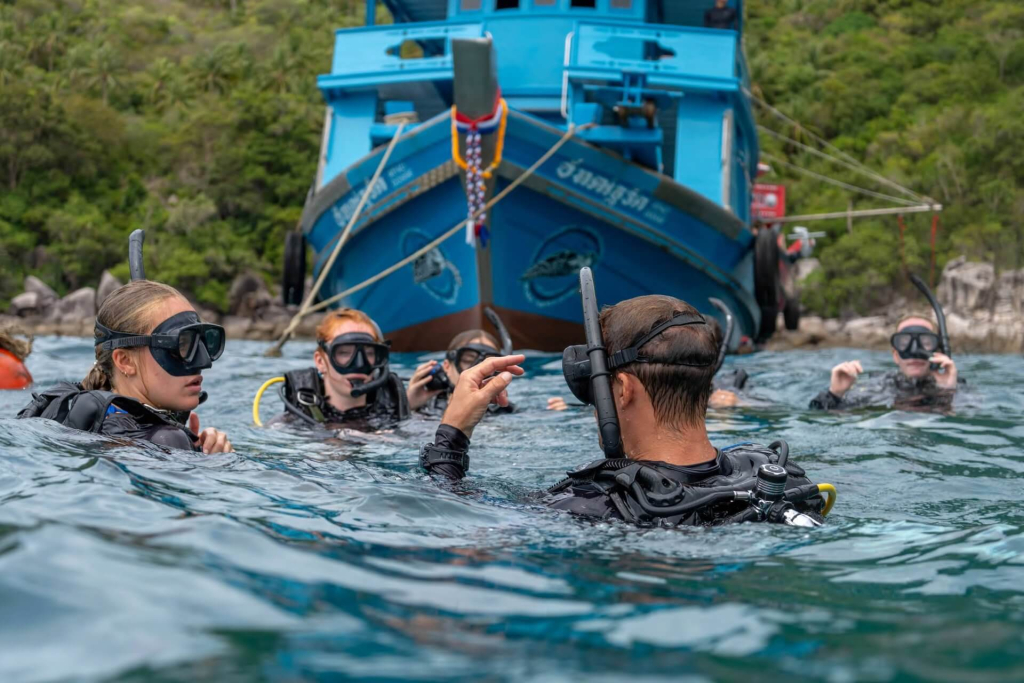
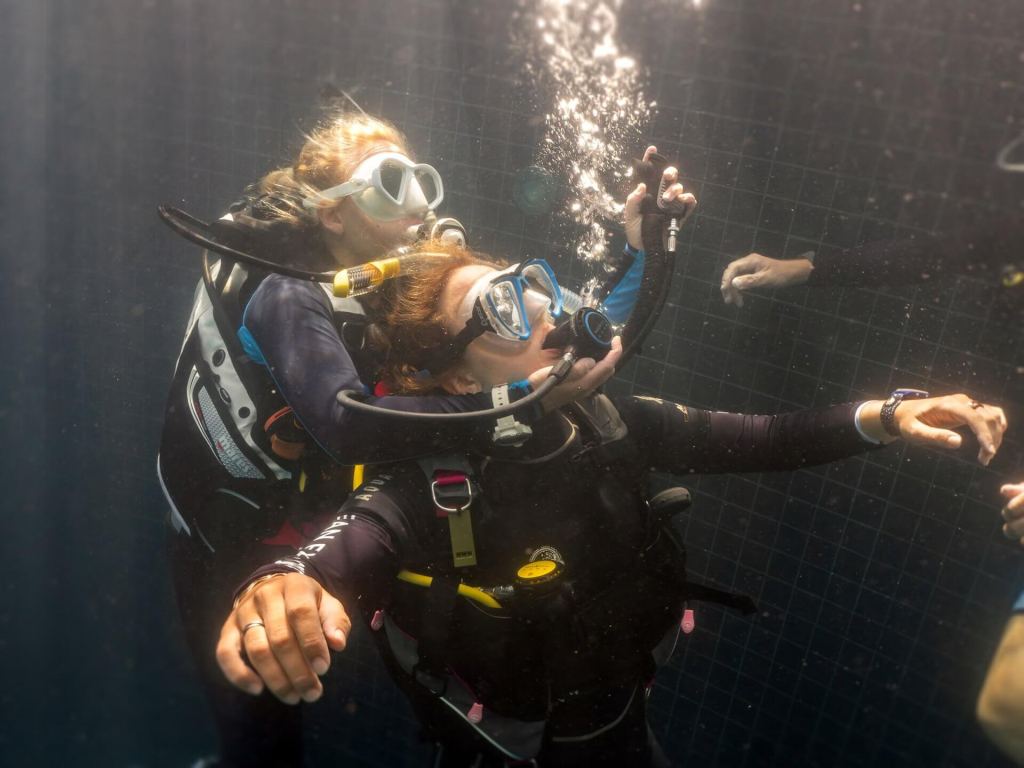
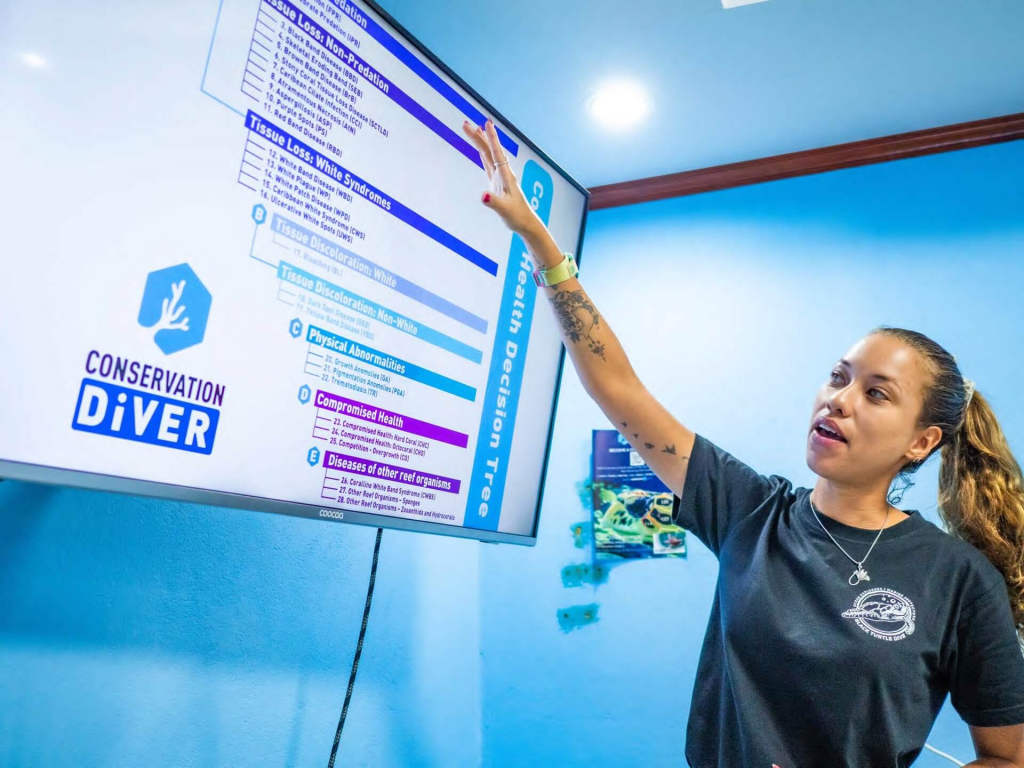
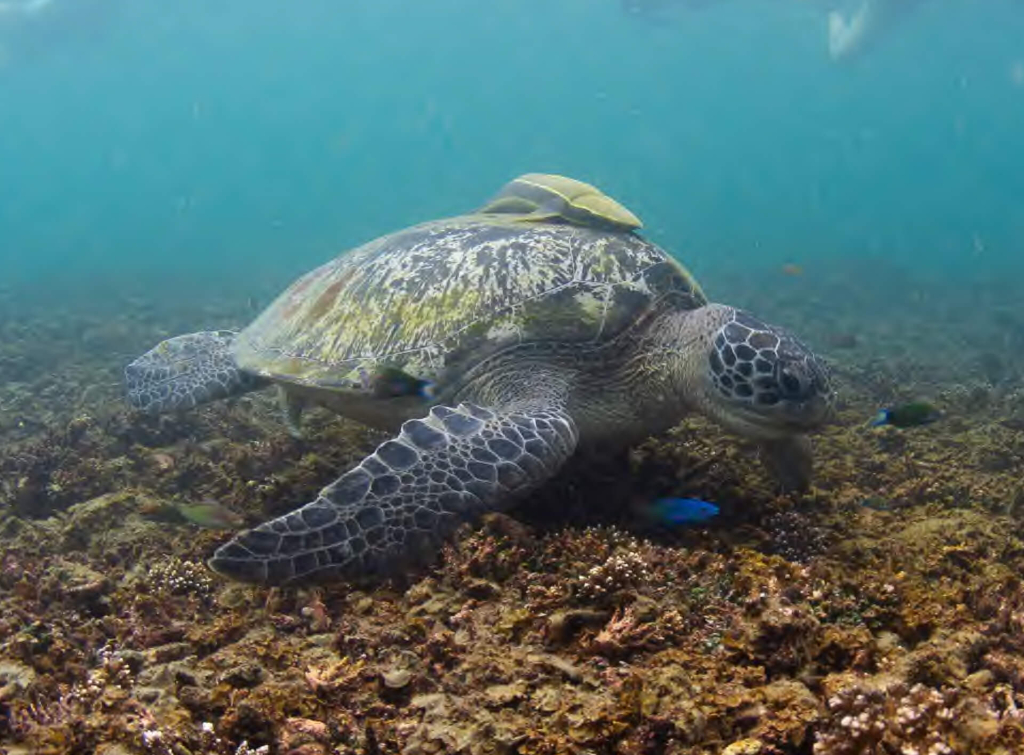
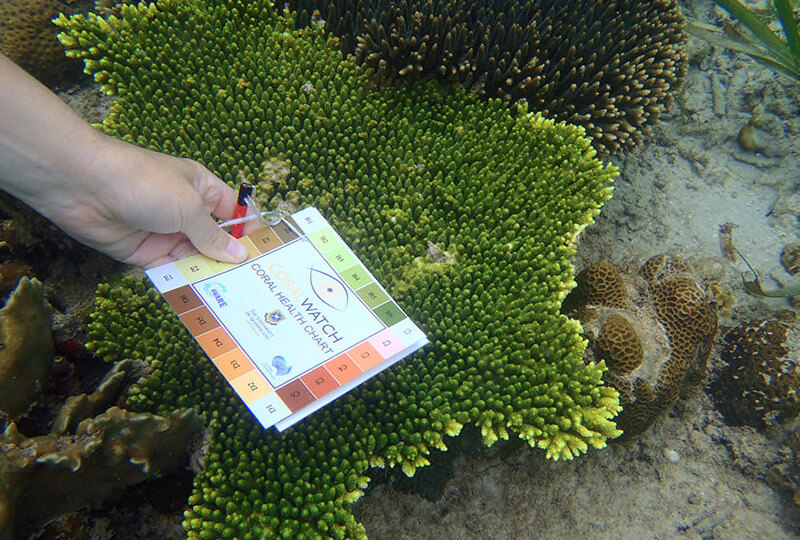
Coral colony showing tissue loss documented during coral disease monitoring dives in the Scientific Diver 8-week program in Koh Tao.
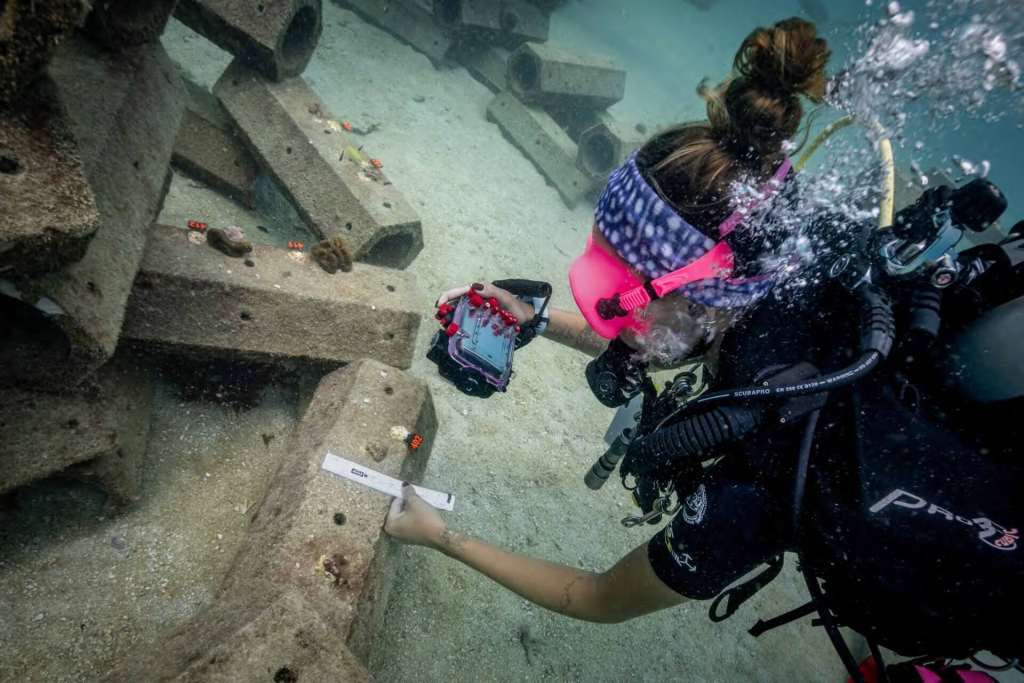
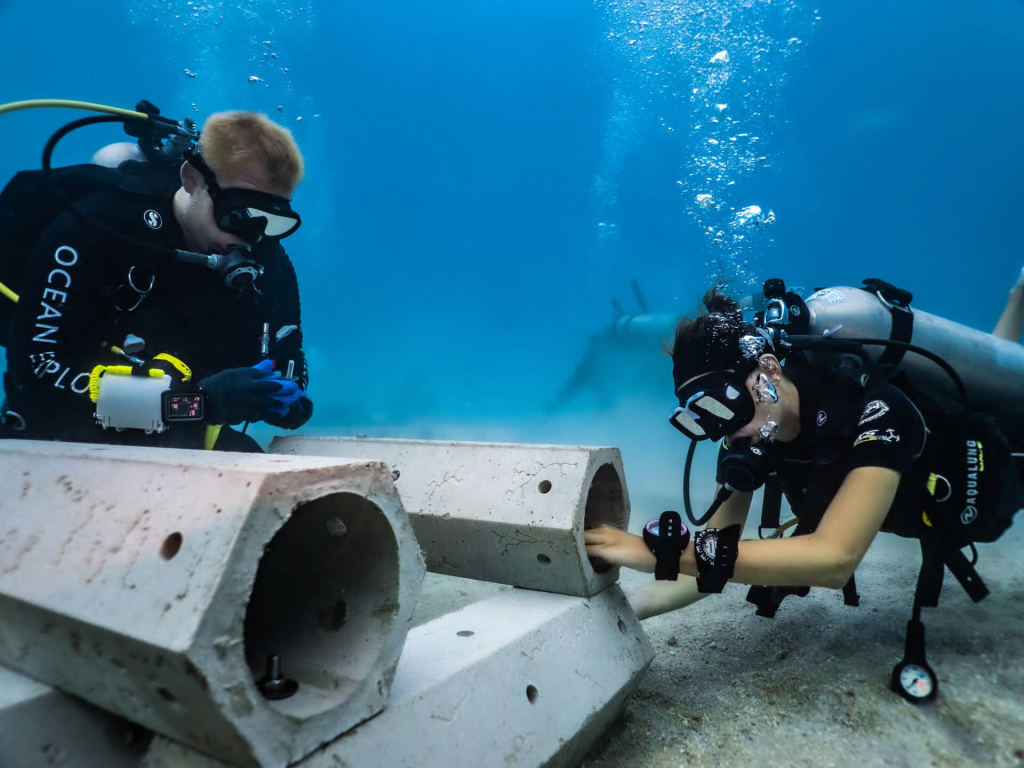
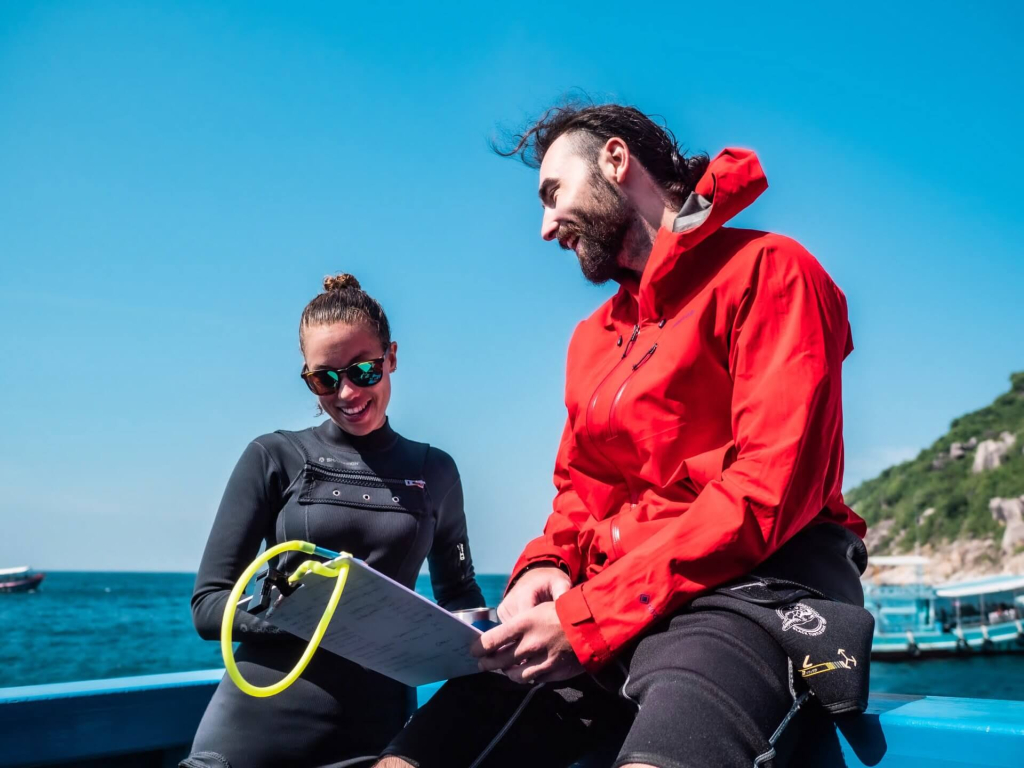
Scientific Diver students recording coral health monitoring data during reef surveys as part of scientific diving training in Koh Tao, Thailand.
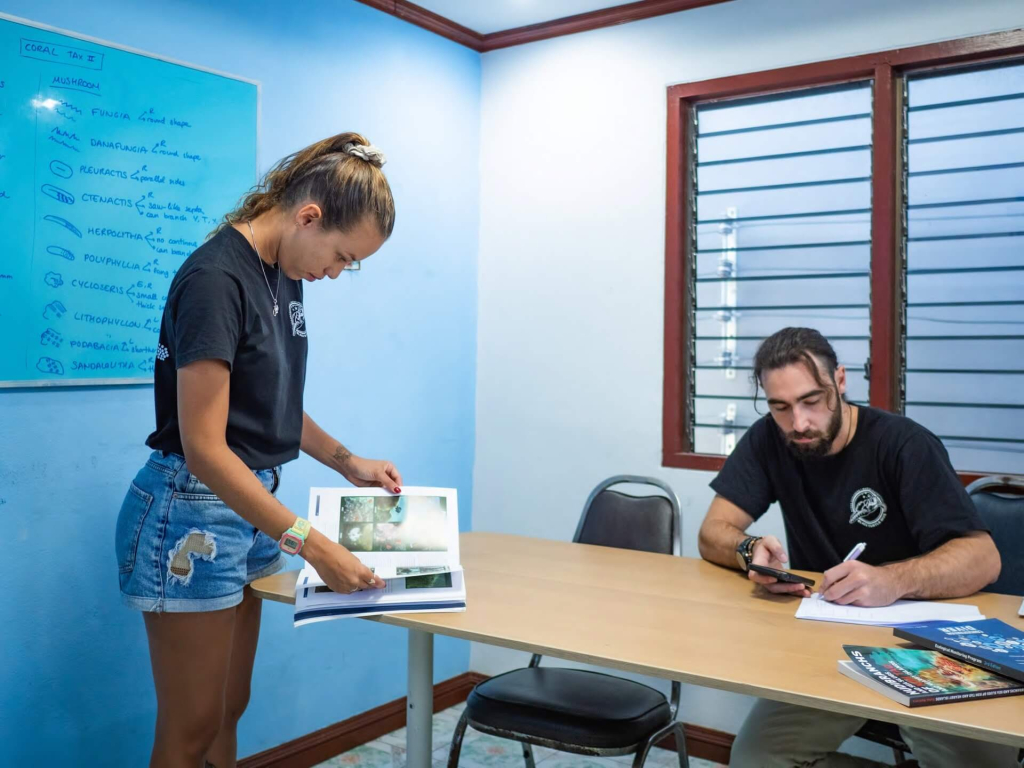
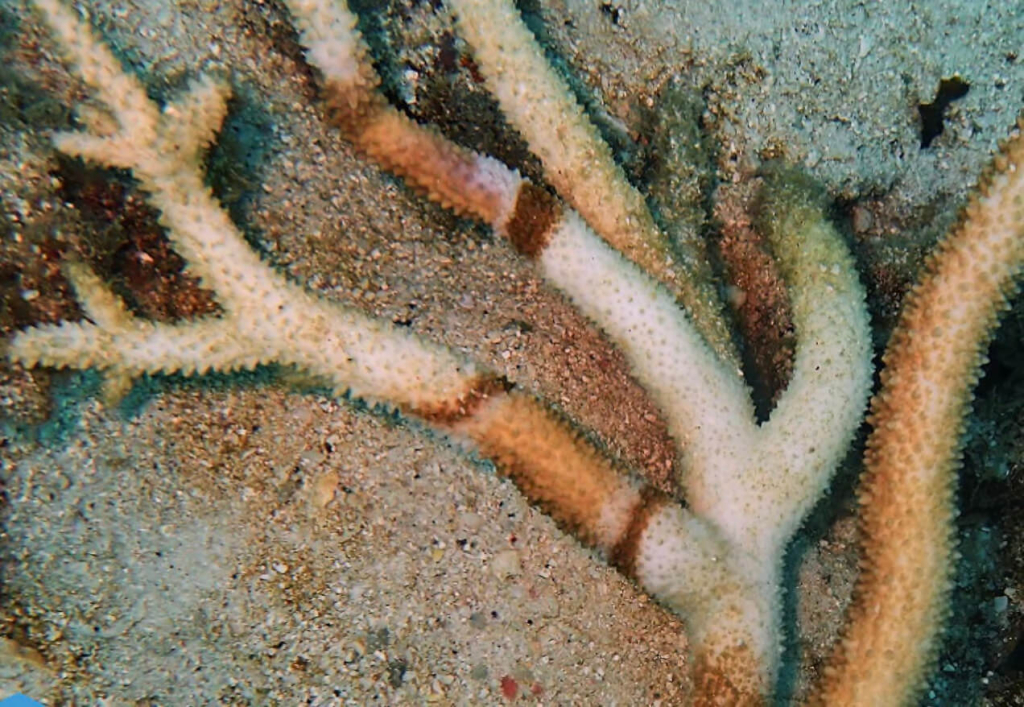
Scientific Diver students learning coral disease identification and compromised coral health indicators as part of an 8-week program in Koh Tao.

The Scientific Diver program is the final step in Black Turtle Conservation’s professional training pathway — a 2-week advanced course designed for those who have successfully completed the Conservation Specialist, Reef Specialist, and Master Conservationist programs.

Perfect for divers with a passion for science and research, this program equips you with professional-level monitoring, image-based data analysis, and coral health assessment techniques, preparing you for roles in marine research, conservation projects, and academic collaborations.

This course is designed for conservation divers who want to move beyond field participation into leading research projects, collecting high-resolution ecological data, analysing scientific imagery, and understanding coral health at diagnostic level.

What you’ll learn
  • Use ImageJ to measure coral growth, substrate cover, and species abundance using photo data
  • Identify and assess coral diseases and compromised health indicators
  • Conduct precise and repeatable advanced EMP surveys
  • Refine underwater survey methodology using quadrats, transects, and imaging techniques
  • Apply scientific diving protocols for research standardisation
  • Finalise and present your Independent Research Project
Ideal if you want to:
  • Work in marine conservation research or academia
  • Develop advanced survey and monitoring techniques
  • Transition into Research Assistant or Scientific Team Leader roles
  • Progress to Conservation Diver Instructor Level
Contact us

WHY THIS COURSE MATTERS

Scientific diving transforms conservation from observation into evidence-based action.

Through this program, you will:
  • Master technical research tools used by marine scientists worldwide
  • Learn to detect early signs of coral disease and ecosystem decline
  • Collect and analyse data used in long-term scientific reporting
  • Finalise your Independent Research Project, ready for presentation or publication
  • Build the research and analytical skills required for professional marine careers

This program represents the highest level of hands-on training before progressing into Research Assistant or Instructor pathways.

price

30,000 THB

DURATION

14 days

classes

3 classes

DIVES

11 training dives

CERTIFICATION

Image J Coral Disease & Compromised Health Advanced Ecological Monitoring Program

LEVEL REQUIRED

Advanced Open Water Conservation Specialist Program Reef Specialist Program Master Conservationist Program
book now

* Not a diver yet? No problem! You can start your journey by learning to dive with us.
Our PADI Open Water and Advanced Open Water courses are the perfect first step before joining our marine conservation programs.

START WITH A DIVING COURSE

Program Structure

The Scientific Diver Program is designed to refine your research capabilities, elevate your analytical skills, and guide you toward professional-level marine science leadership. Across these 14 days, you will apply everything learned from previous levels while mastering advanced scientific diving techniques and finalizing your Independent Research Project.

Below is a detailed breakdown of what your journey will look like:

Scientific Diver
Week 7 Day 43 Day 44 Day 45 Day 46 Day 47 Day 48 Day 49
Morning 07:00
09:00 Image J Study time/e-Learning Coral Disease Lecture Independent project EMP Advanced Survey Techniques Data review
Lunch
Afternoon 12:00 Image J practice Research dive Disease Safari Independent project Advanced EMP Dive Image J practice
14:00 Image J practice Research dive Disease Safari Advanced EMP Dive Image J practice
Evening 17:00 Debrief Debrief Debrief Debrief Research dive
Week 8 Day 50 Day 51 Day 52 Day 53 Day 54 Day 55 Day 56
Morning 07:00 Research dive
09:00 Study time/e-Learning Research dive Independent project Independent project Independent project Independent project Presentation
Lunch
Afternoon 12:00 EMP dives Independent project Independent project Independent project Independent project Exams / Personal Development Session
14:00 EMP dives
Evening 17:00 Debrief

* Please note that the following schedule is indicative and may vary.
* Exact times for each session and dive will be confirmed before the course begins.

Week 7 – Scientific Research Tools & Coral Health Analysis

This week shifts you fully into the role of a scientific diver.
You move from structured surveys into independent data generation, analysis and interpretation, using the same tools and methods used in professional reef science.

Day 43 – Free Time & Project Alignment

After six intensive weeks of fieldwork and science, this day allows you to:

  • Rest and recharge
  • Review previous datasets
  • Refine your Independent Project
  • Meet informally with instructors to align your research focus for the final phase

This is when your project begins to move from idea to scientific output.

Day 44 – ImageJ & Digital Reef Monitoring

Morning – ImageJ for Coral Monitoring

You are introduced to ImageJ, the image-analysis software used by coral scientists worldwide.

You will learn:
  • How coral growth, survival and degradation are measured from images
  • How restoration projects are monitored through time
  • How to quantify coral cover, fragment size and change rates
  • How Black Turtle tracks coral nursery performance

You will work directly with real restoration images from Black Turtle’s nurseries.

Afternoon – ImageJ Application Workshop

Using real coral fragment datasets, you will:

  • Measure coral growth and mortality
  • Compare images across time
  • Validate field observations with quantitative data
  • Link restoration outcomes to environmental conditions
Evening – Project Integration Session
  • Identify how ImageJ supports your Independent Project
  • Decide what images and measurements you will need
  • Design a data pipeline from reef → image → result

Day 45 – Study & Research Days

Morning – E-learning & Study
  • Complete e-learning for coral health and monitoring modules
  • Review scientific concepts that will be used in disease and EMP training
Afternoon – Research Dives

These are flexible scientific dives used to:

  • Practice any survey type learned so far
  • Collect preliminary project data
  • Re-visit coral, predator or restoration sites
  • Train specific methods you want to specialise in

This day is about customising your scientific skillset.

Day 46 – Coral Diseases & Compromised Health

Morning – Coral Health & Disease Science

This is one of the most advanced and specialised modules in the program.

You will learn:
  • Coral diseases vs stress-related tissue loss
  • Bleaching vs necrosis vs predation scars
  • How pathogens spread through reefs
  • What triggers outbreaks
  • Why disease is one of the greatest modern reef threats
  • How to classify coral health states scientifically

This is front-line reef science — evolving, complex and critical.

Afternoon – Disease Survey Dives
Dive 1 – Coral Disease Safari
  • Locate compromised colonies
  • Identify health states
  • Learn visual diagnostic skills
Dive 2 – Student-Designed Disease Survey

Students begin designing their own protocols:

  • Decide what to measure
  • Choose survey layout
  • Record prevalence and severity

This is where you move from following protocols to creating them.

Day 47 – Independent Project Day

  • Data processing
  • ImageJ analysis
  • Literature review
  • Mentor guidance
  • Survey design refinement

Your project now becomes your scientific identity.

Day 48 – Advanced EMP Survey Techniques

Morning – Advanced Monitoring Methods

You move beyond standard line transects.

You will learn:

  • Quadrat sampling
  • Patch-based surveys
  • Photogrammetry-style monitoring
  • When and why different methods are used
  • Strengths and weaknesses of each

This gives you the tools to design real monitoring programs, not just follow them.

Afternoon – Multi-Protocol Field Practice

You will:

  • Test different survey methods
  • Compare outputs
  • Evaluate accuracy, bias and efficiency
  • Decide what works best for your project
  • This is professional-level survey training.

Day 49 – Data Analysis & Night Research Dive

Morning – Data Review & ImageJ
  • Process survey data
  • Apply ImageJ where relevant
  • Identify patterns, errors and trends
Evening – Night Research Dive

A scientific night dive to explore:

  • Nocturnal reef behaviour
  • Predator and scavenger activity
  • Night-time cleaning stations
  • Coral and invertebrate behaviour changes

This adds a 24-hour ecological dimension to your research.

WEEK 8 – Advanced Monitoring, Independent Research & Scientific Synthesis

This final week is where everything comes together.
You are no longer training individual skills — you are learning to operate as a scientific diver: collecting reliable data, analysing it, defending your results, and preparing to step into a research or leadership role.

Day 50 – Recovery & Project Focus

After seven intensive weeks of fieldwork and science, this day is dedicated to:

  • Rest and recovery
  • Reviewing your accumulated data
  • Refining your Independent Project direction
  • Planning your final research push

This pause allows you to reset before the most important phase: turning eight weeks of data into science.

Day 51 – Advanced EMP & Professional-Level Data Collection

Morning – Study & Certification Completion
  • Finalise e-learning modules
  • Review EMP theory, taxonomy and monitoring protocols
  • Ensure all certification requirements are met
Afternoon – 2 Advanced EMP Dives

These dives focus on professional-level monitoring:

  • Fish, invertebrates and substrate recorded with high precision
  • Strong emphasis on accuracy, consistency and reproducibility
  • Data collected is suitable for real conservation databases

You will immediately see how different your surveys look now compared to Week 1 — more structured, more reliable, and more meaningful.

Evening – Reef Interpretation & Debrief
  • Holistic reef assessment
  • Connecting fish, invertebrates, substrate and coral health
  • Learning to read reef condition as an integrated system

Day 52 – Research Dives & Independent Project Data Collection

Morning & Afternoon – Research-Type Dives

These dives are fully dedicated to:

  • Collecting final datasets for your Independent Project
  • Testing your own survey designs
  • Practising any methodology you want to strengthen
  • Supporting Black Turtle’s ongoing research

You are now working like a field scientist, not a course student.

Days 53 to 55 – Independent Project Deep Work

Three full days are dedicated to:

  • Final data collection
  • ImageJ analysis
  • Statistical interpretation
  • Literature comparison
  • Building your scientific argument
  • Preparing your presentation

After eight weeks of fieldwork, this is where everything becomes a coherent research outcome.

You will be mentored by an instructor specialised in your topic to ensure your work meets scientific and conservation standards.

Day 56 – Scientific Presentation, Assessment & Transition

Morning – Independent Project Presentations

You will present:

  • Your research question
  • Methodology
  • Data
  • Analysis
  • Ecological interpretation
  • Conservation relevance

You will defend your work just like in a professional conservation or research environment.

Afternoon – Final Exams, Career Development & Graduation
  • Final scientific diver exam
  • Review of your technical and research skills
  • Career development advice: how to move into Research Assistant, conservation projects or Instructor pathways
  • Certification ceremony

This marks the transition from student to early-career marine conservationist.

What Comes Next

After Scientific Diver, the pathway continues with:

Research Assistant Program

You move from training into active project implementation, contributing to Black Turtle’s monitoring, restoration, predator management and biodiversity research.

From there, the next step is:

Conservation Diver Instructor Level

This is where you start training the next generation of marine conservationist.

Contact us
Price:
30,000 ฿
BOOK NOW
Includes:
  • 3 Conservation Diver Certifications
  • 11 research-focused dives
  • Scientific diving mentorship
  • Full dive equipment & computer
  • Independent Project supervision
  • Small-group learning
  • Dive insurance, refreshments, log book
Prerequisites:
  • Advanced Open Water Diver (or equivalent)
  • Conservation Specialist Program
  • Reef Specialist Program
  • Master Conservationist Program

Testimonials

Posted on Google Google
Jess Richmond profile picture
Jess Richmond
1 days ago
Google star 1Google star 2Google star 3Google star 4Google star 5Trustindex verifies that the original source of the review is Google.
+3
An absolutely amazing experience! I honestly couldn't recommend Black Turtle enough! We completed both our Open Water and Advanced Open Water courses in just 5 days, and had the most incredible time. The whole experience was so professional, friendly and fun. We learnt so much in such a short space of time, whilst always feeling completely safe. A massive thank you to our instructors, Thessa and Ned, who were absolutely brilliant! They made the whole experience so enjoyable and were incredibly knowledgeable, patient and encouraging throughout. There were just two of us learning, so we also got such a personal experience and plenty of individual attention. One of the things that really stood out to us was how much Black Turtle has invested in their own facilities/equipment. It made the whole experience feel so organised and seamless. We couldn't have asked for a better introduction to diving or a better experience completing our Advanced course. So many laughs, so much learnt and memories we'll take away with us. Genuinely the best time, and we wouldn't hesitate to recommend Black Turtle to anyone wanting to learn to dive! Thank you Black Turtle!🤙🏼🫧🐠🤿🧜🏼‍♀️🩵
Posted on Google Google
Mary X profile picture
Mary X
1 days ago
Google star 1Google star 2Google star 3Google star 4Google star 5Trustindex verifies that the original source of the review is Google.
+2
I had the best experience with Black Turtle Dive completing both my Open Water and Advanced Open Water courses. Thessa and Ned were both absolutely brilliant instructors – professional, knowledgeable and, most importantly, made us feel safe and confident throughout. Everything was explained clearly, the training was well organised and efficient, and they were always patient and encouraging, making sure we felt comfortable and supported in the water. I couldn’t have asked for better instructors or a better experience. Thank you both for making the whole experience so enjoyable. I would 100% recommend Black Turtle Dive to anyone looking to learn to dive! 🤿💙
Posted on Google Google
Yashna Bansal profile picture
Yashna Bansal
1 days ago
Google star 1Google star 2Google star 3Google star 4Google star 5Trustindex verifies that the original source of the review is Google.
I got my open water diving certification and loved the entire process. North and Hailey were great instructors and helped explain everything so clearly and made my first ocean dives an unforgettable experience. I can’t wait to come back and dive with them again!
Posted on Google Google
Danielle Venter profile picture
Danielle Venter
1 days ago
Google star 1Google star 2Google star 3Google star 4Google star 5Trustindex verifies that the original source of the review is Google.
+0
Great dive shop! Had a wonderful experience. Our dive master, Mary, was the best! Big boat, friendly helpful staff, would recommend when in Koh Tao.
Posted on Google Google
Juan Viljoen profile picture
Juan Viljoen
1 days ago
Google star 1Google star 2Google star 3Google star 4Google star 5Trustindex verifies that the original source of the review is Google.
Mary was awesome, very patient and friendly. Really glad we had the chance to explore scuba more with her. Would recommend Black Turtle Diving for anyone.
Posted on Google Google
Sara Lasi profile picture
Sara Lasi
1 days ago
Google star 1Google star 2Google star 3Google star 4Google star 5Trustindex verifies that the original source of the review is Google.
+3
Thank you, Maria, Martin and Black Turtle! Finished open water a couple of days ago and cannot say enough good things. I loved both my instructors as they were very patient, knowledgeable and very encouraging. I appreciate the ratio of instructors to students (basically 1:1) and all the gear provided was great. We dove at Mango bay and Japanese gardens and the reefs were beautiful! I especially appreciate that all diving instructors made an effort to pick up plastic waste we would see in the water. I will definitely go back sometime soon to get my advanced certification! Thank you!!!!!
Posted on Google Google
Paulina Robles profile picture
Paulina Robles
1 days ago
Google star 1Google star 2Google star 3Google star 4Google star 5Trustindex verifies that the original source of the review is Google.
North and Haylee are great instructors! I got my PADI certification for open water diving and the entire process was so smooth. I’ve
Posted on Google Google
Dávid Dubravský profile picture
Dávid Dubravský
1 days ago
Google star 1Google star 2Google star 3Google star 4Google star 5Trustindex verifies that the original source of the review is Google.
Was a lot of fun to dive with North I really enjoy it and he is really a good instructor 🫰🏼
Posted on Google Google
Bailey profile picture
Bailey
1 days ago
Google star 1Google star 2Google star 3Google star 4Google star 5Trustindex verifies that the original source of the review is Google.
Just finished my open water with Black turtle and can’t express how amazing it was a great group of three people so it didn’t feel like I was just a number in a large group, we had an amazing instructor (Chris) and he was assisted by (Peter) I liked it so much I decided to carry on with Chris for my advanced and then my DM training 🤿🤿 couldn’t recommend enough!!!!!!!!!!!
Posted on Google Google
Callie Shumway profile picture
Callie Shumway
1 days ago
Google star 1Google star 2Google star 3Google star 4Google star 5Trustindex verifies that the original source of the review is Google.
+2
Chris and Peter were amazing instructors! Chris did an amazing job at training us thoroughly and making sure we were comfortable in the water. Couldn't recommend this company more.
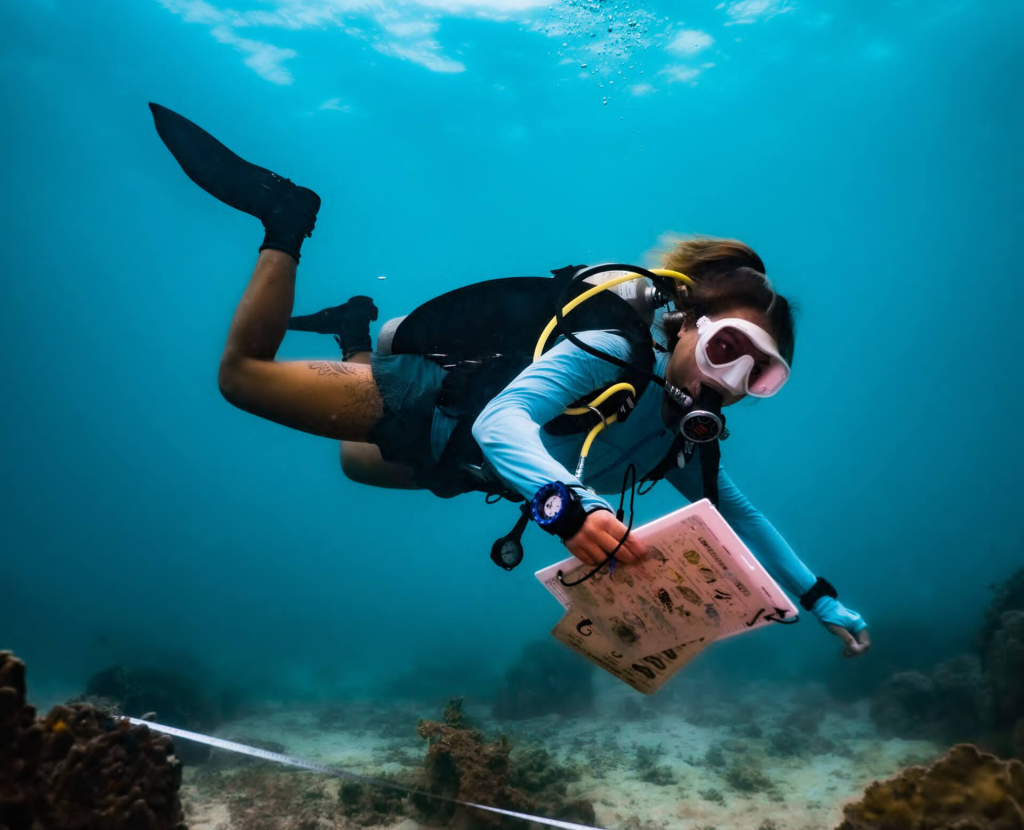
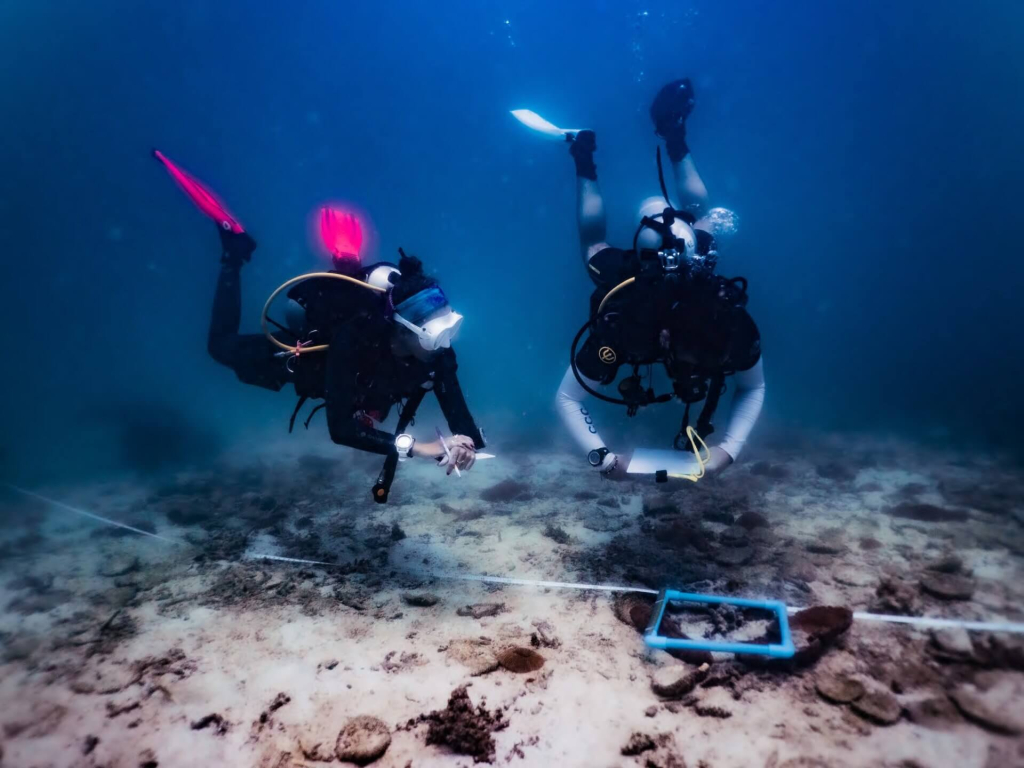
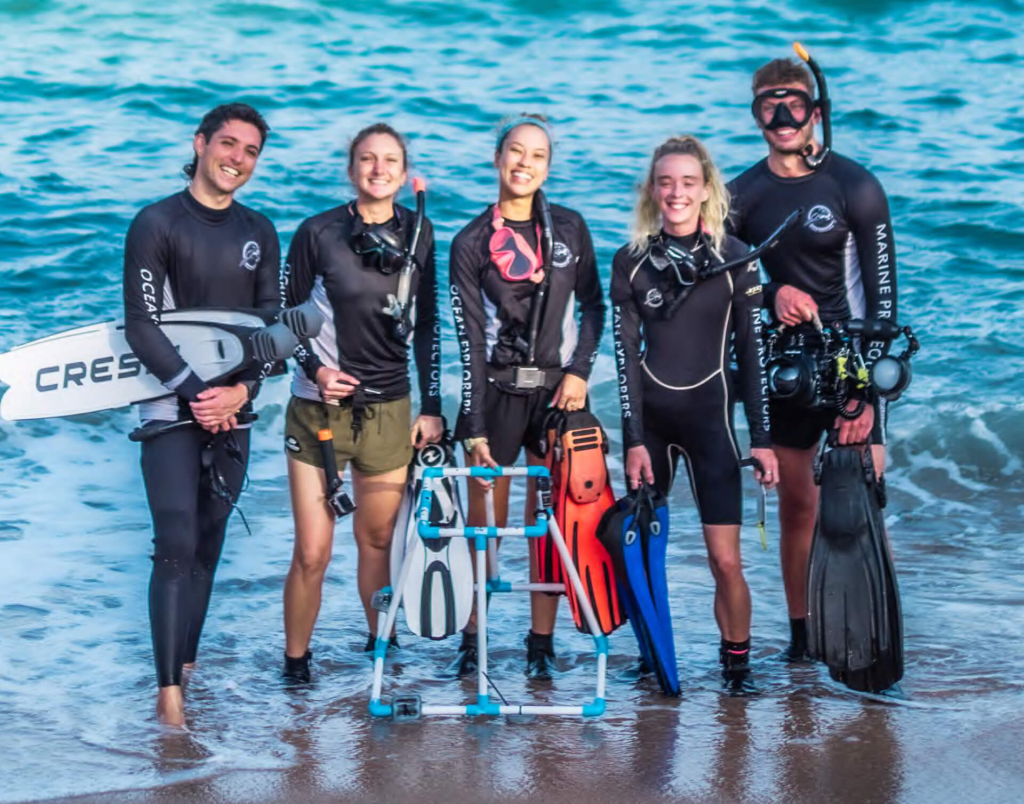
Scientific Diver trainees practicing Advanced Ecological Monitoring Program (EMP) survey methods during scientific diving training in Koh Tao, Thailand.

Keep Learning

After completing the Scientific Diver Program, you can continue your professional development through the following pathways:

From 2 Weeks – Research Assistant
Assist in ongoing research projects led by our conservation team.

Conservation Diver Instructor Level
Teach conservation programs and lead research initiatives.

Optional Advanced Development
Specialised internships, further research collaborations, or marine science academic projects.

Your journey doesn’t end here — this is where it truly begins.

ECOLOGICAL MONITORING PROGRAM

Prerequisites: AOW

The Ecological Monitoring Program (EMP) introduces reef survey methods and scientific diving techniques. You’ll learn to assess fish, invertebrates, substrate, and coral health, and report your findings to an international database.

Coral Taxonomy & Identification

Prerequisites: AOW + EMP

Learn to identify coral species based on skeletal and anatomical characteristics, both on land and underwater.

This course builds essential skills for research, restoration, and monitoring projects.

NUDIBRANCH & SEA SLUG ECOLOGY

Prerequisites: AOW + EMP

Dive into the world of nudibranchs and sea slugs, key indicators of reef biodiversity and water quality. You’ll explore their taxonomy and ecology while participating in an ongoing research project at Black Turtle Conservation.

CORAL RESTORATION THEORY & TECHNIQUES

Prerequisites: AOW + EMP

Explore the science behind coral restoration.

You'll learn about restoration strategies, site selection, coral health assessment, and attachment methods.

ARTIFICIAL REEF THEORY & TECHNIQUES

Prerequisites: AOW + EMP + Coral Restoration

Artificial reefs help restore damaged habitats and provide alternative dive sites. You’ll explore the science behind their design and even create your own reef project as a classroom exercise.

CORAL PREDATORS: POPULATION MANAGEMENT & MONITORING

Prerequisites: AOW + EMP

Identify and monitor coral predators such as crown-of-thorns starfish and Drupella snails, and understand their impact on reef health.

This course teaches practical techniques for population control and long-term reef protection.

ADVANCED CORAL TAXONOMY

Prerequisites: AOW + EMP + Coral Taxonomy

Expand your coral identification skills by learning to recognize more challenging and rare genera.

This course deepens your knowledge of skeletal and anatomical traits, strengthening your abilities for advanced research and monitoring.

CORAL DISEASES & COMPROMISED HEALTH

Prerequisites: AOW + EMP + Coral Taxonomy

Discover how to identify and record common coral diseases and signs of stress in reef ecosystems.

This course equips you with the skills to assess reef health and contribute valuable data to monitoring efforts.

ADVANCED EMP

Prerequisites: AOW + EMP + Coral Taxonomy + Coral Disease + 3 Monitoring Courses

Gain experience using additional monitoring techniques, including quadrants, transects, and advanced survey methods. This course enhances your ability to collect accurate data and analyze long-term changes in reef ecosystems.

SEA TURTLE ECOLOGY & MONITORING

Learn about the ecology, behavior and threats facing sea turtles, all of which are endangered. Develop skills in turtle ID and data collection, allowing you to contribute to real conservation initiatives by recording sightings to support ongoing monitoring efforts in Koh Tao and internationally.

SHARK ECOLOGY & POPULATION STUDIES

Sharks play a crucial role as apex predators, yet many species are now critically endangered. Explore their evolution, anatomy, and ecological role. Learn population monitoring techniques and how to contribute to local and global shark databases to aid conservation efforts.

CORAL WATCH SPECIALITY

Learn how to assess coral health and contribute to a global monitoring effort using a powerful method developed by CoralWatch and supported by PADI AWARE. Gain insight into coral biology, bleaching, and climate change, while participating in real reef surveys.

PLASTIC POLLUTION: MONITORING & ASSESSMENT

Learn about the scale and impact of plastic pollution in the ocean. Gain hands-on experience monitoring microplastics and help protect reef ecosystems by removing macroplastics.

3 DAY PADI OPEN WATER DIVER

PADI ADVANCED OPEN WATER DIVER

PADI RESCUE DIVER + EMERGENCY FIRST RESPONSE (EFR)

Contact us

Grow Your Skills with Our Conservation Programs

All our marine conservation programs begin with the Ecological Monitoring Program (EMP), providing a solid foundation in scientific diving and hands-on conservation.

From there, you can continue learning through our carefully designed programs, which follow a progression we’ve developed to maximize learning and practical experience. Each course builds on the last, helping you
develop your skills step by step while contributing to meaningful conservation projects.

Whether your goal is to specialize in coral restoration, turtle research, or broader reef monitoring, our programs guide you along a clear path, so you can grow as a marine conservationist while enjoying every step of the journey.

CONSERVATION SPECIALIST

  • EMP
  • Coral Taxonomy
  • Sea turtles
  • BTD Sea slugs

REEF SPECIALIST

  • Coral Restoration
  • Artificial Reefs
  • Coral Taxonomy III
  • BTC Marine Pollution

MASTER CONSERVATIONIST

  • Giant Clams
  • BTD Cleaning Stations
  • BTD Coral Predators
  • Sharks

SCIENTIFIC DIVER

  • Image J
  • Coral Disease
  • Advanced EMP

Learning Pathway

← Scroll horizontally to see full pathway →

courses

ANY LEVEL

Open to Divers & Non-Divers
  • Sea Turtle Ecology & Monitoring
  • Coral Watch Speciality
  • Shark Ecology & Population Studies
  • Plastic Pollution: Monitoring & Assessment

ADVANCED DIVERS

AOW Required
Ecological Monitoring Program (EMP)
  • Coral Taxonomy & Identification
    • Advanced Coral Taxonomy
    • Coral Disease Monitoring
  • Nudibranch & Sea Slug Ecology
  • Coral Restoration Theory & Techniques
    • Artificial Reefs Theory
  • Coral Predators Monitoring & Mgmt
Advanced
EMP

programs

ANY LEVEL

Open to Divers & Non-Divers
3 days

CITIZEN SCIENCE

  • Coral Watch Speciality
  • Citizen Science Initiatives
  • Marine Ecology

This infographic shows the progression of the different marine conservation courses and programs we offer at Black Turtle Conservation.

Developed in collaboration with Conservation Diver, PADI AWARE, and our own in-house certifications, these courses and programs provide hands-on opportunities to learn, dive, and actively contribute to real conservation and research efforts.

ADVANCED DIVERS

AOW Required
1 week

CORE CONSERVATIONIST

  • EMP
  • Coral Taxonomy I
2 weeks

CONSERVATION SPECIALIST

  • EMP
  • Coral Taxonomy I & II
  • Sea Turtles
  • BTD Sea Slugs
+ 2 weeks

REEF SPECIALIST

  • Coral Restoration
  • Artificial Reefs
  • Coral Taxonomy III
  • BTD Marine Pollution
+ 2 weeks

MASTER CONSERVATIONIST

  • Giant Clams
  • BTD Cleaning Stations
  • BTD Coral Predators
  • Sharks
+ 2 weeks

SCIENTIFIC DIVER

  • Image J
  • Coral Disease
  • Advanced EMP

pro

PROFESSIONAL LEVEL

Dive Master Required

RESEARCH
ASSISTANT

INSTRUCTOR
DEVELOPMENT
COURSE (IDC)

EMP
INSTRUCTOR

EMP

SPECIALITY
INSTRUCTOR

EMP + ≥5 courses

MASTER
INSTRUCTOR

EMP + ≥10 courses

INSTRUCTOR
TRAINER

← Scroll horizontally to see full pathway →
Contact us

FREQUENTLY ASKED QUESTIONS

Who can join the Scientific Diver program?

The Scientific Diver program is open to participants who have completed the Conservation Specialist, Reef Specialist, and Master Conservationist programs. This ensures you arrive with solid theoretical knowledge, proven conservation diving experience, and an active Independent Project ready to be finalized with advanced scientific techniques.

Why is this course only available after the Master Conservationist program?

This is an advanced-level program designed for participants with strong conservation foundations and prior research experience. You’ll work with complex survey methods, use data analysis software such as ImageJ, and apply advanced ecological monitoring techniques, which require knowledge gained in previous program levels.
What qualifications will I receive at the end of the Scientific Diver program?

Upon completion, you will earn three Conservation Diver certifications (ImageJ for Marine Research, Coral Diseases & Compromised Health, and Advanced EMP Diver) and the Black Turtle Dive Scientific Diver certificate of completion. These credentials demonstrate your ability to conduct professional-level marine research and scientific diving.

What is the primary focus of the Scientific Diver program?

This program focuses on advanced scientific diving techniques, coral disease assessment, ecological monitoring, data analysis, and the completion of your Independent Project. You will refine your research methodologies, conduct professional-level surveys, and finalise your project into a presentation suitable for use in academic or conservation contexts.
How does this program support my future career in marine conservation?

The Scientific Diver program prepares you for professional roles in research, education, conservation project management, and scientific diving. You will graduate with hands-on experience, advanced survey methodologies, data analysis training, and a completed research project—strong assets for university projects, internships, or conservation employment.
Can I combine this course with other marine conservation programs?

Yes. You can book the Scientific Diver program individually or as part of the 8-week full conservation pathway. When booking the full pathway (Conservation Specialist + Reef Specialist + Master Conservationist + Scientific Diver) at the time of reservation, you receive the discounted rate of 115,000 THB instead of 123,000 THB.

What can I do after finishing the Scientific Diver program?

After completing the Scientific Diver course, the next step in your training path is the Research Assistant program, where you begin supporting active conservation and research projects. If you wish to become an educator, you can also progress to the Conservation Diver Instructor level, training future marine conservationists.

Do I need to be a certified diver to participate?

Yes. As this program involves scientific diving techniques, a minimum of Advanced Open Water Diver certification is required. Divers must also be confident underwater, demonstrate solid buoyancy, and be comfortable performing research tasks at depth. If needed, additional dive training can be completed at Black Turtle Dive before starting the program.

What is the average group size and teaching approach?

We maintain small groups of maximum four students per instructor to guarantee personalised training, safe diving practices, and consistent mentoring across your scientific project. Learning combines classroom lectures, field-based methods, software analysis, dives, and structured debriefs.

Why complete my Scientific Diver training with Black Turtle Dive?

Black Turtle Dive is one of the leading marine conservation and scientific diving centres in Thailand, working with professional conservation instructors and actively involved in research on coral ecology, artificial reef development, predator monitoring, and species-based studies. You’ll train with experts, work on real conservation projects, and gain directly applicable scientific skills in the field.

Still have questions?

contact us